
























What Shoes Did Vikings Wear? A Guide to Viking Boots, Medieval Footwear, and Renaissance Style
Were Viking boots tall and heavily decorated, or were they simpler than the footwear commonly seen in modern movies and television?
The historical reality is fascinating.
Viking Age footwear was generally more practical and understated than many modern fantasy-inspired designs. People relied on shoes made from available materials, with construction methods suited to daily life, travel, farming, and other activities.
Today, Viking-style boots and medieval footwear have become popular among historical reenactors, Renaissance fair visitors, cosplay enthusiasts, and people interested in distinctive alternative fashion.
This guide explores the history of Viking footwear, common medieval shoe styles, and how to choose the right boots for a modern Viking-inspired outfit.
1. What Shoes Did Vikings Actually Wear?
During the Viking Age, usually dated from approximately the late eighth century to the eleventh century, Scandinavian communities needed footwear suited to daily activities and local environments.
Leather was an important material used in shoe construction.
Archaeological evidence from Viking Age settlements shows that people wore different leather shoe styles, including relatively simple low-cut footwear and ankle-high designs.
Many shoes were produced using forms of turnshoe construction.
In this technique, the upper and sole could be sewn together while the shoe was inside out, then turned so the seams were positioned differently in the finished footwear.
This approach helped create flexible shoes suited to everyday use.
Compared with many modern boots, historical Viking footwear often had thinner soles and less structured support.
However, there was no single universal Viking shoe design.
Styles differed according to location, period, available materials, and personal circumstances.
2. What Materials Were Used in Viking Shoes?
Leather was a common material because it could be shaped, stitched, repaired, and adapted for different footwear designs.
Several construction elements were important.
Leather Uppers
Leather uppers helped provide coverage and protection.
Different leather types and tanning methods could influence flexibility, durability, and water resistance.
Leather Soles
Historical shoes often used leather soles.
These were practical for everyday use but offered a different level of cushioning and traction from modern rubber outsoles.
Stitching
Stitching was an important part of shoe construction.
Archaeological finds provide evidence of various sewing methods used to join footwear components.
Fastening Systems
Depending on the design, shoes could use straps, ties, or other simple fastening methods.
The goal was to keep footwear secure while allowing comfortable movement.
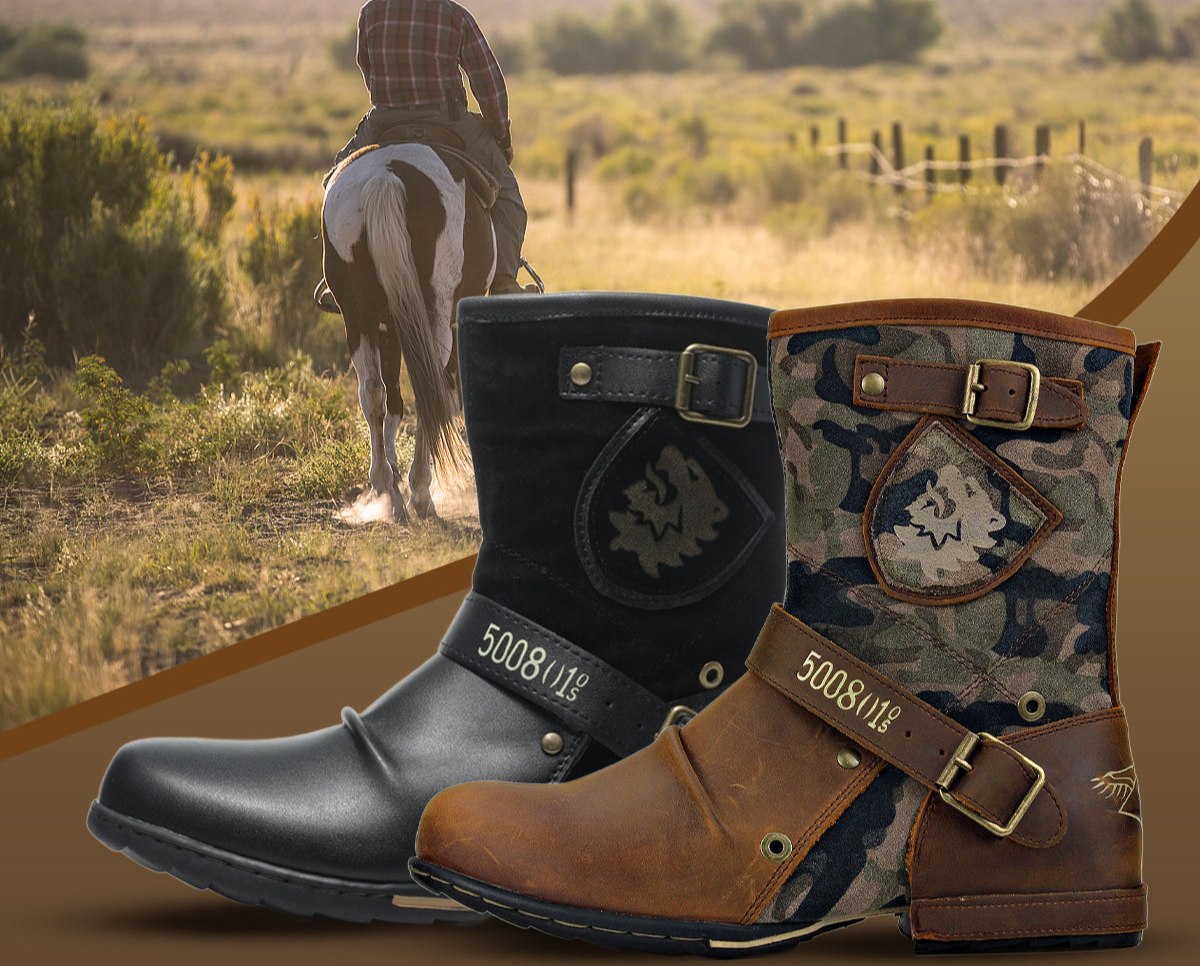
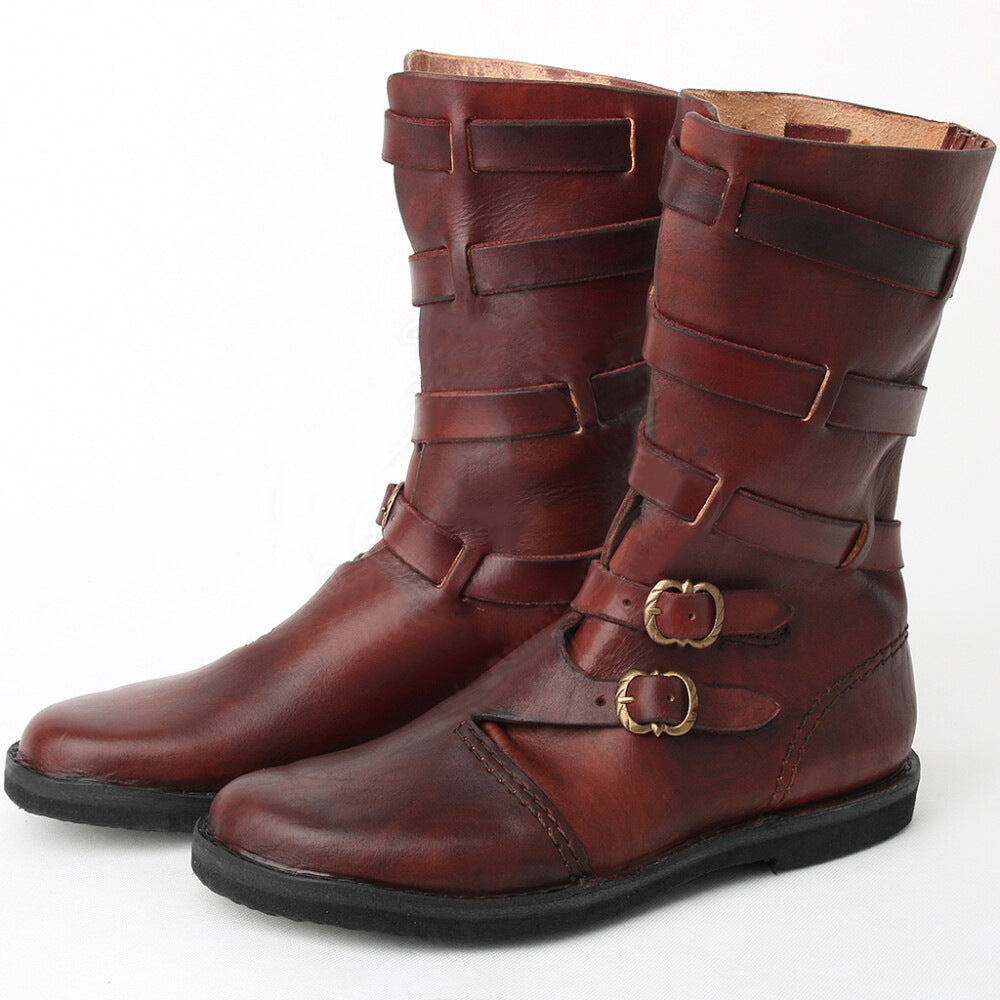
Modern costume boots may incorporate buckles, decorative straps, or zippers for convenience and visual impact.
These features should not automatically be interpreted as historically accurate Viking Age details.
3. Did Vikings Wear Tall Leather Boots?
Some historical footwear offered ankle coverage, but the dramatic knee-high boots commonly shown in fantasy productions should not be treated as the standard Viking style.
Popular images of Viking warriors often blend details from multiple historical periods with modern costume design.
Tall leather boots, metal decorations, and elaborate buckles can look impressive, but they may reflect contemporary interpretations rather than documented Viking Age footwear.
For historical reenactment, accuracy is usually more important than dramatic styling.
For cosplay, themed festivals, and fantasy costumes, visual expression may be the main priority.
Understanding this difference makes shopping easier.
4. Viking Footwear vs. Medieval Footwear
The term medieval footwear covers a broad historical period and many different regions.
Although the Viking Age overlaps with the early medieval period, medieval European footwear continued changing over subsequent centuries.
Viking Age Footwear
Common characteristics included practical leather construction, relatively flexible designs, and simple fastening methods.
Styles varied by region and archaeological context.
Later Medieval Footwear
Footwear during later medieval centuries could feature more specialized shapes, decorative elements, and distinct silhouettes.
Some styles reflected social position, local fashion, and changing manufacturing techniques.
Renaissance Footwear
Renaissance-era footwear developed alongside changing European clothing styles.
Certain designs featured broader toe shapes, decorative details, and more elaborate construction.
Because these periods had different fashions, Viking, medieval, and Renaissance shoes should not be treated as historically interchangeable.
However, modern costume collections often group them together for easier shopping.
5. How to Choose Viking Boots for a Renaissance Fair
Renaissance fairs, medieval festivals, and fantasy conventions are popular opportunities to wear historical-inspired outfits.
Choosing footwear involves balancing appearance, comfort, and practical use.
Consider Your Character
A rugged Viking warrior costume may call for simple, dark-colored leather-inspired boots.
A fantasy adventurer could look more appropriate in boots with decorative straps or a weathered finish.
For a noble or ceremonial character, more elaborate footwear may suit the overall costume.
The most important goal is visual consistency.
Think About Walking Distance
Many festivals involve hours of standing and walking.
Comfortable footwear is essential, particularly on grass, gravel, or uneven ground.
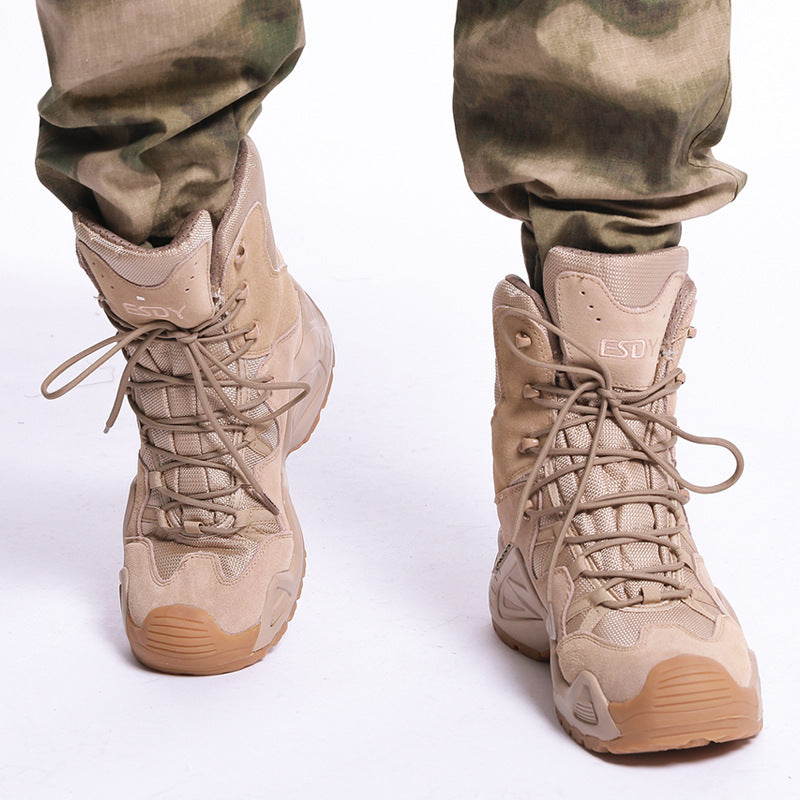
If you'll be walking for an entire day, consider cushioning, secure fastening, and outsole traction.
Modern costume footwear may provide more underfoot cushioning than historically accurate replicas.
Choose an Appropriate Boot Height
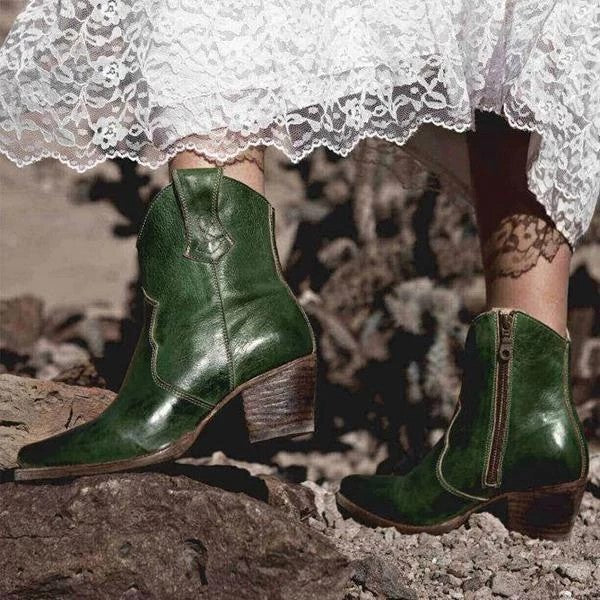
Ankle boots can be versatile and comfortable for casual festival outfits.
Mid-calf boots may create a more dramatic silhouette.
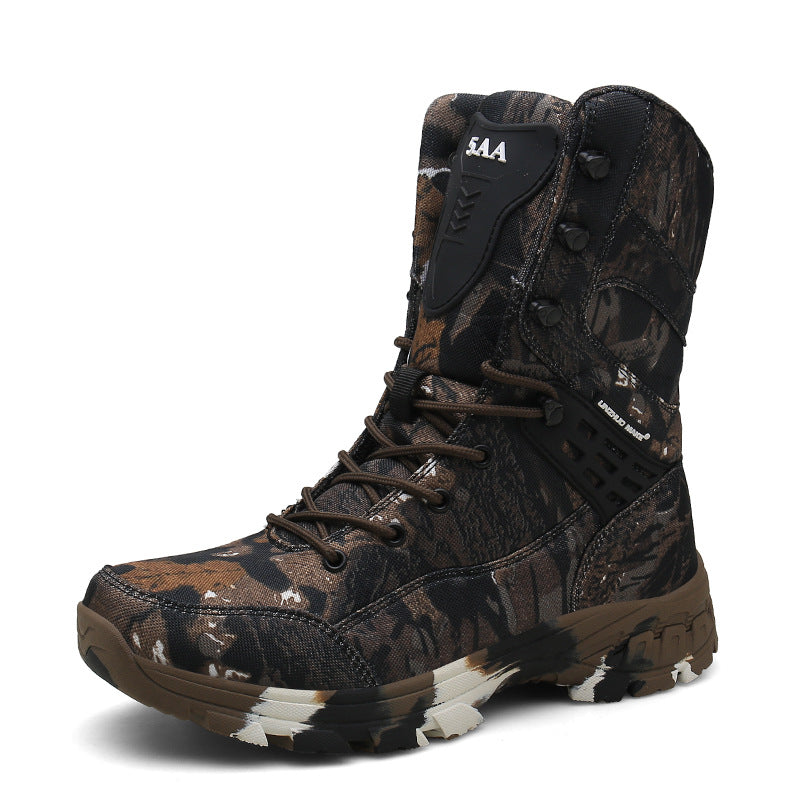
Tall boots can work well for fantasy warriors, pirates, and theatrical characters.
However, taller designs are not automatically more historically accurate.
Pay Attention to Materials
If authenticity matters, investigate the historical materials and construction methods associated with the particular period you are portraying.
For general cosplay, modern materials may offer practical advantages in comfort and maintenance.
Read product descriptions carefully rather than assuming a historical style name guarantees a particular material.
6. How to Style Viking Boots for Men
Viking-inspired outfits can range from simple historical looks to dramatic fantasy costumes.
The Classic Viking Warrior Look
For a recognizable Viking-inspired ensemble, combine:
-
A long-sleeved tunic.
-
Straight or relaxed-fit trousers.
-
A simple leather-style belt.
-
A wool-inspired cloak.
-
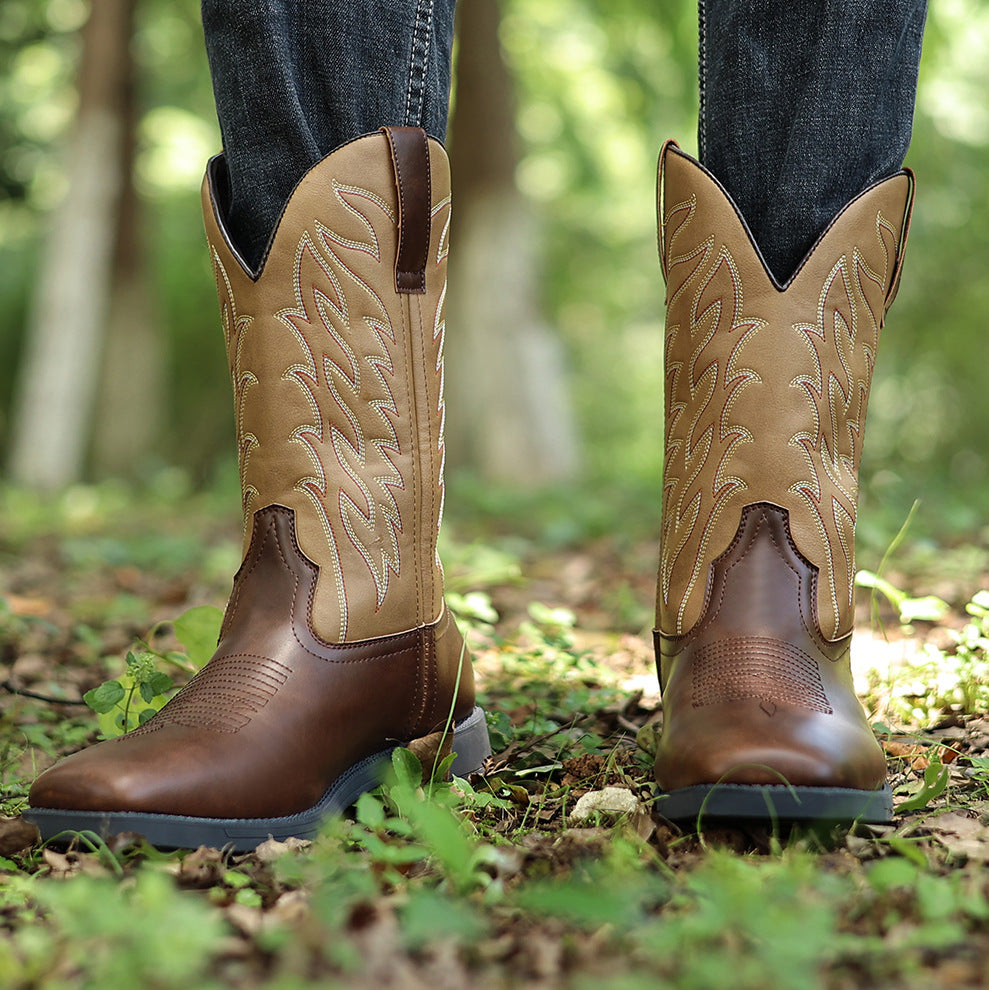
Earth-toned ankle or mid-height boots.
Brown, black, and muted neutral colors often work well for a rustic appearance.
Avoid assuming that every popular fantasy accessory represents authentic Viking history.
The Medieval Adventurer Look
Pair leather-inspired boots with a longer tunic, layered vest, belt pouch, and practical outerwear.
This combination works well for fantasy role-playing events and themed conventions.
The Renaissance Festival Look
Depending on your chosen character, consider decorative boots with fitted trousers, a period-inspired shirt, and accessories suited to the costume.
Remember that Renaissance fashion belongs to a different historical context from Viking Age clothing.
The Modern Alternative Fashion Look
Viking-inspired boots can also be incorporated into contemporary outfits.
Try combining dark leather-style boots with slim or straight jeans, a textured jacket, and minimal accessories.
The goal is to reference historical aesthetics without creating a full costume.
7. What Makes Good Viking-Style Cosplay Boots?
Before buying, examine the following features.
Comfortable Interior
Festival footwear should remain comfortable during extended wear.
Check whether the boot offers adequate room around the toes and instep.
Secure Closure
Laces, straps, buckles, and zippers can all affect fit.
Choose a fastening system that feels secure and suits the activity.
Appropriate Outsole
Outdoor events may involve loose soil, wet grass, or uneven surfaces.
Modern rubber outsoles can offer practical advantages, but tread performance varies by product.
Suitable Shaft Height
The boot should fit comfortably around the ankle or calf without creating excessive pressure.
Correct Size
Use the product's size chart and account for the socks you intend to wear.
If your costume includes thick socks, check that the fit remains comfortable.
8. Are Viking Boots Suitable for Everyday Wear?
Some modern Viking-inspired boots can be worn casually, depending on their materials, construction, and styling.
Simpler designs often work well with contemporary clothing.
Highly decorative costume boots may be better suited to special events.
Consider your regular walking environment before choosing a pair for daily use.
Footwear designed primarily for theatrical appearance may not be appropriate for demanding outdoor work or technical hiking.
9. How to Care for Medieval-Style Boots
Proper maintenance can help keep your footwear looking its best.
First, remove dust and dirt after each use.
Use a suitable cleaning method for the specific upper material.
If the footwear is made from genuine leather, apply compatible leather-care products when needed.
For synthetic materials, follow the manufacturer's cleaning recommendations.
Allow wet footwear to dry naturally away from direct heat.
When storing boots, keep them in a dry, ventilated location.
Boot shapers or appropriate stuffing may help preserve the shaft's shape.
Before your next event, inspect the soles, fastenings, and stitching.
10. Explore Viking and Medieval-Style Boots at WildKing
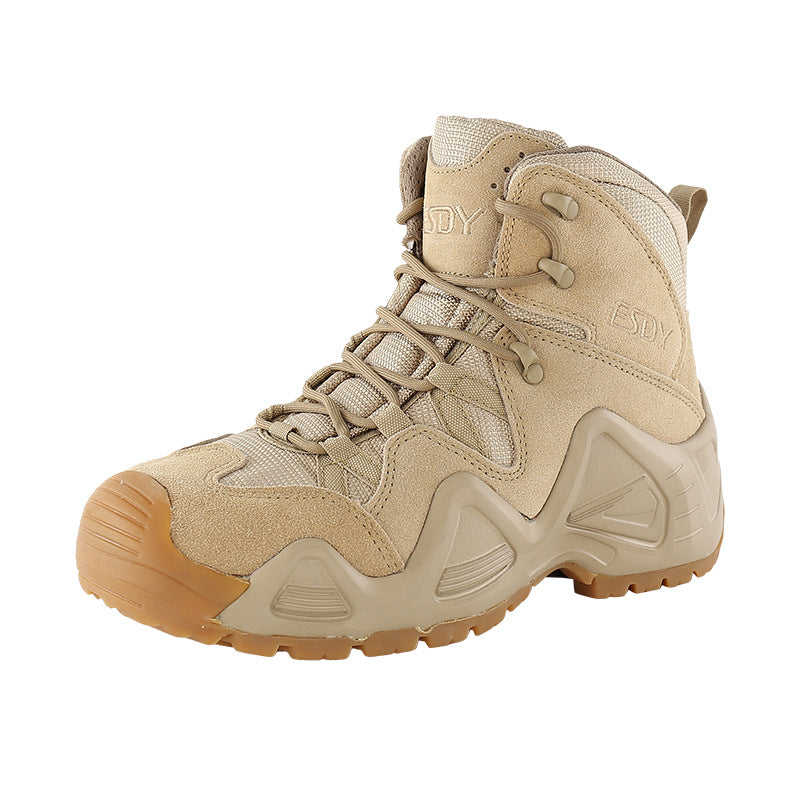
WildKing offers a selection of Viking-inspired, medieval-style, Renaissance, pirate, and fantasy costume boots.
The collection includes designs with different shaft heights, colors, decorative elements, and fastening styles.
These options can help customers create distinctive outfits for Renaissance festivals, theatrical performances, fantasy conventions, and themed celebrations.
For shoppers interested in historical authenticity, remember to distinguish modern costume styling from archaeological reconstructions.
Browse WildKing's Cosplay Boots Collection to explore medieval-inspired footwear for your next event.
Frequently Asked Questions
What type of shoes did Vikings wear?
Viking Age communities wore practical footwear, often made from leather. Surviving evidence includes low-cut and ankle-high shoe designs.
Did Vikings wear knee-high boots?
Modern portrayals often feature tall boots, but such designs should not be assumed to represent typical Viking Age footwear.
Were Viking shoes made of leather?
Leather was an important historical footwear material. Construction varied across regions and periods.
What boots should I wear to a Renaissance fair?
Choose footwear that matches your character while offering appropriate comfort and traction for the event environment.
Can medieval costume boots be worn casually?
Some modern designs can work with everyday outfits. Suitability depends on the individual product's construction and comfort.
Are Viking boots and pirate boots the same?
No. The styles reflect different historical and fictional influences, although modern cosplay designs sometimes combine their visual features.
Final Thoughts
Viking footwear tells an interesting story about practical design, craftsmanship, and daily life in early medieval Scandinavia.
While historical Viking shoes were often relatively simple, modern Viking-inspired boots offer a wide variety of options for cosplay, festivals, and alternative fashion.
Whether you prefer historical accuracy or a dramatic fantasy look, choosing the right footwear can bring your outfit together.
Discover WildKing's medieval and Viking-inspired footwear collection and find the finishing touch for your next adventure.
