



















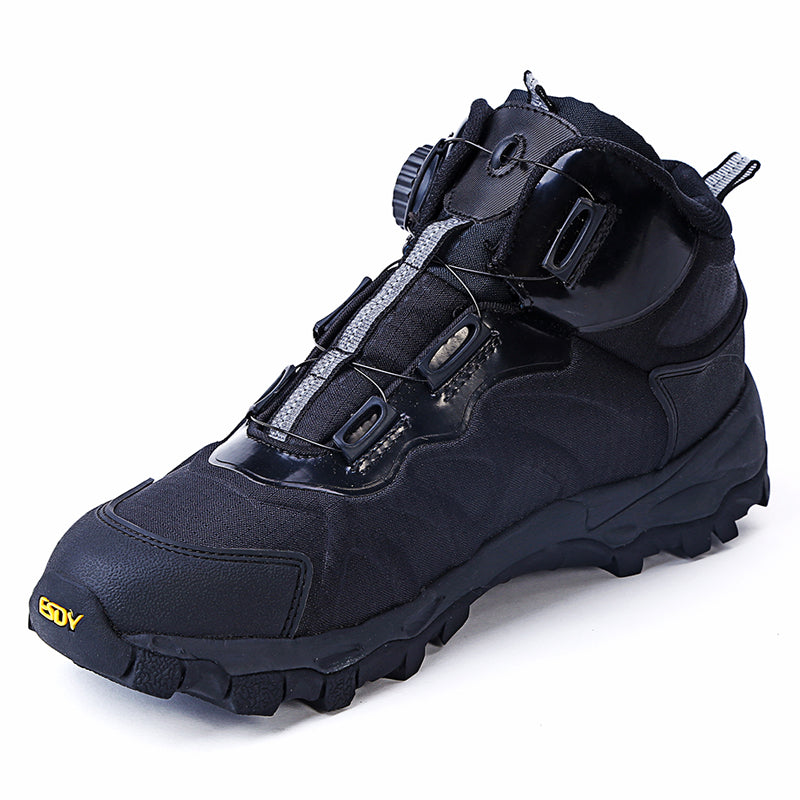

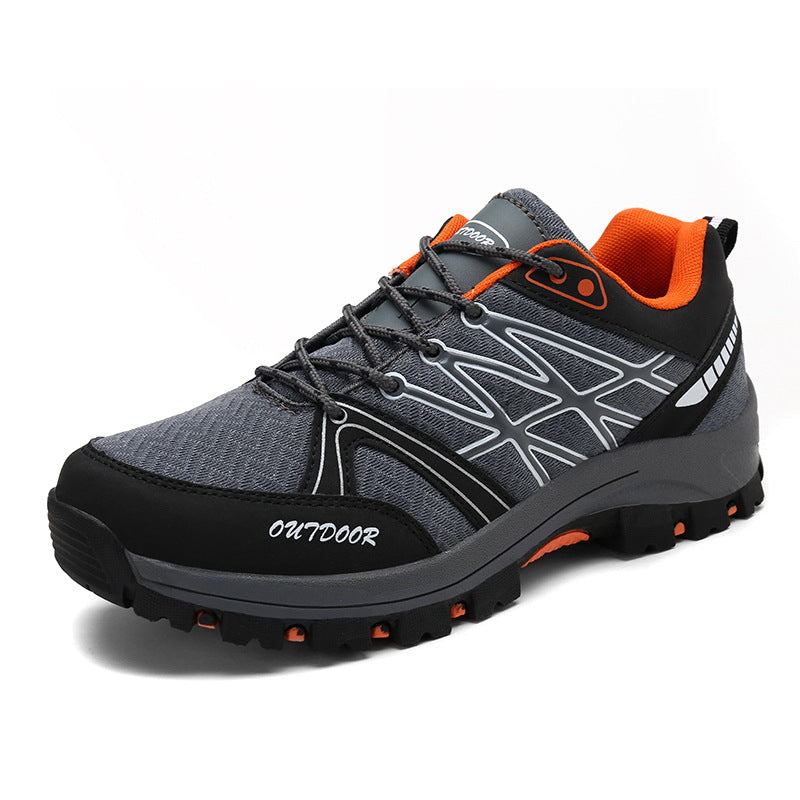
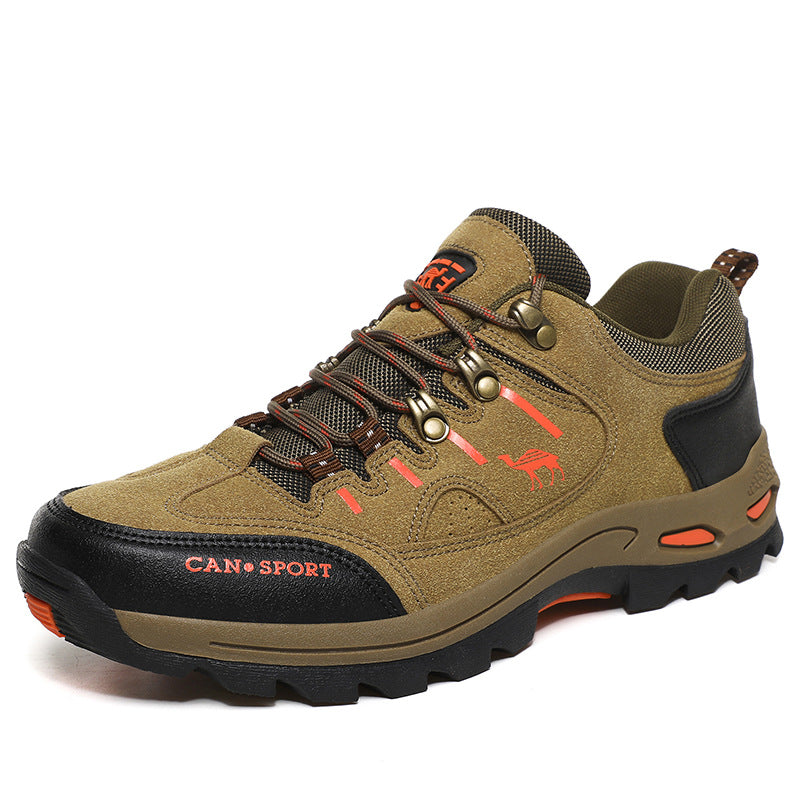
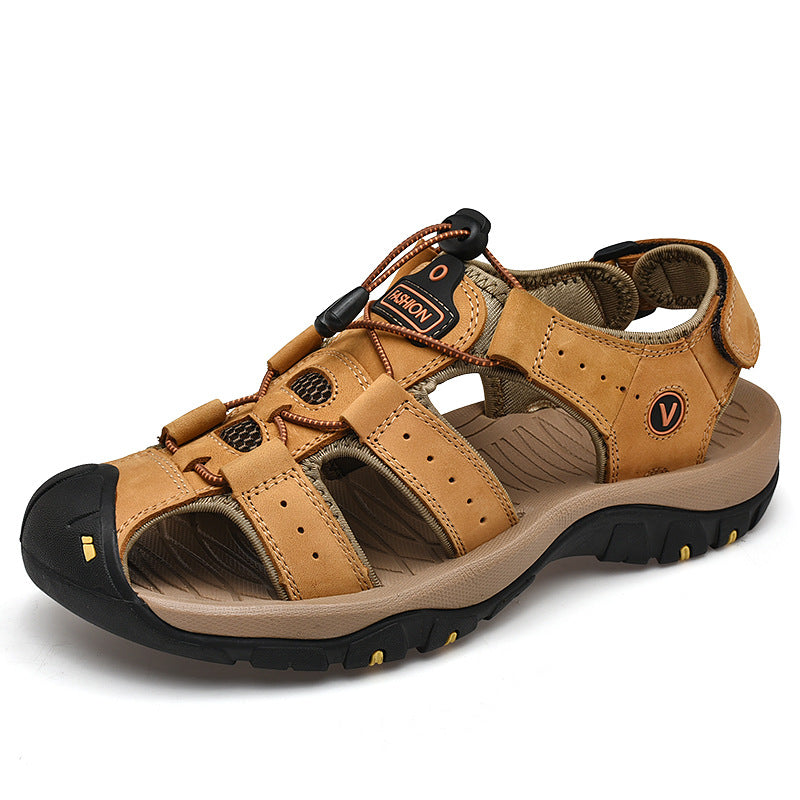

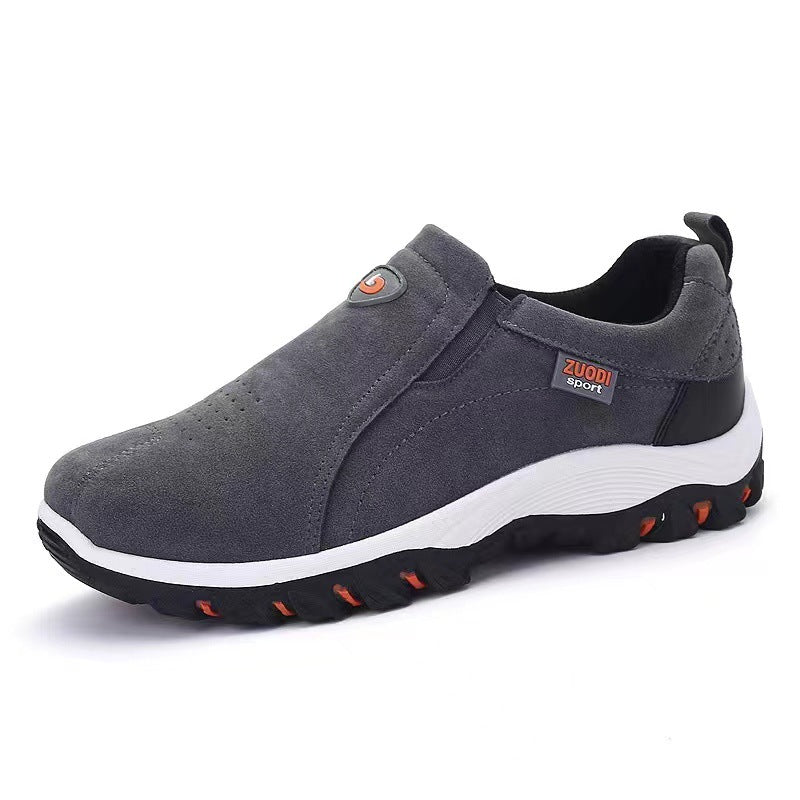
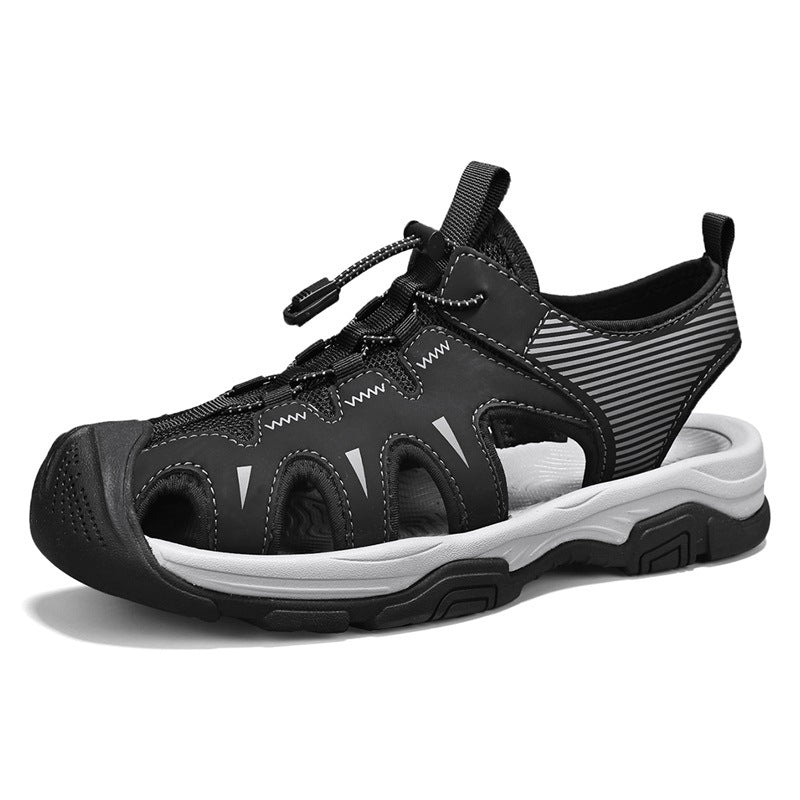
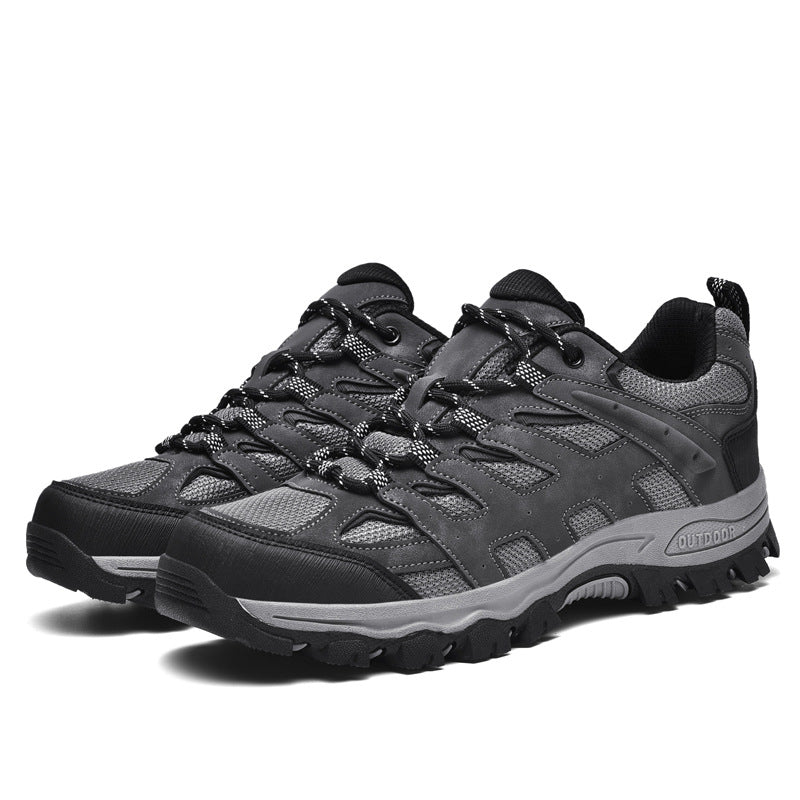
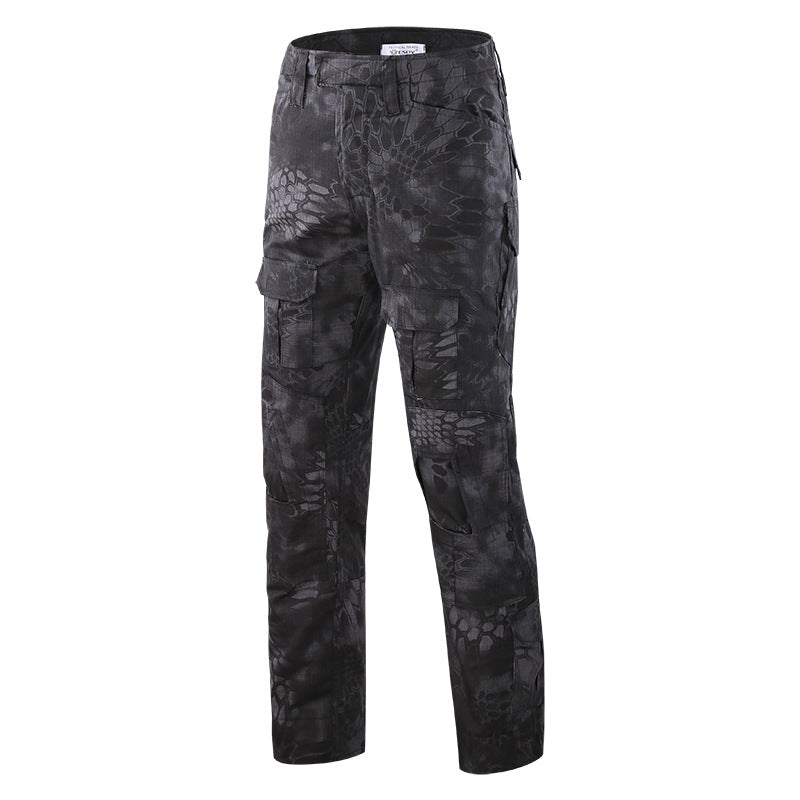
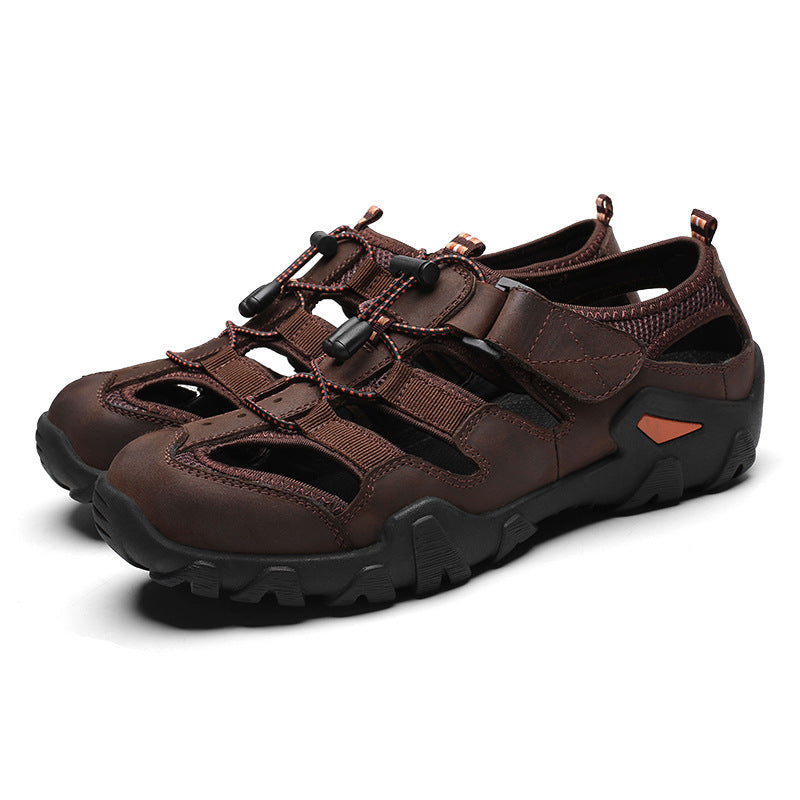
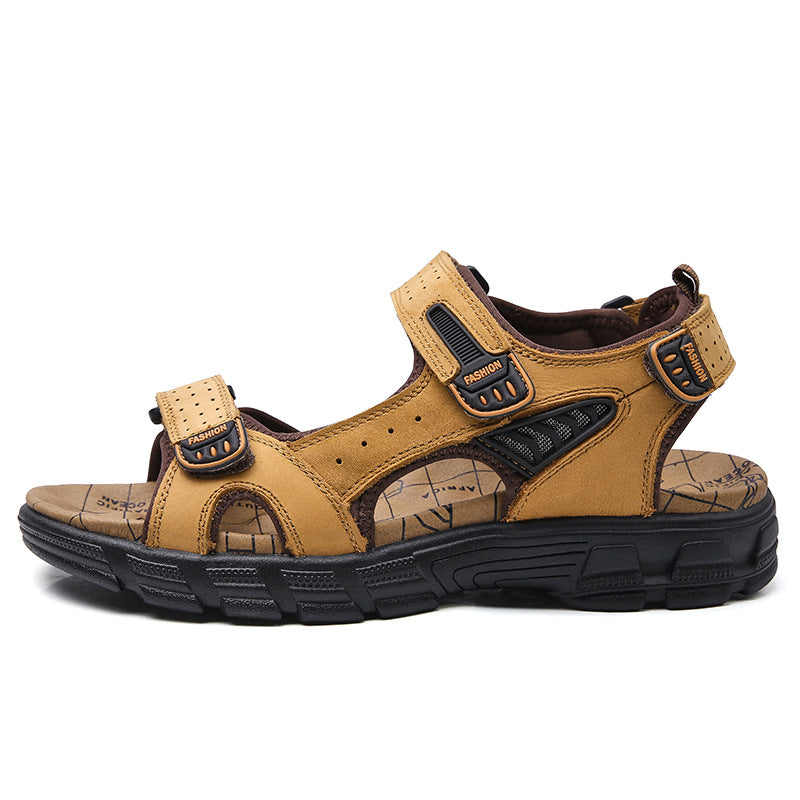
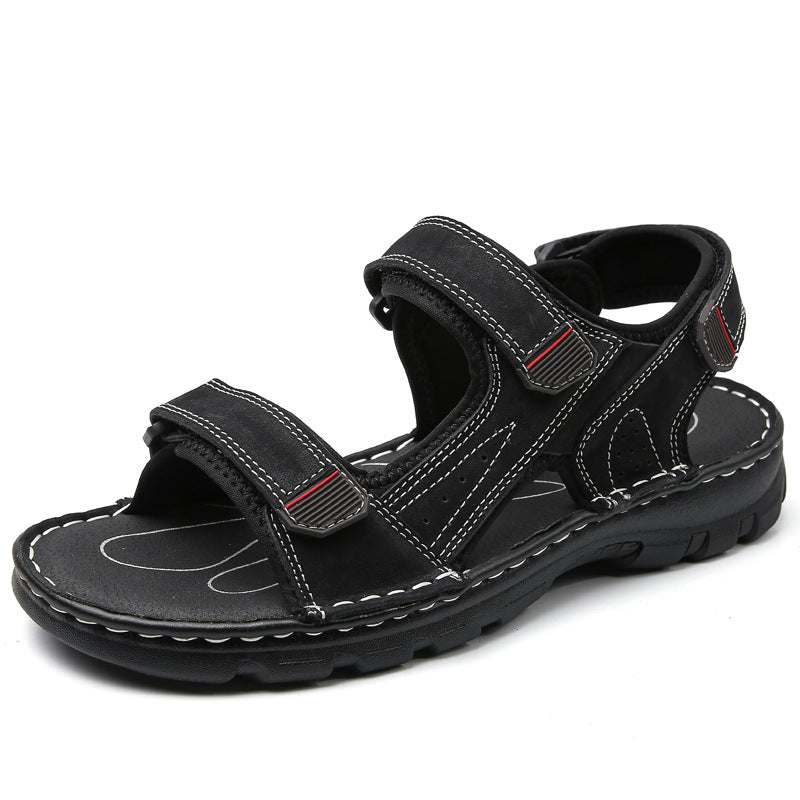
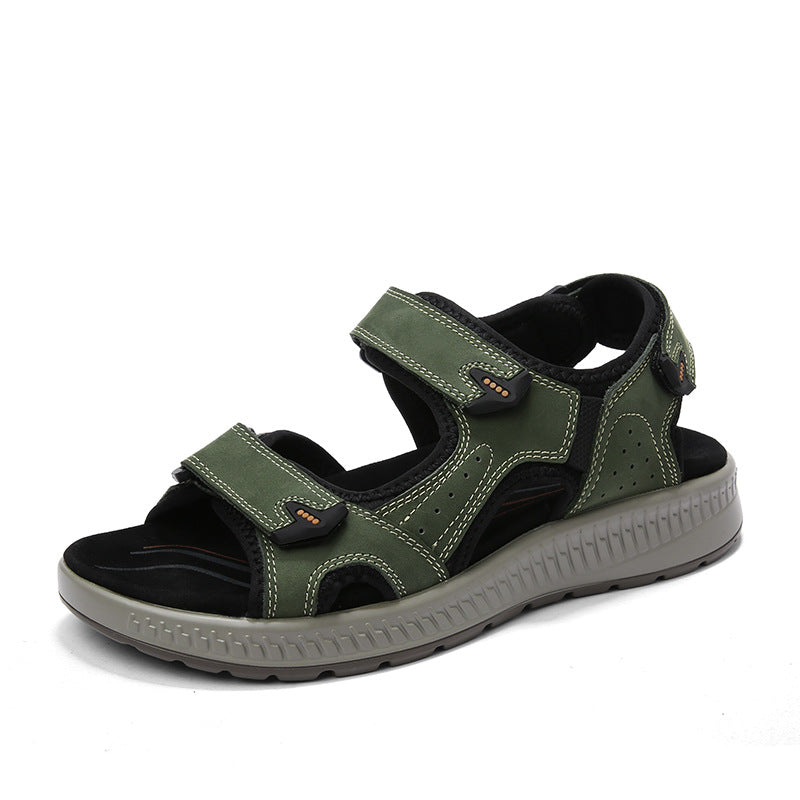
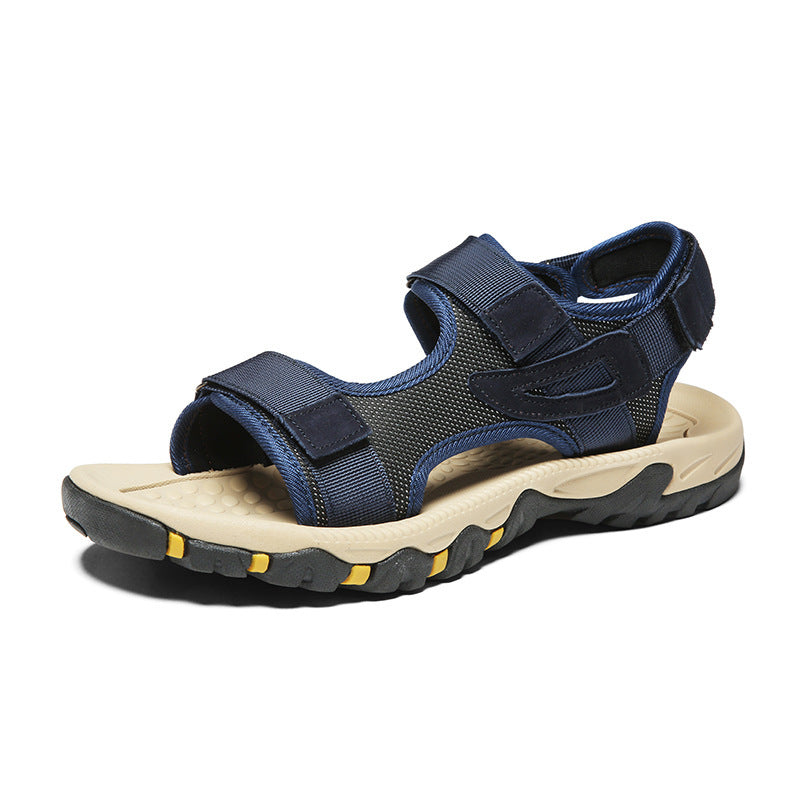
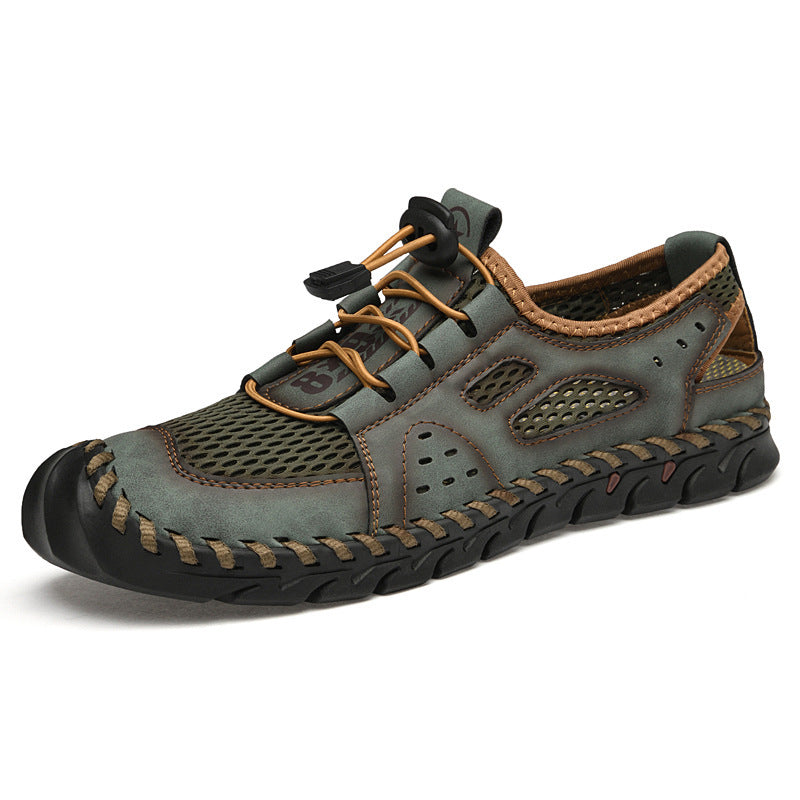
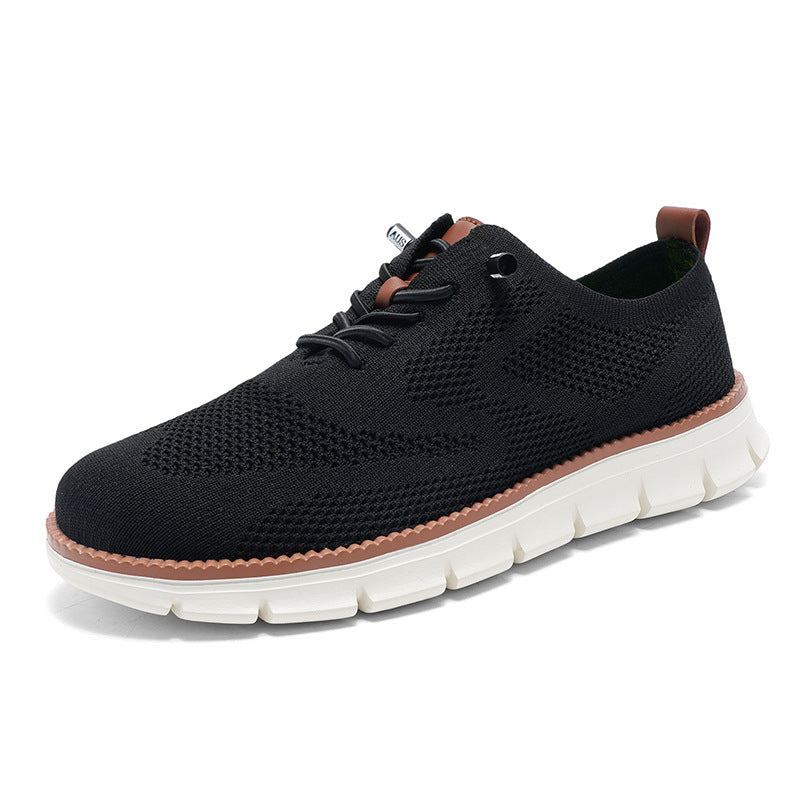
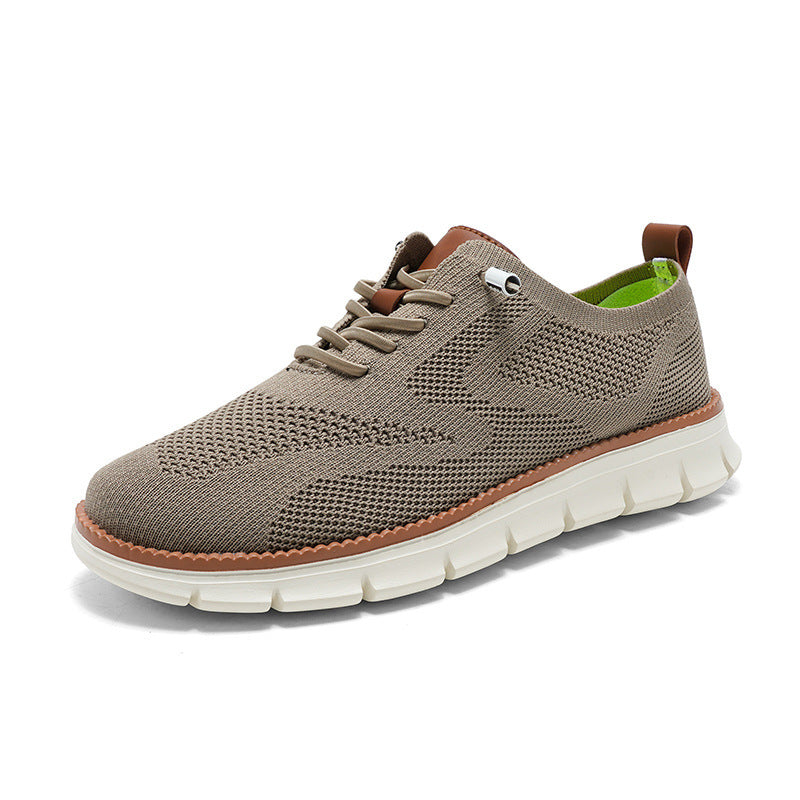
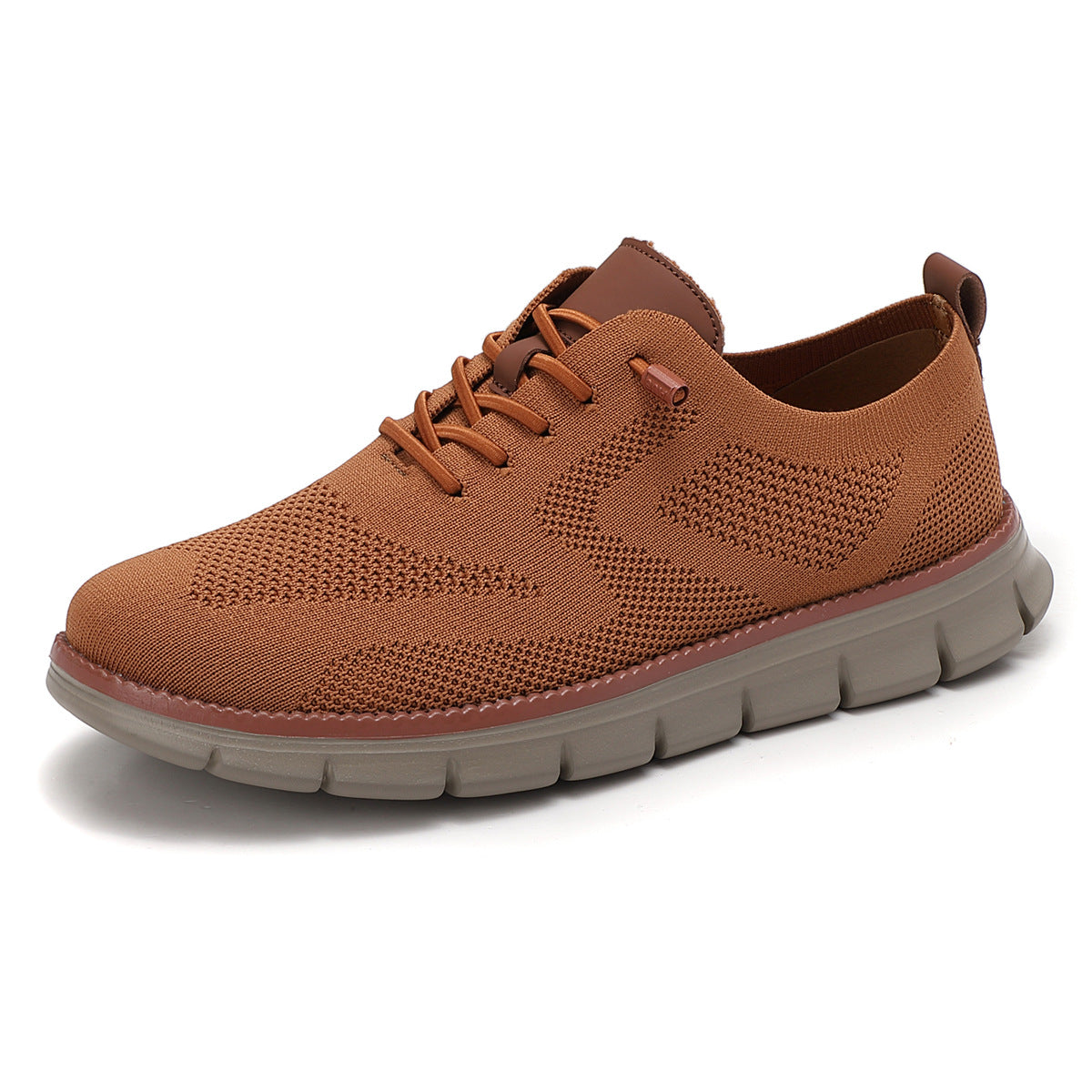
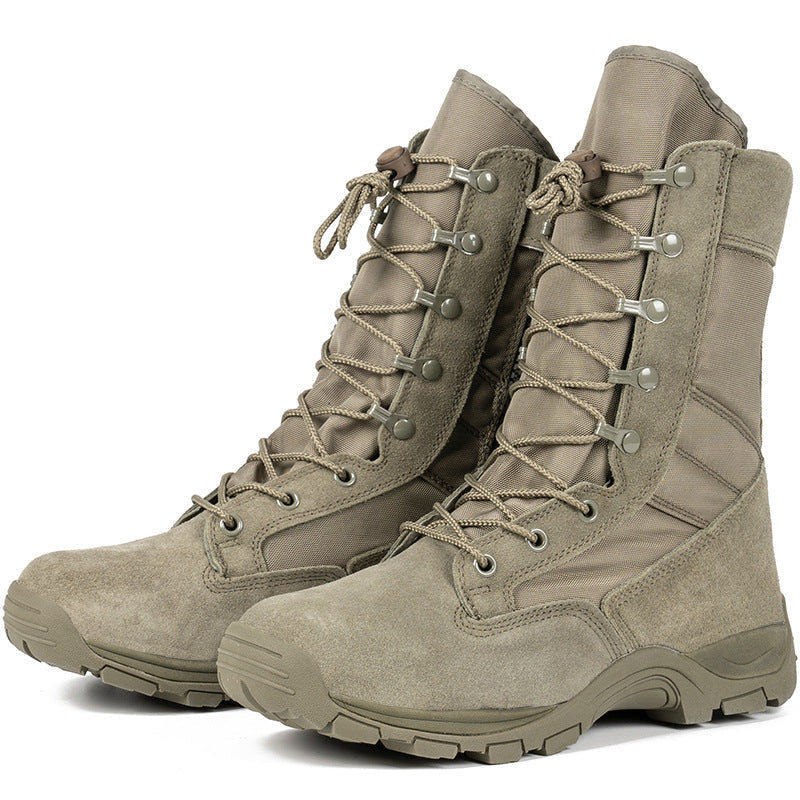
The Latest Men’s Ankle Boots for 2026: Hiking, Trekking & Everyday Outdoor Style
That is why men’s ankle boots have become such a versatile part of a modern wardrobe.
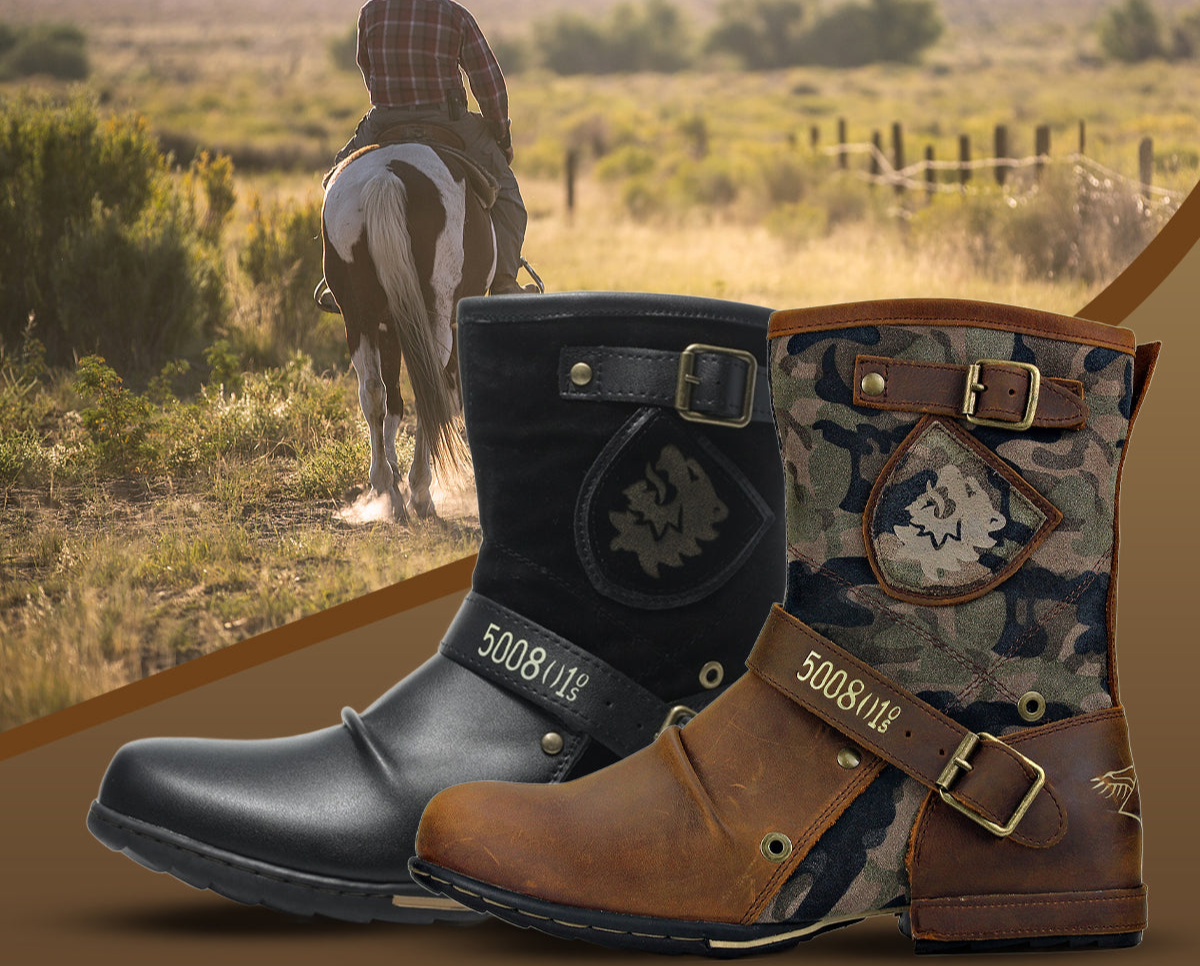
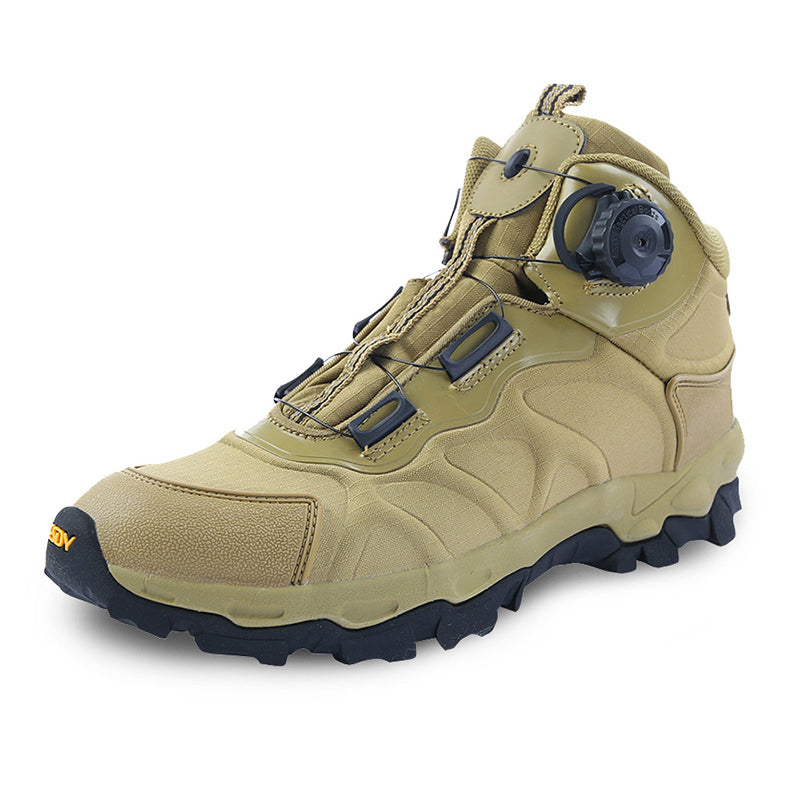
The latest generation of men's ankle boots is no longer limited to heavy, traditional hiking footwear. Today's designs combine outdoor-inspired performance with everyday comfort and contemporary style. Lightweight construction, supportive ankle designs, durable outsoles, weather-resistant materials, and modern silhouettes are making hiking and trekking boots increasingly suitable for both outdoor adventures and everyday wear.
For 2026, the direction is clear: men want boots that can work harder without looking like they belong only on the trail.
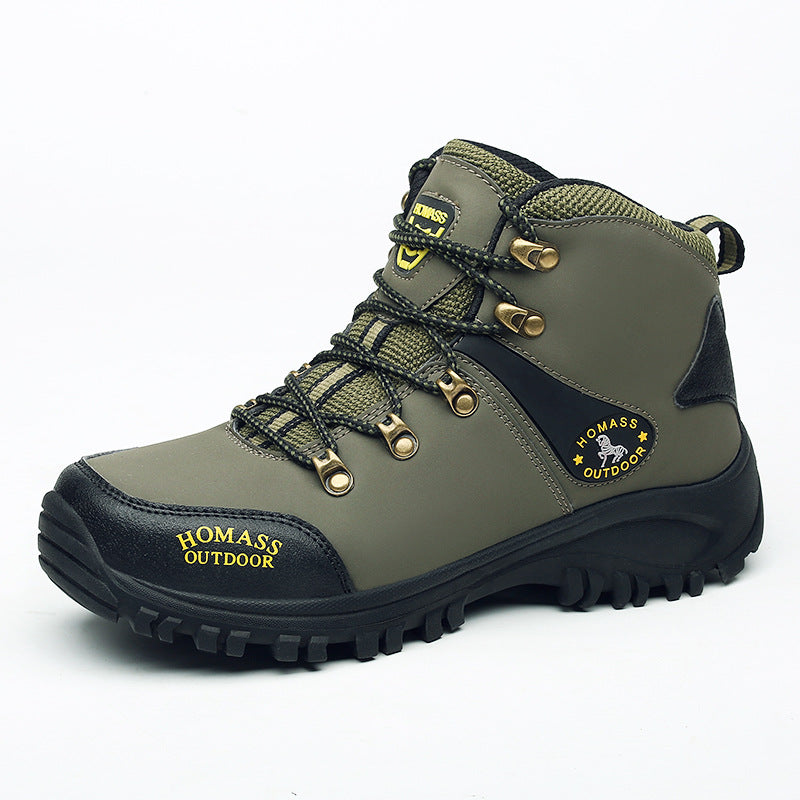
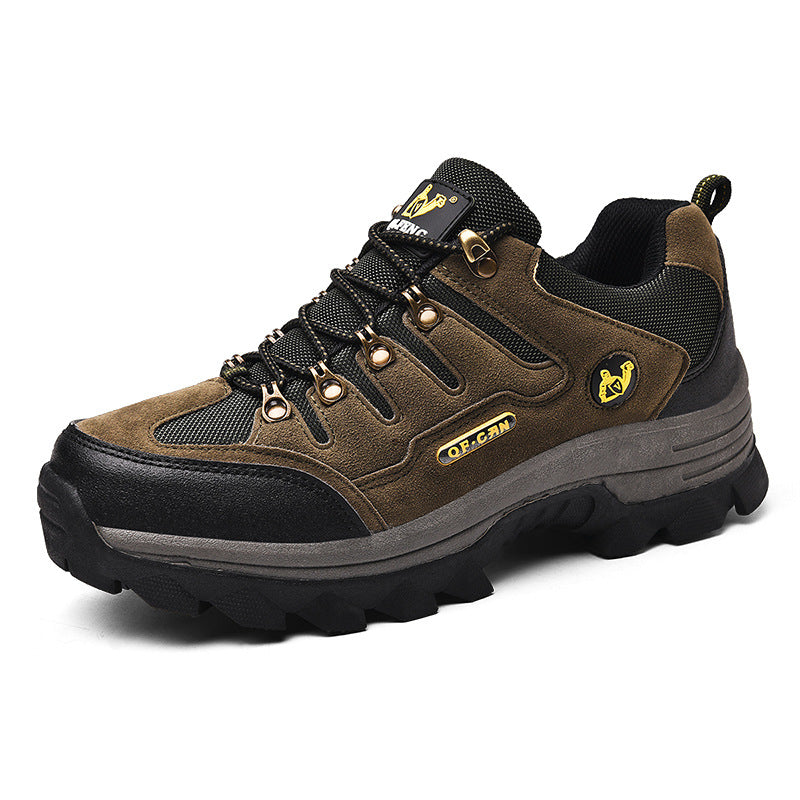
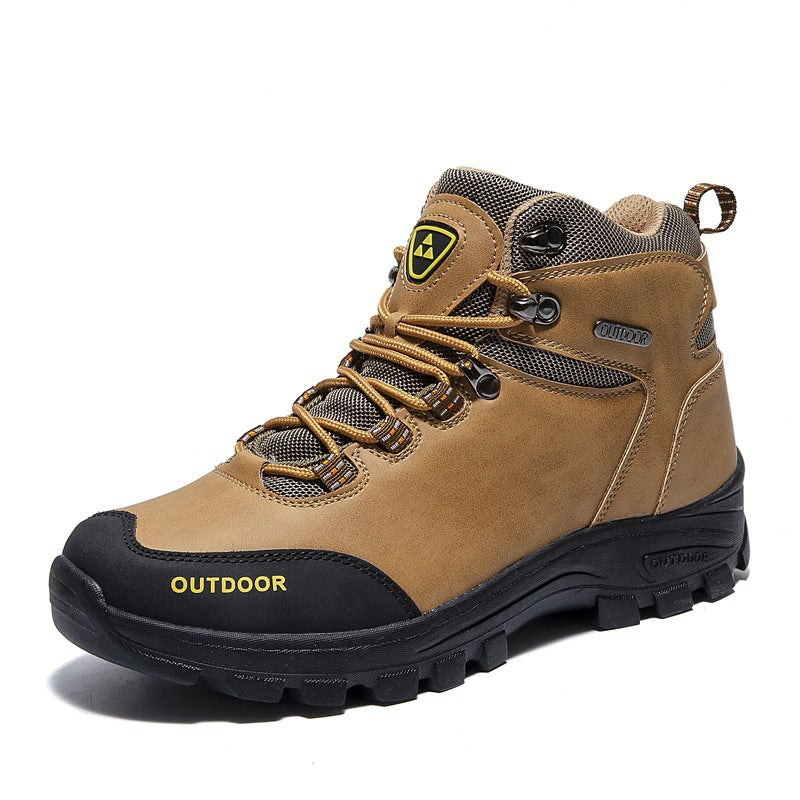
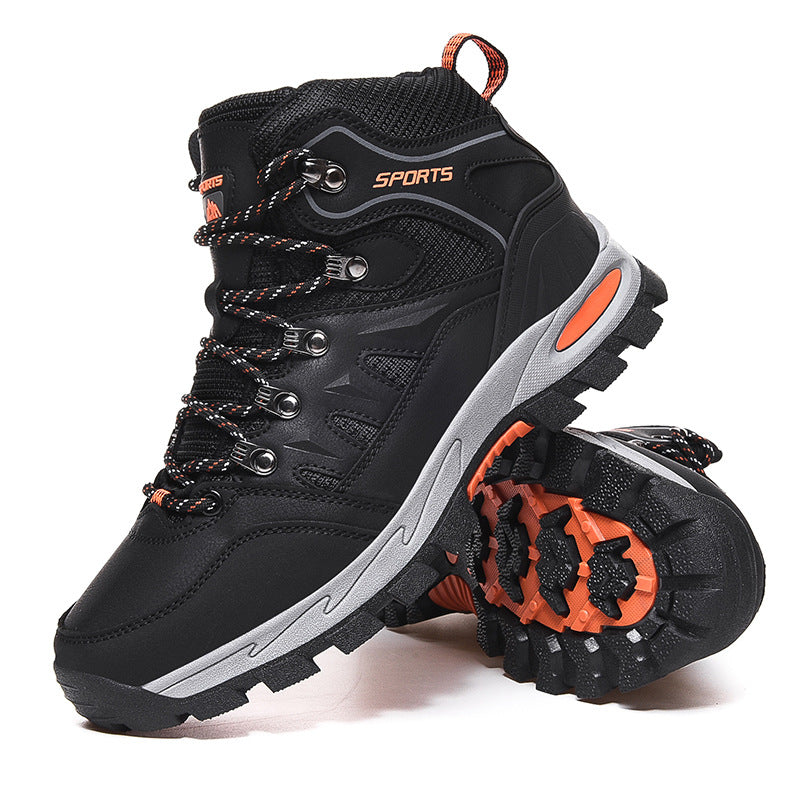
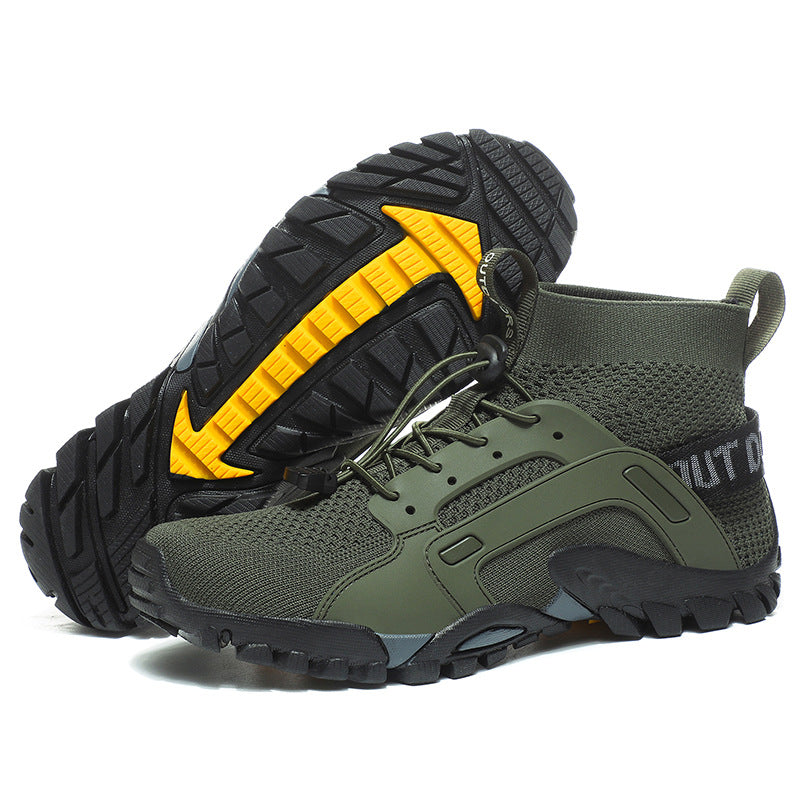
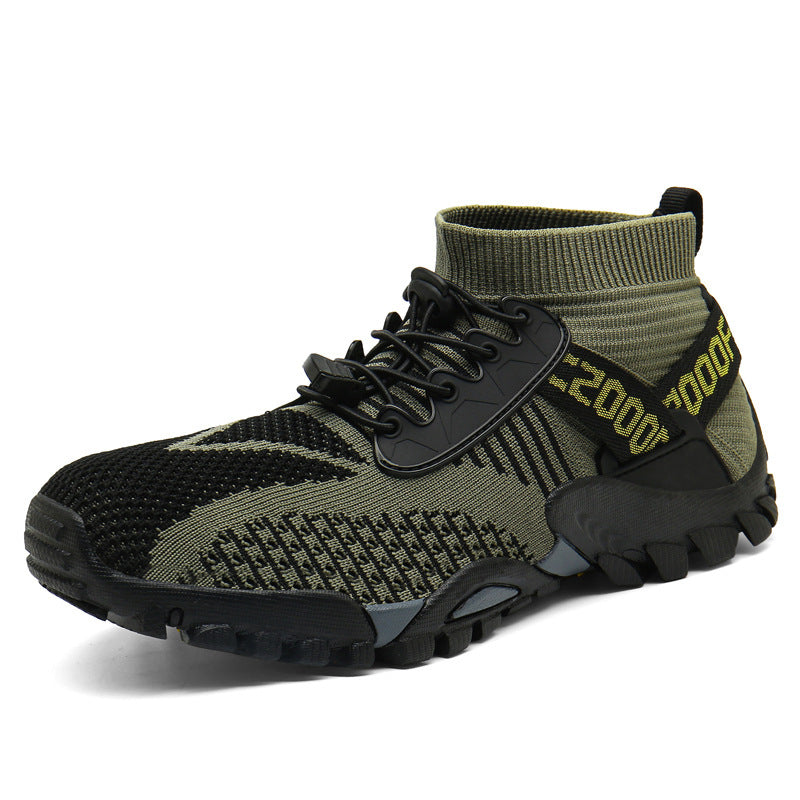
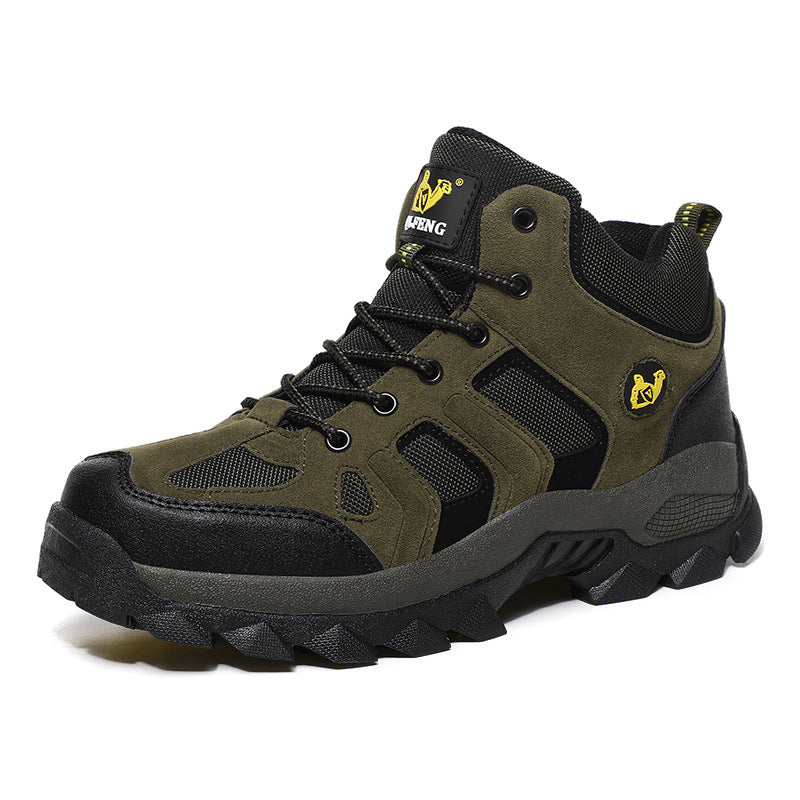
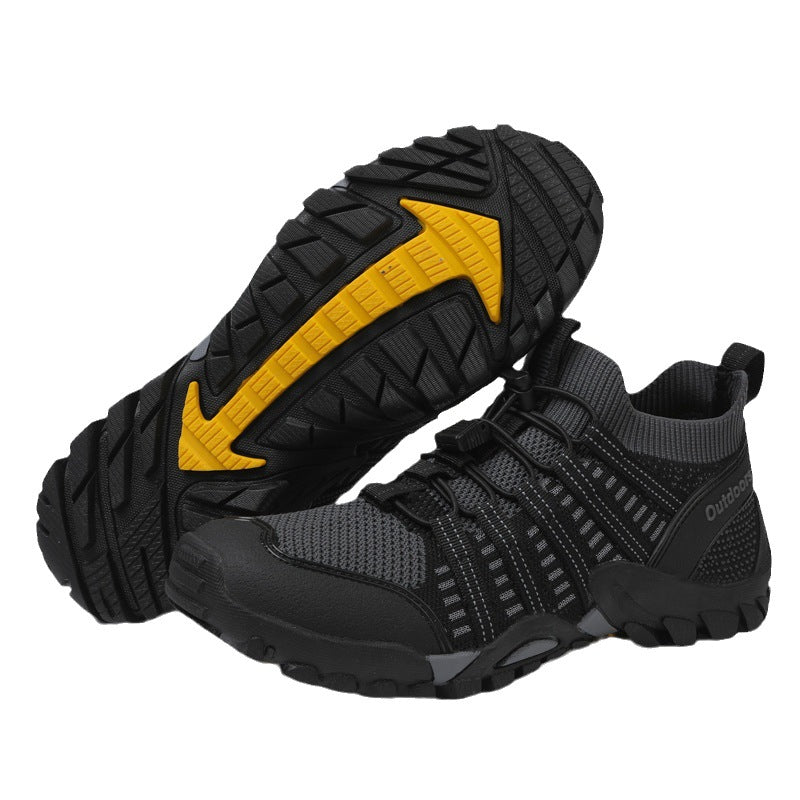
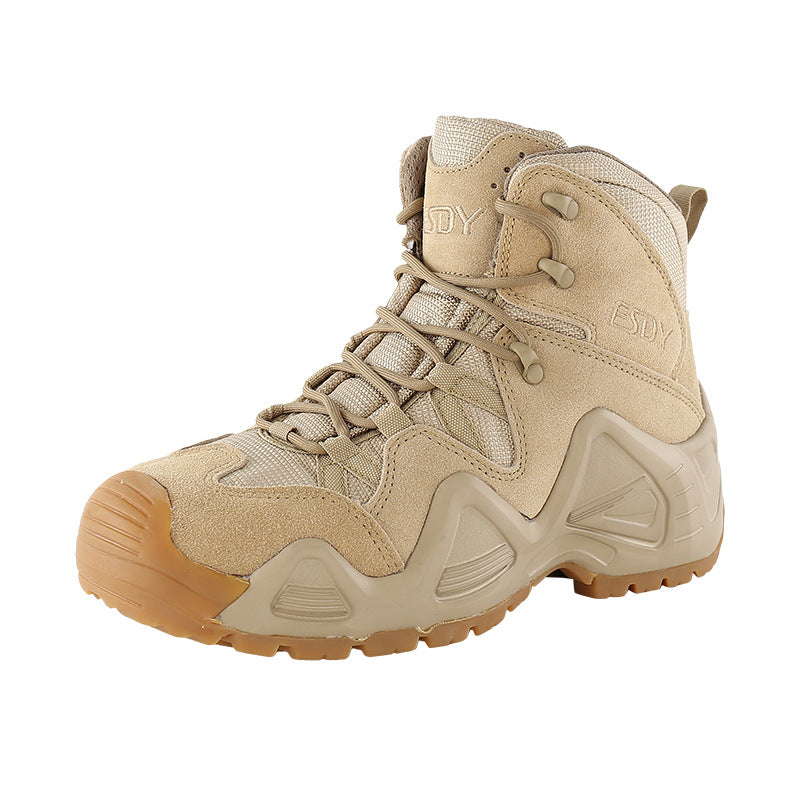
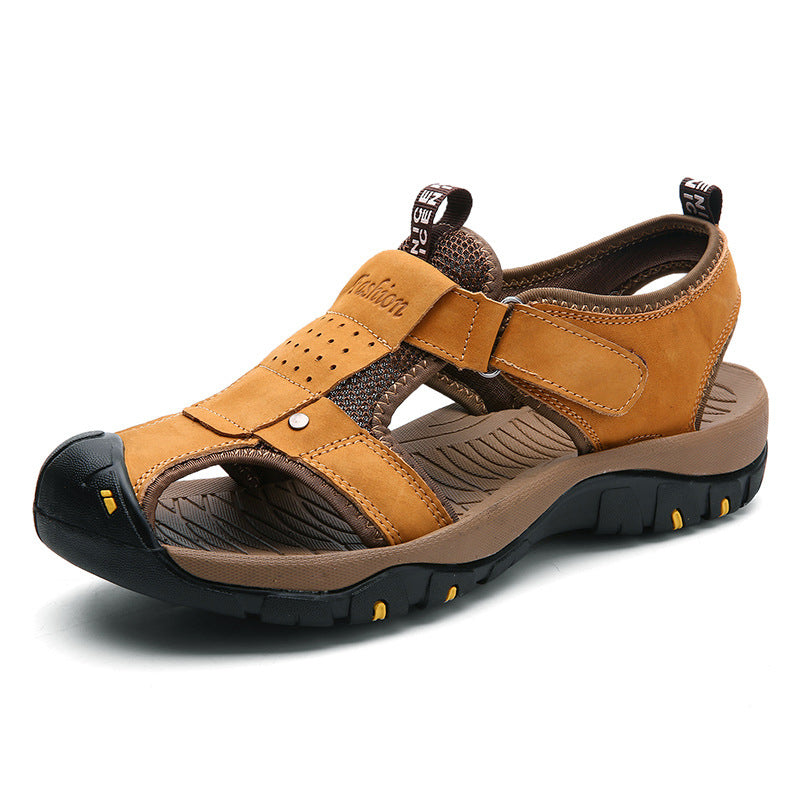
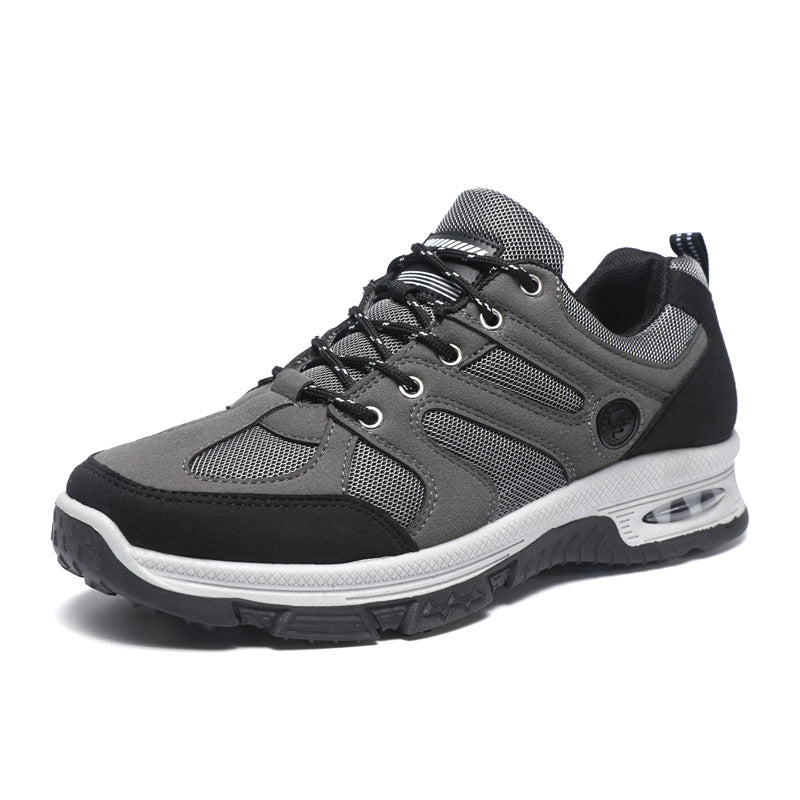
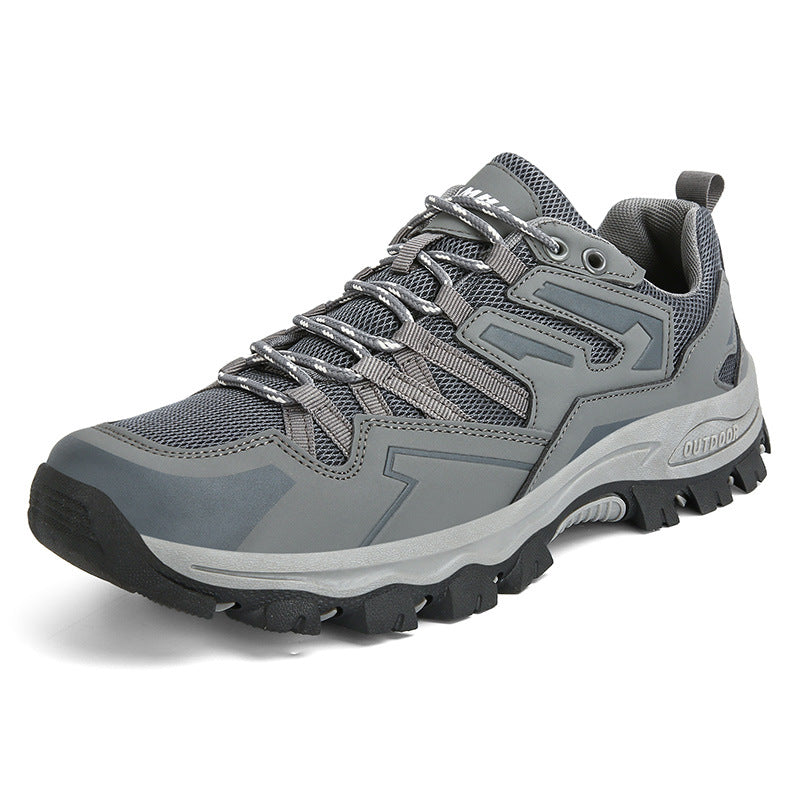
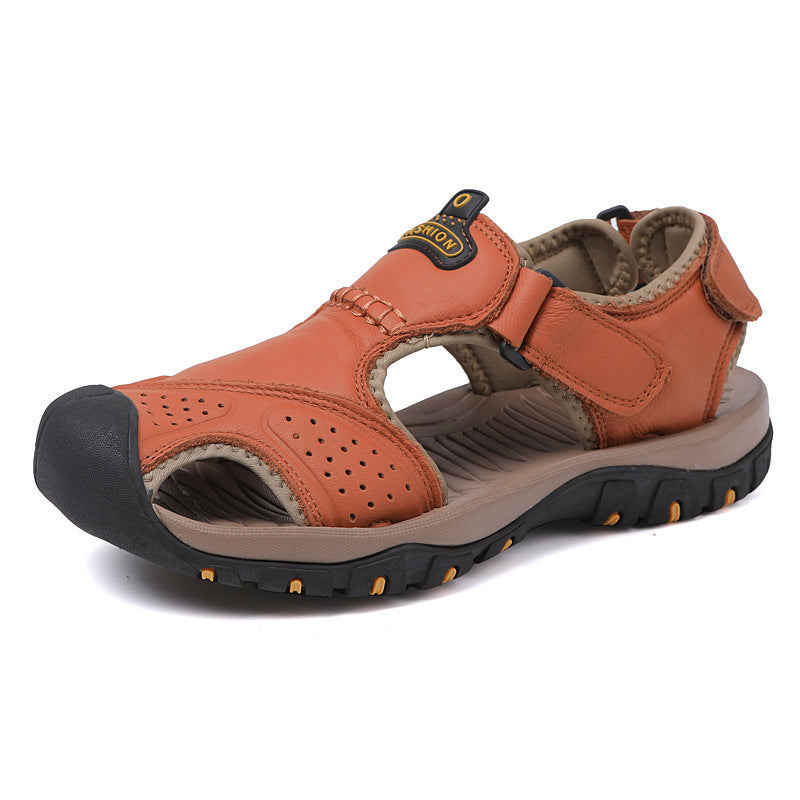
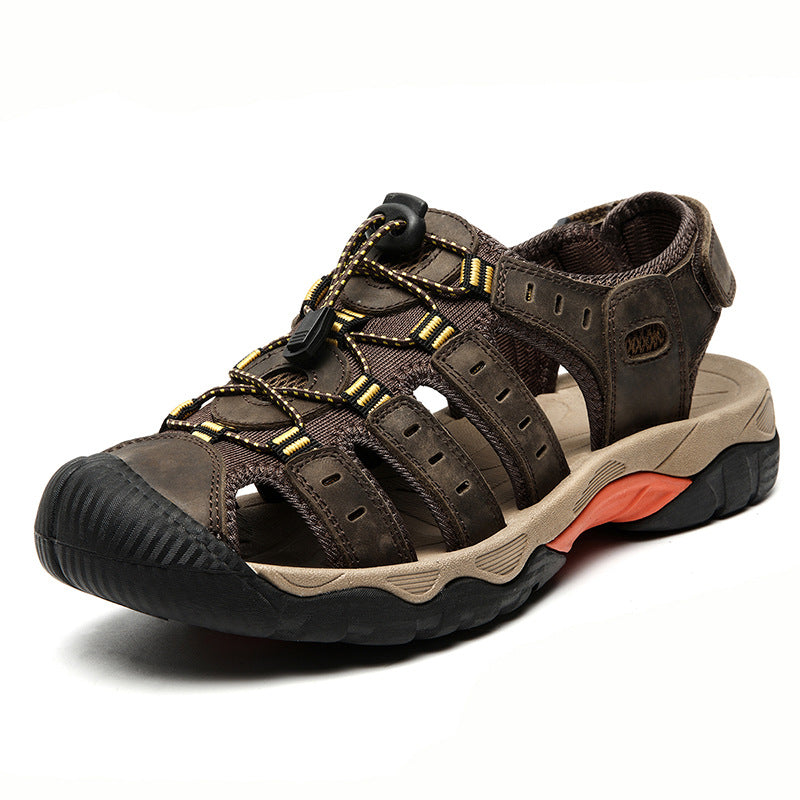
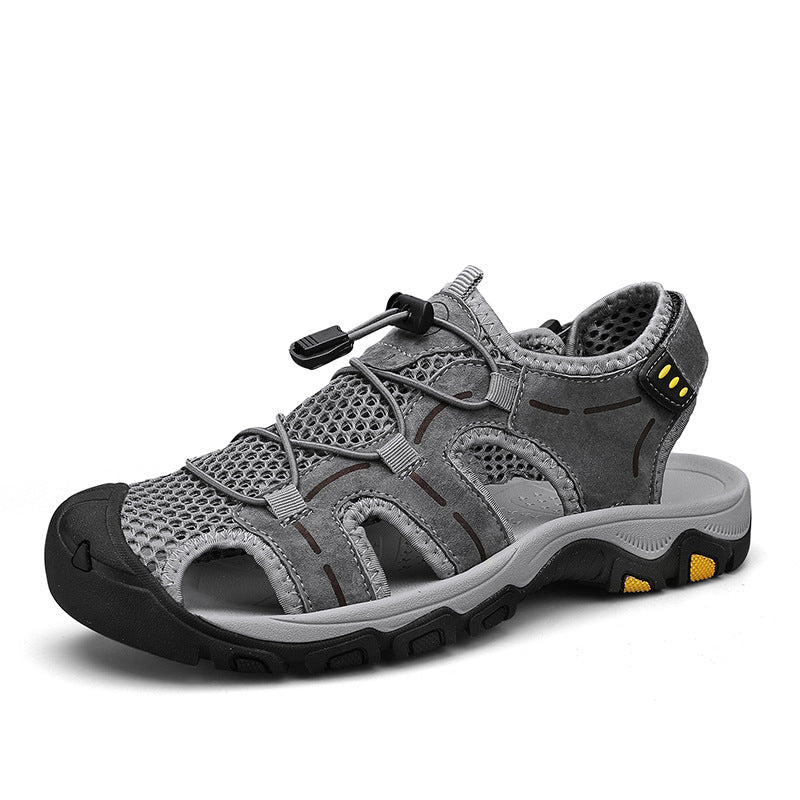
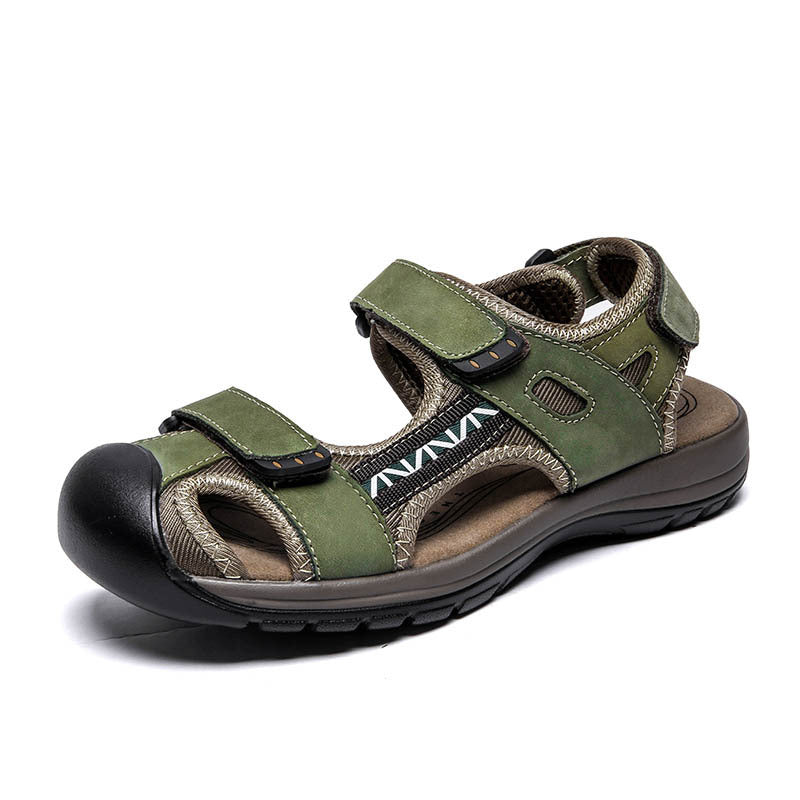
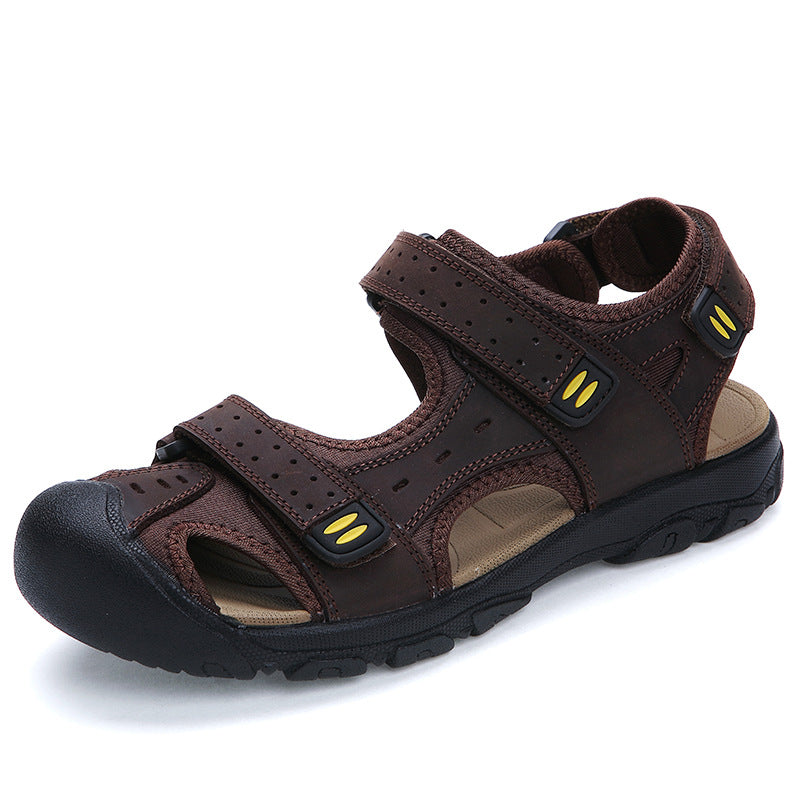
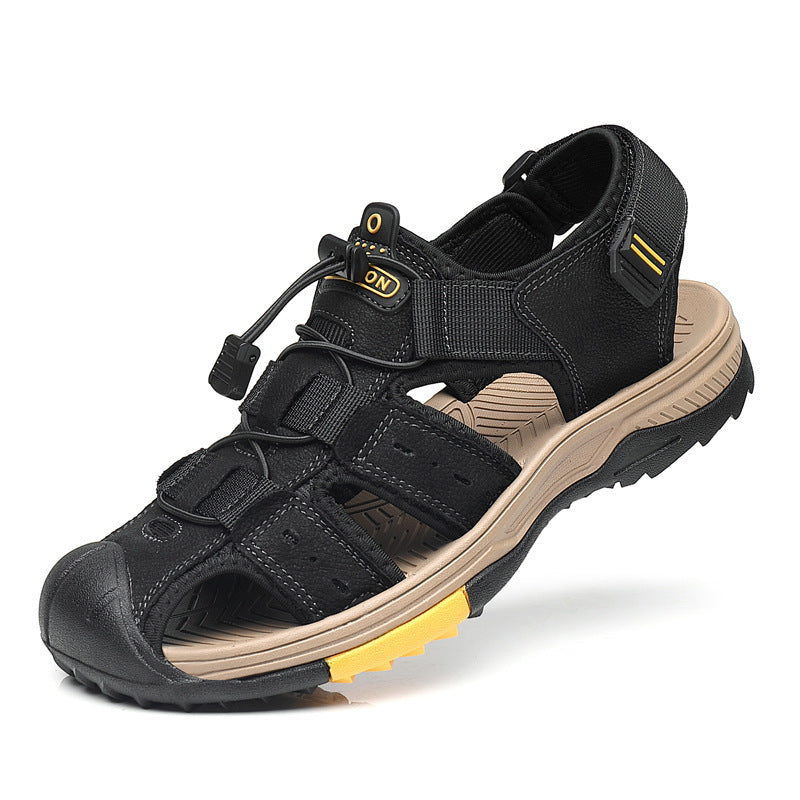
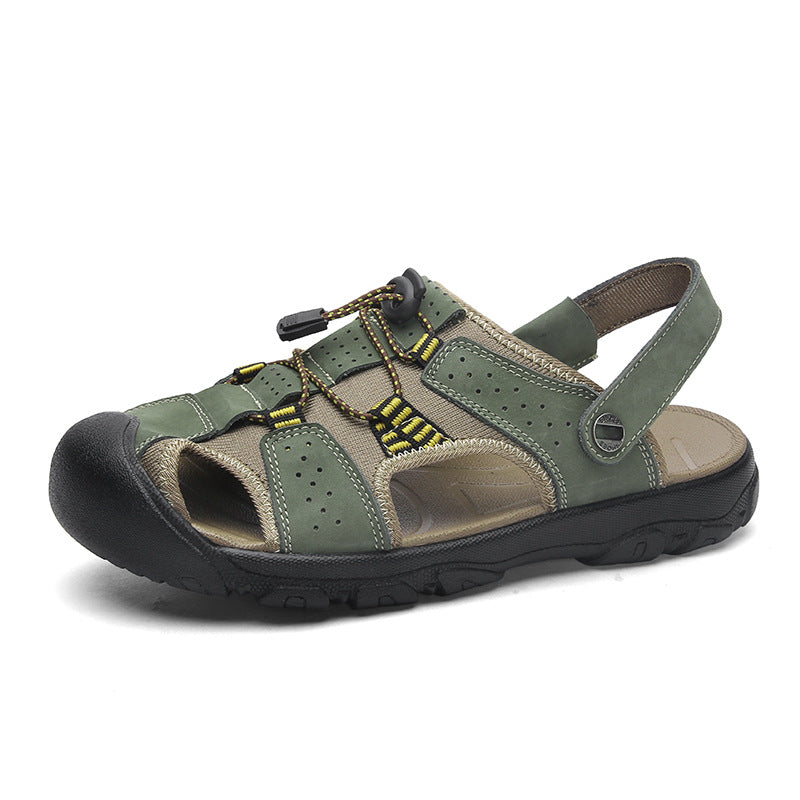
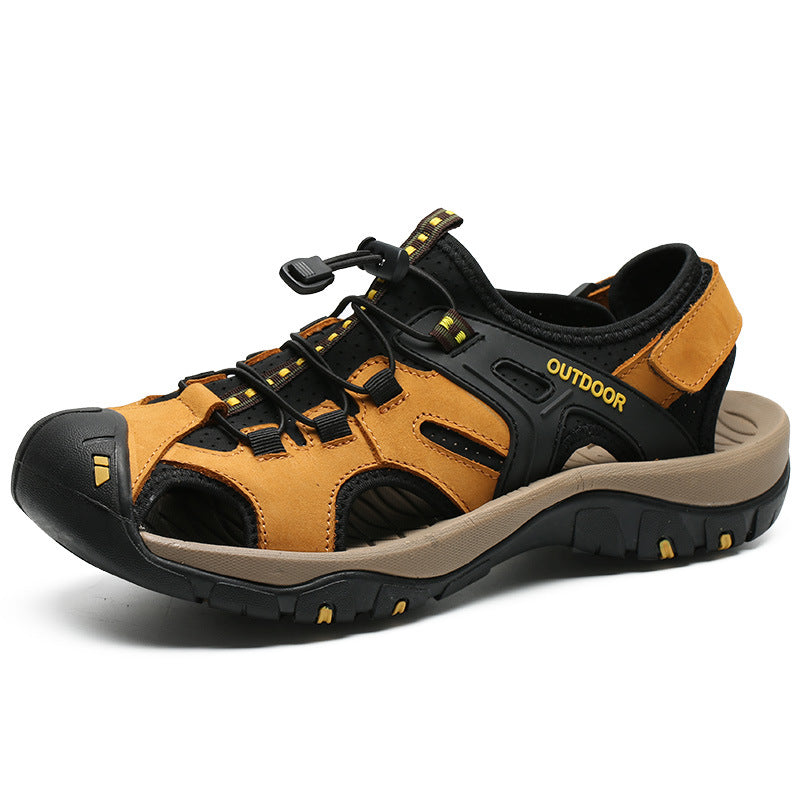
At WildKing, our latest Hiking & Trekking Boots Collection brings together rugged outdoor footwear designed for men who want to explore more while staying comfortable and confident on their feet.
Whether you are looking for men’s hiking boots, trekking boots, waterproof ankle boots, outdoor boots, tactical hiking boots, lightweight hiking boots, or everyday adventure footwear, the right pair can make a major difference.
Explore the latest WildKing Hiking & Trekking Boots
In this guide, we will look at what makes a good pair of men’s ankle boots, how to choose the right hiking boots, and how to wear outdoor boots beyond the trail.
Why Men’s Ankle Boots Are So Versatile
One of the biggest advantages of ankle boots is their ability to bridge different environments.
A traditional hiking boot may be designed primarily for trails, while a sneaker may be comfortable around town but offer limited protection in rough conditions.
A well-designed ankle boot can sit comfortably between the two.
You can wear it for:
- Weekend hikes
- Forest walks
- Camping trips
- Travel
- Road trips
- Outdoor work
- City walking
- Casual everyday wear
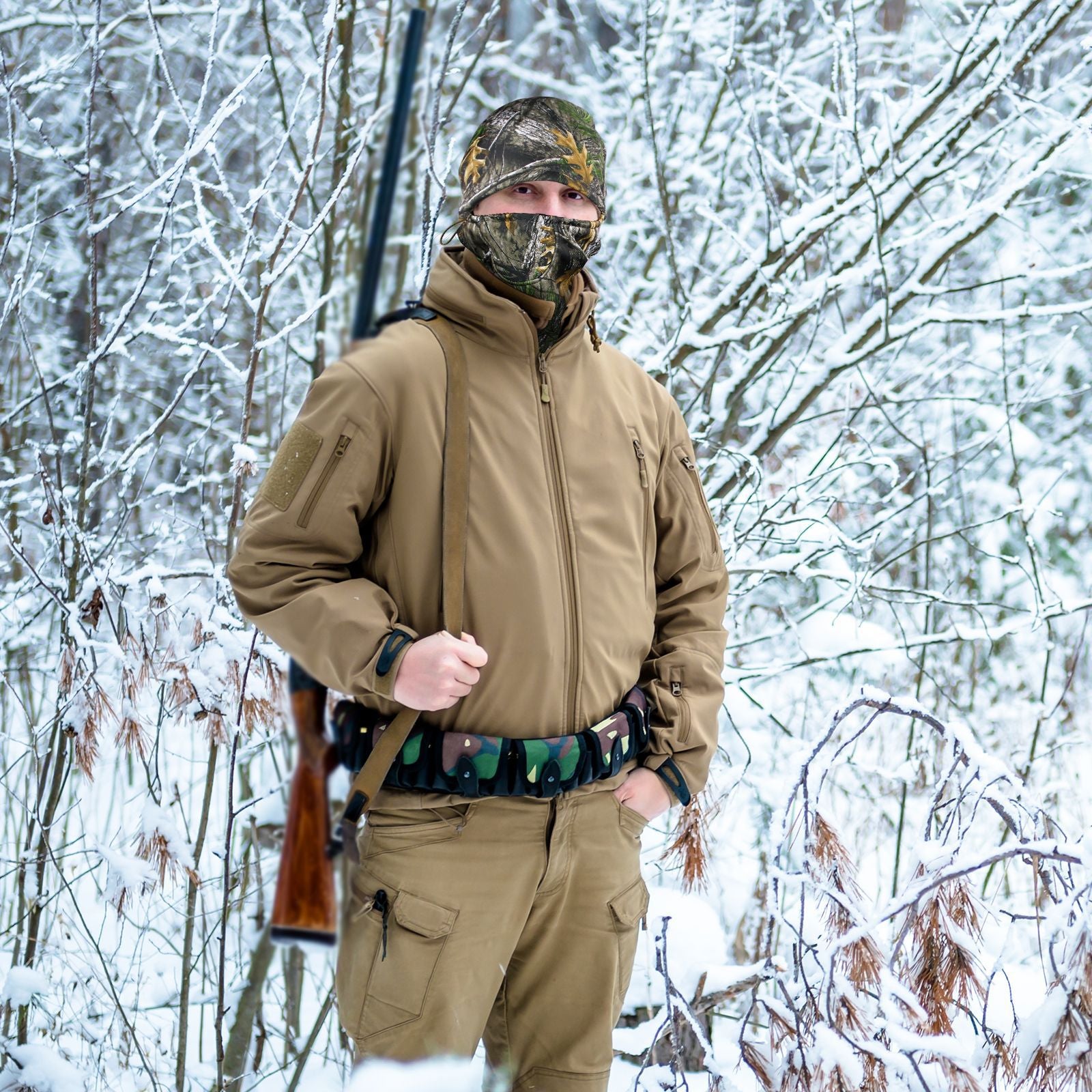
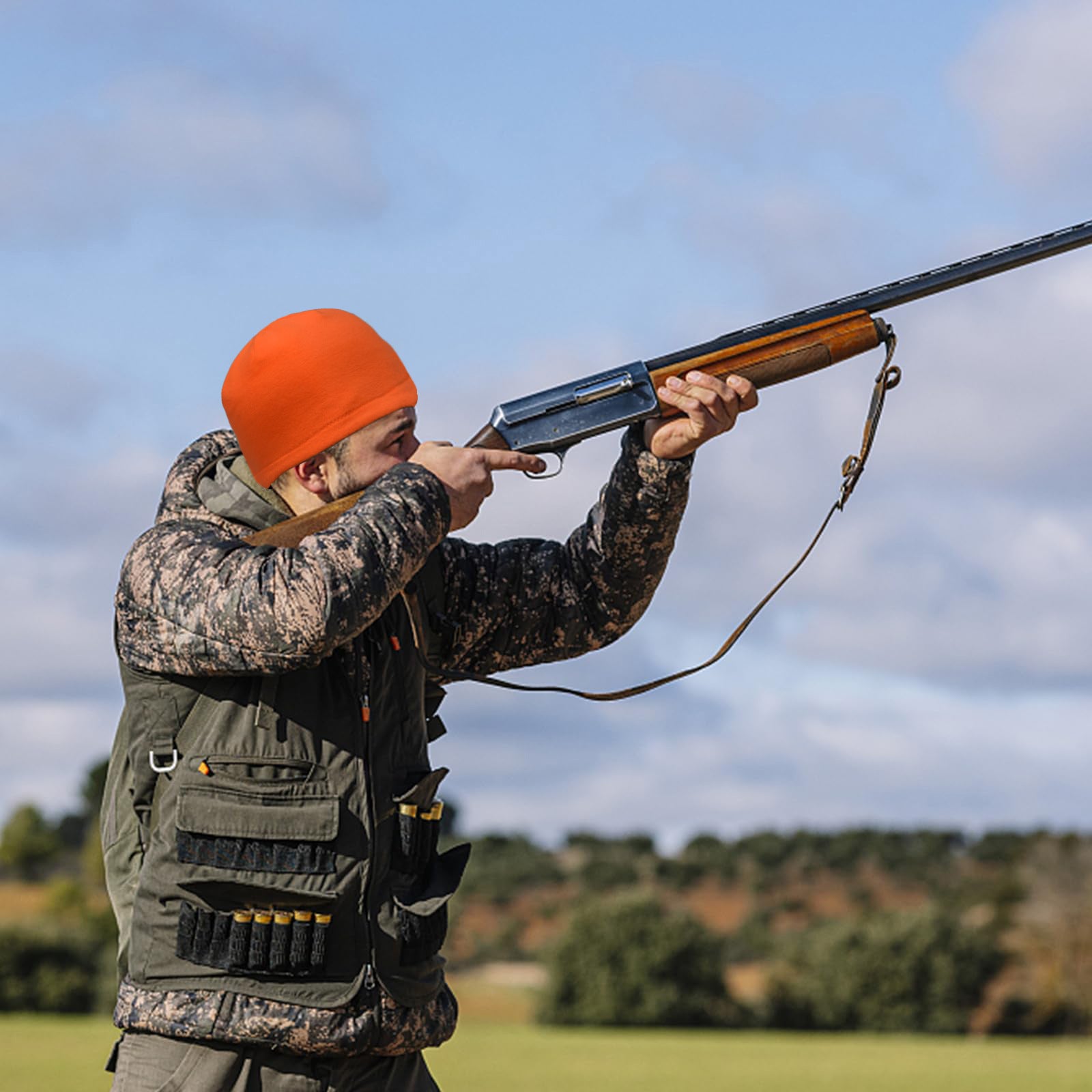
- Hunting and outdoor activities
- Autumn and winter adventures
This versatility is especially useful for men who do not want to own a different pair of shoes for every activity.
Modern hiking footwear is also becoming lighter and more versatile. Outdoor footwear guides in 2026 increasingly distinguish between traditional heavy boots, lightweight hiking boots, trail shoes, and hybrid designs depending on terrain, distance, weather, and the amount of gear being carried.
That means the best hiking boot for you depends less on what looks most rugged and more on how you actually plan to use it.
1. Hiking Boots for Weekend Adventures
For many men, hiking boots are the foundation of an outdoor footwear collection.
Whether you are planning a weekend hike, exploring a national park, walking through wooded trails, or simply spending more time outside, hiking boots provide a combination of protection, traction, and stability that ordinary sneakers may not provide.
The most important thing is to choose a boot based on your typical environment.
If your adventures involve maintained trails and relatively easy terrain, a lighter ankle boot may be all you need.
If you regularly encounter rocks, mud, steep inclines, loose ground, or uneven terrain, you may prefer a more supportive and rugged design.
What Makes a Good Hiking Boot?
Look for:
Reliable traction
A good outsole should provide dependable grip across the surfaces you are likely to encounter.
Comfort
If you are walking for several hours, comfort becomes just as important as appearance.
Ankle support
A supportive ankle structure can help provide stability on uneven terrain.
Durability
Outdoor footwear needs to withstand repeated contact with rocks, dirt, roots, and changing weather.
Weather protection
If you hike in wet conditions, consider water-resistant or waterproof construction.
The right combination depends on your individual needs.
2. Trekking Boots for Longer Outdoor Adventures
For more demanding outdoor activities, trekking boots can provide additional support and protection.
Trekking is different from a short walk in the park. You may be carrying a backpack, walking for several hours, crossing different types of terrain, or traveling through changing weather.
That makes footwear selection particularly important.
When choosing trekking boots, think about:
- How long you normally walk
- The terrain you expect to encounter
- Whether you carry a backpack
- Typical weather conditions
- Your preferred boot weight
- The level of ankle support you need
- How much cushioning you prefer
A lightweight boot can feel more natural and agile for shorter adventures, while a more structured boot may be better suited to demanding terrain or heavier loads.
There is no single “best” hiking boot for everyone.
The best choice is the one that matches your adventure.
3. Waterproof Ankle Boots: Prepare for Unpredictable Weather
Weather can change quickly when you are outdoors.
A sunny morning can turn into rain by afternoon. A dry trail can become muddy after a storm. Even everyday city walking can become uncomfortable when your footwear is not prepared for wet conditions.
That is why waterproof hiking boots and waterproof ankle boots remain popular among outdoor enthusiasts.
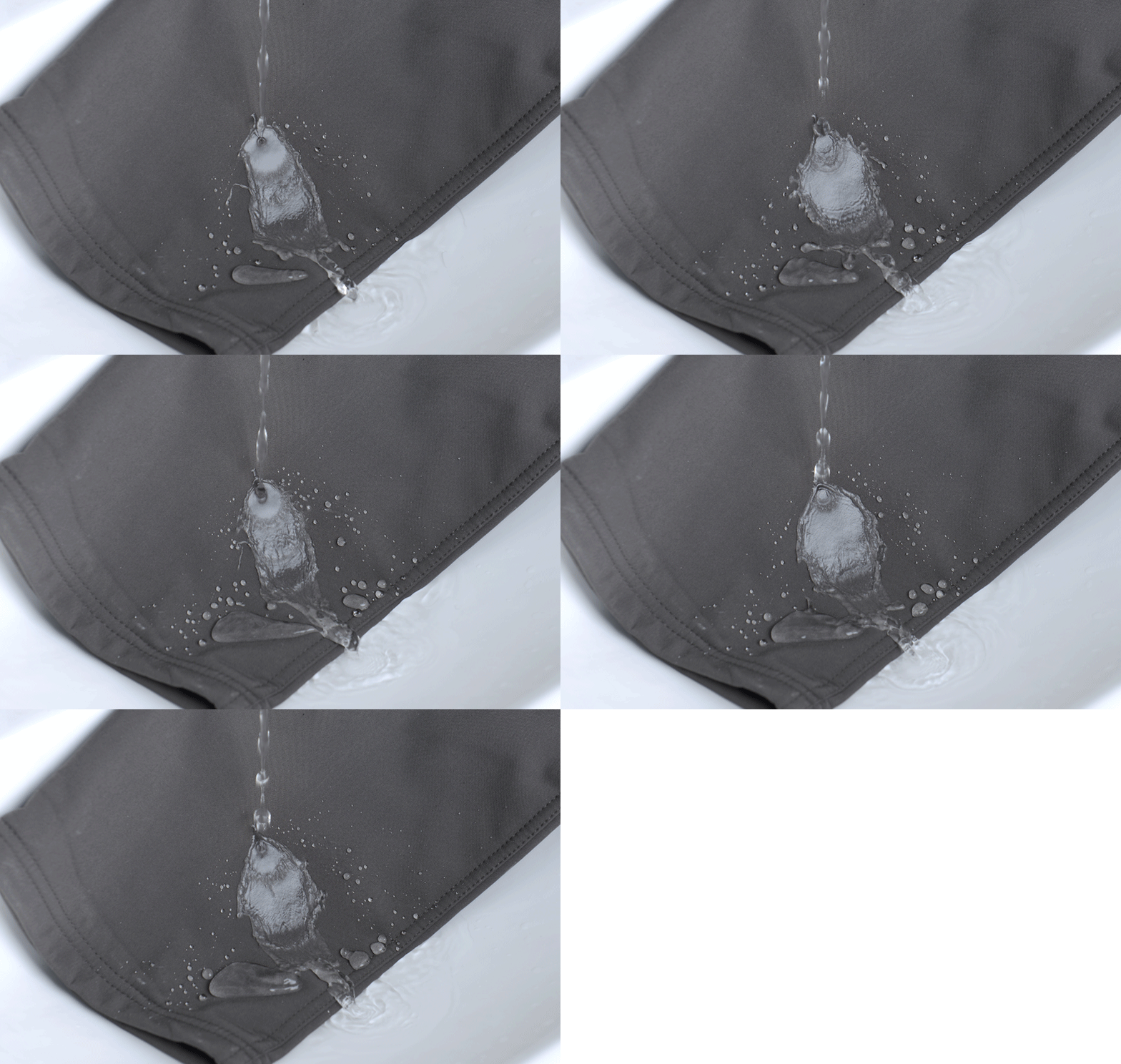
Water-resistant or waterproof footwear can help keep moisture from entering the boot, depending on the construction and conditions.
For men living in areas with frequent rain, unpredictable weather, or wet trails, this can be one of the most useful features to prioritize.
Where Waterproof Boots Make Sense
They can be useful for:
- Rainy-day walks
- Forest trails
- Hiking
- Camping
- Fishing trips
- Outdoor work
- Travel
- Wet grass
- Muddy paths
- Autumn and winter conditions
However, waterproof does not automatically mean suitable for every environment.
You should still consider breathability, temperature, terrain, and the length of your activity.
For hot-weather hiking, lightweight and breathable footwear may be more comfortable.
For colder or wetter environments, weather protection may become a higher priority.
4. Lightweight Hiking Boots: Move Further With Less
Traditional hiking boots were often heavy and rigid.
That approach still has its place, especially for demanding terrain.
But many modern hikers prefer something lighter.
The growth of lightweight hiking footwear reflects a broader change in outdoor footwear. Many hikers now choose between traditional boots, low-cut hiking shoes, trail runners, and lightweight mid-cut designs depending on the activity.
A lighter hiking boot can be especially useful for:
- Day hikes
- Travel
- Walking tours
- Light trekking
- Weekend adventures
- Mixed city-and-trail use
The advantage is simple.
Less weight can make footwear feel more natural during long periods of walking.
This is particularly appealing if you want one pair of boots that can transition from an airport to a hiking trail and then to a casual dinner.
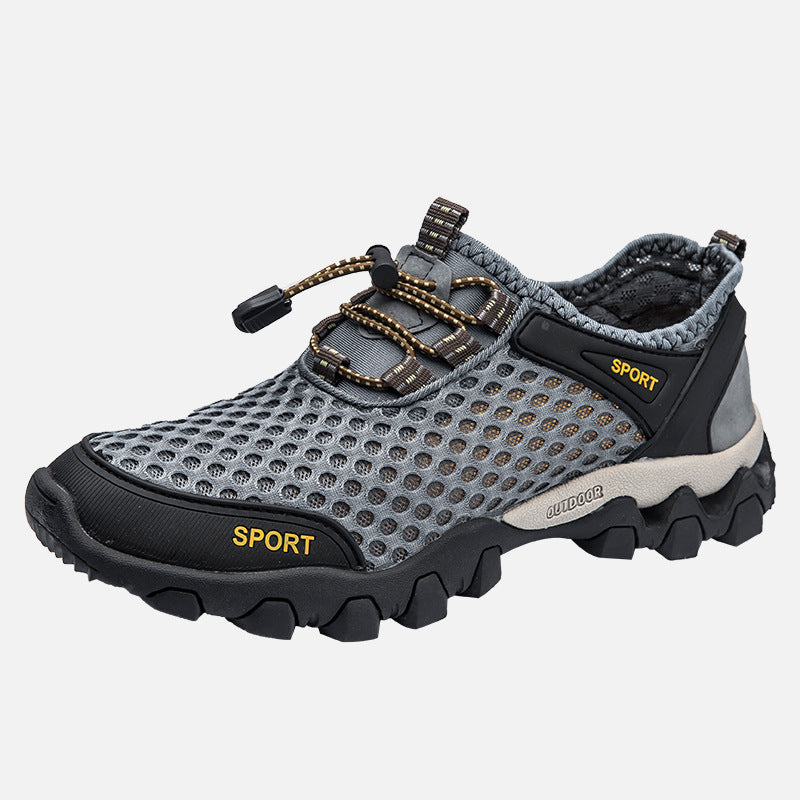
5. Sport-Inspired Ankle Boots for Everyday Outdoor Life
Not every outdoor enthusiast spends every weekend climbing mountains.
For many men, outdoor life simply means walking more, traveling more, exploring local trails, and spending time outside.
That is where sport ankle boots can be particularly useful.
Sport-inspired boots combine the rugged appearance of outdoor footwear with a more casual, everyday silhouette.
They work well with:
- Jeans
- Cargo pants
- Joggers
- Outdoor trousers
- Chinos
- Hoodies
- Casual jackets
- Technical outerwear
This makes them a natural choice for men who prefer an active lifestyle.
You can wear them on a weekend walk and then continue wearing them when you return to the city.
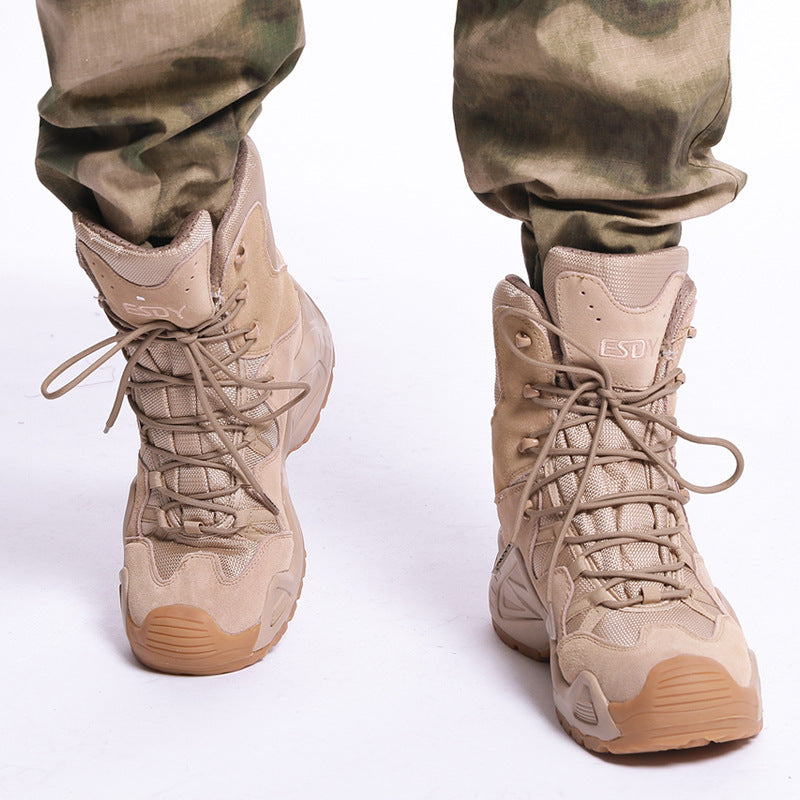
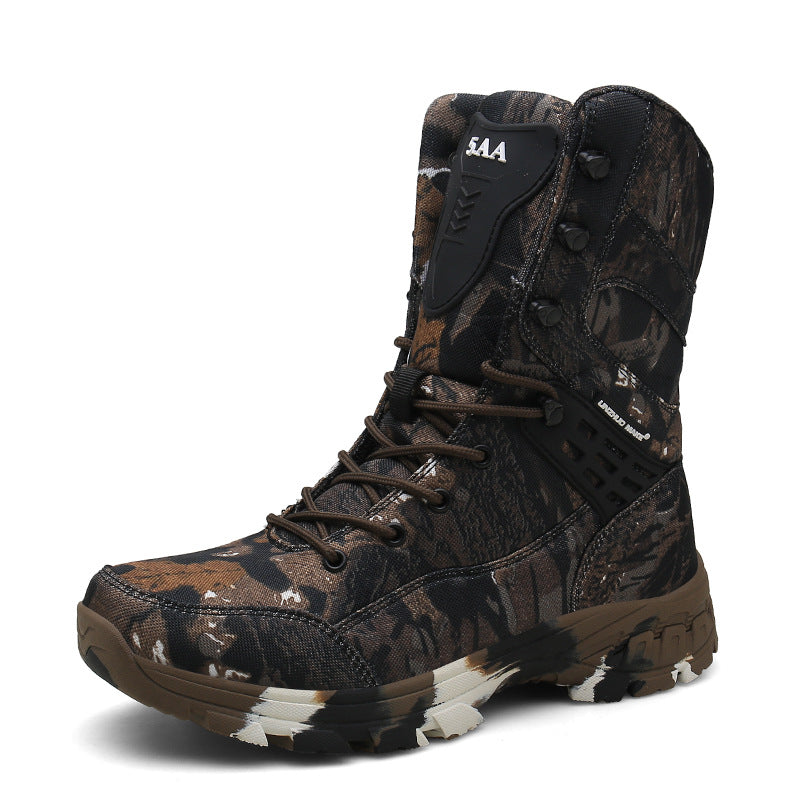
6. Tactical Hiking Boots for Rugged Outdoor Style
For men who prefer a more rugged aesthetic, tactical hiking boots offer another option.
Tactical-inspired footwear typically emphasizes durability, practicality, stability, and an outdoor-focused appearance.
They can be suitable for a variety of activities, depending on the specific product:
- Hiking
- Camping
- Hunting
- Outdoor work
- Travel
- Bushcraft
- Utility-focused activities
- Everyday rugged wear
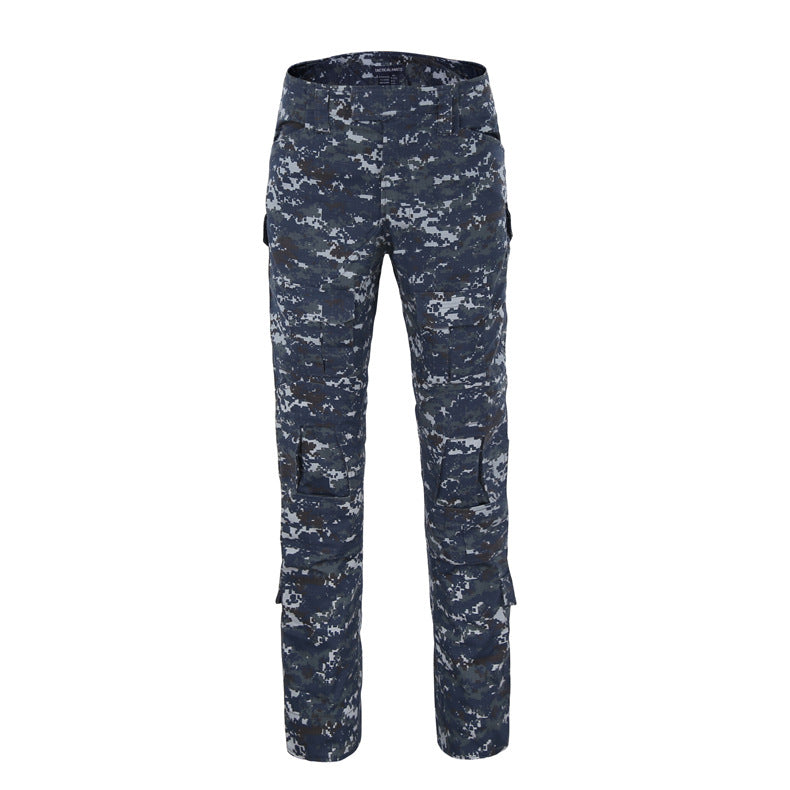
They also pair naturally with cargo pants, tactical trousers, denim, outdoor jackets, and other functional clothing.
If you prefer clothing that is practical rather than purely fashion-driven, tactical boots can be an excellent addition to your footwear collection.
7. Men’s Ankle Boots for City and Outdoor Life
One of the biggest changes in modern men's footwear is the growing overlap between outdoor and urban style.
You no longer have to save your hiking boots for the mountains.
Outdoor-inspired footwear can work surprisingly well with everyday clothing.
Try:
Hiking ankle boots + straight-leg jeans + T-shirt + overshirt
for a relaxed weekend look.
Or:
Dark outdoor boots + black jeans + sweater + casual jacket
for a cleaner city outfit.
For a more technical look:
Hiking boots + cargo pants + lightweight shell jacket
This combination creates a functional outdoor aesthetic without requiring a full head-to-toe hiking outfit.
In fact, current fashion coverage has highlighted the continued influence of hiking and utilitarian footwear in contemporary styling, with hiking-inspired boots being paired with more fashion-oriented clothing.
The key is balance.
You want the boots to add character without making the entire outfit look like technical gear.
8. How to Choose Hiking Boots for Different Terrains
Before buying a pair of men's hiking boots, think about where you will actually use them.
Easy Trails
For maintained paths, parks, and short walks, lightweight hiking shoes or ankle boots may be enough.
Focus on comfort, flexibility, and everyday versatility.
Rocky Terrain
For rocky or uneven terrain, look for a more supportive boot with a stable sole and good traction.
Muddy Trails
For wet and muddy conditions, prioritize grip and weather protection.
Long-Distance Hiking
For longer hikes, comfort becomes especially important.
Consider cushioning, fit, weight, support, and the socks you normally wear.
Mixed City and Trail Use
If you want one pair for both everyday life and weekend adventures, choose a versatile ankle boot that combines outdoor performance with a relatively clean design.
This is one of the biggest advantages of modern men's ankle boots.
9. How Should Hiking Boots Fit?
Fit is one of the most important factors when buying hiking boots.
A boot can have excellent traction and durable construction, but if it does not fit properly, long-distance walking can quickly become uncomfortable.
When trying hiking boots, consider the following:
Leave Enough Room for Your Toes
Your toes should not feel compressed.
You also want to avoid excessive movement inside the boot.
Consider Your Hiking Socks
If you normally wear thicker hiking socks, try the boots with the socks you actually plan to use.
Check Your Heel
Your heel should feel secure without excessive slipping.
Walk Before Your Adventure
If possible, spend some time walking in your new boots before taking them on a long hike.
Breaking in footwear gradually can help you identify pressure points before you are several miles from the trailhead.
Check the Size Guide
Sizing can vary between brands and styles.
Always use the specific product's size guide before ordering.
10. Hiking Boots vs. Trail Shoes: Which Should You Choose?
This is one of the most common questions among modern hikers.
The answer depends on your activity.
Choose Hiking Boots If:
- You want more ankle coverage
- You prefer a more structured boot
- You regularly walk on uneven terrain
- You carry heavier loads
- You want additional protection from the environment
Choose Trail Shoes If:
- You prioritize low weight
- You move quickly
- You hike mainly on maintained trails
- You prefer a more flexible feel
- You do not need as much ankle coverage
Neither option is automatically better.
Outdoor footwear experts increasingly emphasize choosing footwear according to terrain, distance, pack weight, weather, and personal preference rather than assuming one design works for every hiker.
That is why WildKing offers different outdoor boot styles instead of trying to create one boot for everyone.
11. What to Wear With Men’s Hiking Ankle Boots
Hiking boots are surprisingly easy to style.
For a classic outdoor look:
Hiking boots + straight jeans + flannel shirt + outdoor jacket
For a modern casual look:
Ankle boots + black jeans + sweatshirt + bomber jacket
For a technical outdoor look:
Hiking boots + cargo pants + shell jacket
For travel:
Lightweight hiking boots + chinos + T-shirt + overshirt
For autumn:
Brown or dark boots + denim + knit sweater + field jacket
The most important styling rule is simple:
Do not overthink it.
Hiking boots already have a strong visual identity.
Let them be part of the outfit rather than trying to make every piece look “outdoor.”
12. Why Now Is a Good Time to Upgrade Your Outdoor Footwear
If your current hiking boots are worn out, uncomfortable, or no longer suitable for the conditions you encounter, a new pair can make a significant difference.
Look at the outsole.
Is the tread worn down?
Check the upper.
Are there cracks, damaged seams, or excessive wear?
Think about comfort.
Do your feet feel tired after relatively short walks?
And consider your lifestyle.
Are you doing more hiking, traveling, camping, or outdoor activities than you were a few years ago?
If the answer is yes, your footwear should evolve with you.
A pair of boots that worked for occasional weekend walks may not be the best choice for longer hikes or more demanding terrain.
13. The New Generation of Men’s Hiking Boots
The latest generation of outdoor footwear is moving toward versatility.
Men increasingly want footwear that can handle different parts of their lives rather than being designed for only one specific activity.
That means:
Outdoor performance + everyday comfort
Durability + modern styling
Protection + lighter weight
Trail functionality + city versatility
This combination is shaping the next generation of hiking and trekking boots.
Recent 2026 product launches from major outdoor footwear brands are also emphasizing lighter construction, all-day comfort, responsive cushioning, secure fit systems, and reliable traction across different surfaces.
That evolution is important because modern outdoor enthusiasts are not necessarily traditional hikers.
They may be travelers.
Photographers.
Campers.
Dog walkers.
Hunters.
Weekend explorers.
Commuters.
Or simply men who enjoy spending more time outside.
Your boots should work for your lifestyle.
Find Your Next Pair of Men’s Ankle Boots at WildKing
A great pair of boots should make you want to go further.
Whether you are planning your next weekend hike, preparing for an outdoor trip, exploring a new trail, or simply looking for a rugged everyday boot, choosing the right footwear can change the experience.
WildKing's latest collection is designed for men who value adventure, versatility, comfort, and rugged style.
Explore different options for different needs, including:
- Men’s hiking boots
- Trekking boots
- Waterproof outdoor boots
- Lightweight hiking boots
- Tactical hiking boots
- Sport ankle boots
- Outdoor ankle boots
- Adventure boots
- Everyday hiking-inspired boots
You do not need to be a professional hiker to appreciate good outdoor footwear.
You just need a reason to get outside.
Explore the Latest WildKing Hiking & Trekking Boots
Ready for your next adventure?
Discover the latest WildKing Men’s Hiking & Trekking Boots and find a pair designed around the way you move.
Whether you need lightweight footwear for weekend walks, rugged boots for challenging trails, waterproof protection for unpredictable weather, or an outdoor-inspired ankle boot for everyday wear, explore the collection and find your next pair.
Shop WildKing Men’s Hiking & Trekking Boots
From city streets to forest trails, from weekend trips to everyday adventures—
Step Outside. Go Further. Step Into WildKing.
