

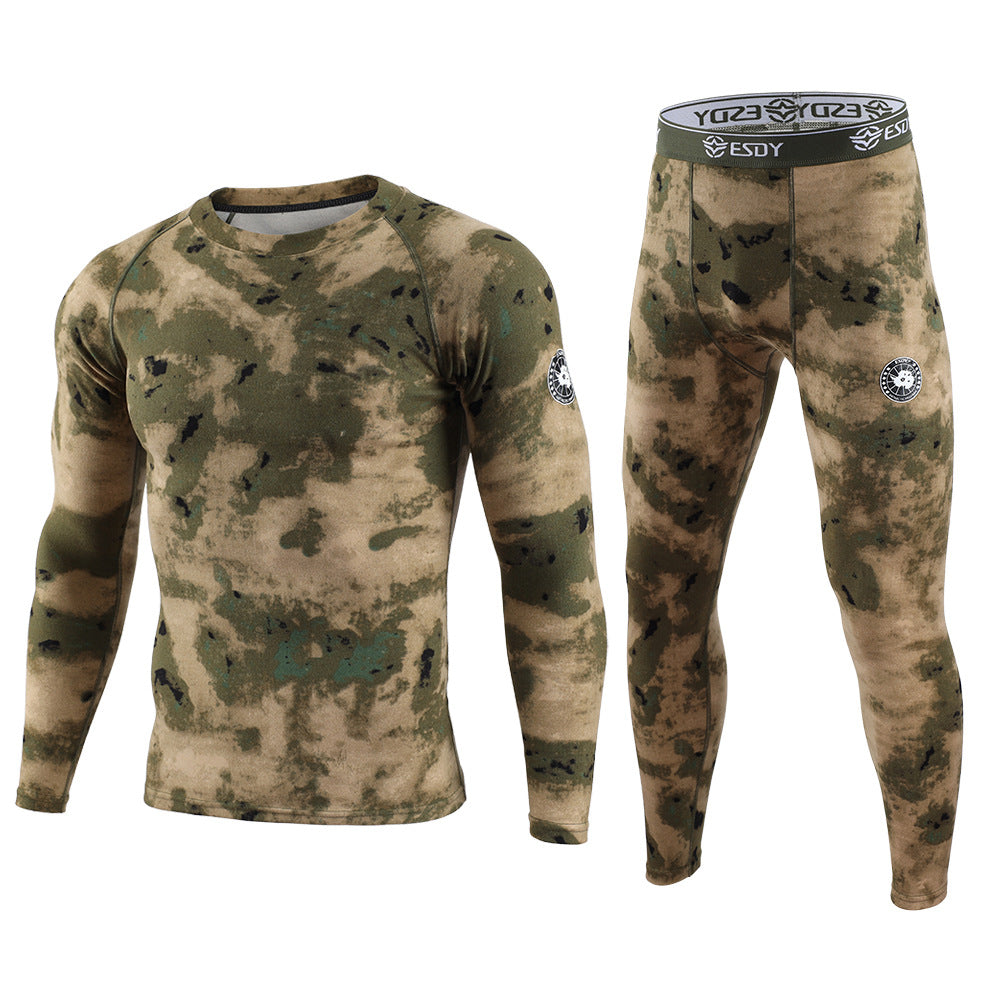
How to Choose the Best Men's Base Layer Sets for Cold Weather: A Complete Winter Layering Guide
Many people believe that wearing a thick winter jacket is enough to stay warm. However, effective cold-weather protection begins with the clothing closest to your skin: your base layer.
A high-quality men's base layer set helps manage moisture, retain body heat, and improve comfort during outdoor activities. Without a suitable base layer, sweat can accumulate against your skin, leaving you feeling cold and uncomfortable when your activity level decreases.
In this guide, we will explain how base layers work, which materials and features to look for, and how to build an effective winter layering system for different outdoor activities.
1. What Is a Base Layer and Why Is It Important?
A base layer is the first layer of clothing worn directly against your skin. It typically consists of a long-sleeve thermal top and a pair of thermal bottoms.
Unlike ordinary clothing, performance base layers are designed to help regulate body temperature and manage moisture.
The main benefits of wearing a thermal base layer include:
-
Helping retain body heat in cold environments.
-
Moving moisture away from the skin.
-
Reducing discomfort caused by sweat.
-
Providing additional coverage during winter activities.
-
Supporting freedom of movement.
-
Improving comfort underneath outdoor clothing.
When you exercise or perform outdoor activities, your body naturally produces sweat. If that moisture remains trapped against your skin, you may begin to feel cold when you stop moving.
A moisture-wicking base layer helps address this problem by transferring sweat away from the skin, allowing moisture to evaporate more effectively under suitable conditions.
For outdoor enthusiasts, a reliable base layer is an essential part of winter clothing.
2. Understanding the Three-Layer Clothing System
One of the most effective ways to dress for cold weather is to use a three-layer clothing system.
Rather than relying on one extremely thick garment, layering allows you to adjust your clothing according to temperature, weather conditions, and activity level.
Base Layer: Moisture Management
The base layer sits directly against your skin. Its primary function is to manage perspiration and help maintain comfort.
Thermal underwear, moisture-wicking shirts, and thermal leggings are common examples.
Mid Layer: Insulation
The middle layer helps retain body heat.
Fleece jackets, insulated vests, and lightweight insulated jackets are popular choices for winter outdoor activities.
The thickness of your mid layer should depend on the temperature and how physically active you expect to be.
Outer Layer: Weather Protection
The outer layer provides protection against wind, rain, and snow.
Waterproof jackets, windproof jackets, and outdoor shell clothing help protect the insulating layers underneath.
Combining these three layers allows you to adapt to changing conditions without unnecessarily restricting movement.
3. What Makes a Good Men's Thermal Base Layer?
Not all thermal underwear offers the same performance. Before choosing a men's base layer set, consider the following features.
Moisture-Wicking Performance
Moisture management is especially important during hiking, skiing, hunting, and outdoor work.
Look for materials designed to transfer perspiration away from your skin. This can help reduce the uncomfortable feeling of damp clothing during physical activity.
Quick-Drying Fabric
Quick-drying thermal underwear is particularly useful for activities that involve alternating between movement and rest.
Clothing that remains wet for extended periods can contribute to discomfort and heat loss in cold environments.
Thermal Insulation
For colder conditions, consider base layers with thicker fabrics, brushed interiors, or fleece construction.
These designs can provide additional insulation, particularly during low-intensity outdoor activities.
Stretch and Flexibility
Your base layer should move naturally with your body.
Stretch fabrics are particularly beneficial when climbing, hiking, bending, sitting, or performing outdoor tasks that require unrestricted movement.
Comfortable Fit
A thermal base layer should fit relatively close to the body without feeling restrictive.
Excessively loose clothing may reduce effective moisture management, while overly tight clothing can cause discomfort during prolonged wear.
4. Which Base Layer Material Is Best for Winter?
Different materials offer different advantages. Understanding these differences can help you select the right thermal underwear for your needs.
|
Material |
Main Benefits |
Best For |
|---|---|---|
|
Polyester |
Quick drying and moisture management |
Hiking, skiing and active outdoor sports |
|
Merino Wool |
Temperature regulation and natural odor resistance |
Travel and multi-day outdoor activities |
|
Fleece |
Soft texture and additional insulation |
Cold-weather camping and stationary activities |
|
Nylon Blends |
Durability and flexibility |
Outdoor work and frequent movement |
|
Cotton |
Soft and comfortable when dry |
Casual indoor and low-intensity activities |
Cotton is generally less suitable for strenuous winter activities because it absorbs moisture and can take longer to dry.
Synthetic performance fabrics are often a practical choice for outdoor enthusiasts who need quick-drying clothing that is easy to maintain.
For colder, less active situations, fleece thermal underwear may provide additional comfort.
Always consider the fabric composition of an individual product before purchasing.
5. Lightweight vs. Midweight vs. Heavyweight Base Layers
Choosing the correct fabric weight is just as important as choosing the right material.
Lightweight Base Layers
Lightweight thermal clothing is ideal for activities that generate significant body heat.
Common uses include trail running, fast-paced hiking, cycling, and other high-intensity outdoor sports.
The priority is moisture management rather than maximum insulation.
Midweight Base Layers
Midweight thermal underwear provides a balance between warmth and breathability.
It is a versatile option for winter hiking, skiing, camping, traveling, and everyday cold-weather wear.
Heavyweight Base Layers
Heavyweight or fleece-lined thermal underwear is often better suited to colder environments and activities involving limited movement.
Winter fishing, stationary hunting, cold-weather camping, and outdoor work may benefit from additional insulation.
However, wearing excessively thick base layers during intense exercise can lead to overheating and unnecessary sweating.
The best base layer is not always the thickest one. It is the one that matches your activity and weather conditions.
6. Best Base Layers for Different Outdoor Activities
Different outdoor activities require different approaches to winter clothing.
Winter Hiking
Hiking generates body heat, particularly when walking uphill or carrying a backpack.
A moisture-wicking, quick-drying base layer combined with an adjustable mid layer is generally a practical choice.
Avoid overdressing at the beginning of a hike. Your body will often warm up once you start moving.
Hunting
Hunting frequently involves a combination of walking and extended periods of sitting or standing.
Camouflage thermal underwear and insulated base layers can be useful components of a hunting clothing system.
Choose a base layer that balances moisture management during movement with appropriate insulation during rest periods.
Skiing and Snowboarding
Winter sports require clothing that supports movement and manages perspiration.
Stretch thermal underwear can provide flexibility beneath ski jackets and snow trousers.
Quick-drying materials are particularly useful when activity levels change throughout the day.
Winter Camping
Temperatures can drop significantly after sunset, especially in exposed environments.
A warm thermal base layer can provide an additional insulating layer beneath camping clothing.
Consider keeping a separate dry base layer for sleeping if your daytime clothing becomes damp.
Outdoor Work
Construction, farming, gardening, and other outdoor jobs may require prolonged exposure to cold weather.
Comfortable thermal underwear can provide additional warmth beneath work clothing without requiring several bulky garments.
For occupations with specific protective clothing requirements, always follow the relevant workplace safety standards.
7. Discover WildKing Men's Thermal Base Layer Sets
At WildKing, we understand that outdoor clothing needs to be practical, comfortable, and adaptable to different environments.
Our base layer collection includes thermal clothing options for winter activities, everyday outdoor wear, hunting, and active lifestyles.
WildKing G4 New Warm Base Layer Set
A thermal set to consider for everyday winter layering, cold-weather travel, and general outdoor activities.
WildKing G14 Insulated Stretch Base Layer Set
Combines an insulated design with stretch construction for shoppers who prioritize warmth and freedom of movement.
WildKing Q110 Tactical Fleece Thermal Underwear Set
A fleece thermal clothing option for those looking for additional insulation during colder outdoor activities.
WildKing Q214 Thermal Quick-Drying Underwear Set
Designed around thermal comfort and moisture management, making it an option for active outdoor use.
WildKing G3.0 Camo Thermal Base Layer Set
Combines a camouflage appearance with quick-drying and sweat-wicking features for outdoor clothing systems.
From insulated stretch designs to tactical fleece and camouflage thermal underwear, WildKing offers different base layer options to help you build a winter wardrobe around your activities.
Explore the WildKing Men's Base Layer Sets Collection
8. How Should Thermal Underwear Fit?
One of the most common mistakes when buying men's thermal underwear is choosing the wrong size.
A base layer should generally fit closer to the body than ordinary casual clothing.
This allows the fabric to maintain contact with the skin and support moisture management.
When choosing your size, make sure that:
-
Your shoulders and arms can move freely.
-
The waistband feels secure without excessive pressure.
-
The sleeves provide sufficient wrist coverage.
-
The trousers allow comfortable bending and walking.
-
The clothing fits comfortably beneath additional layers.
-
There are no uncomfortable pressure points.
Always refer to the product's individual size chart before purchasing, particularly when ordering outdoor clothing online.
A correctly fitted base layer should feel like a comfortable second skin rather than restrictive clothing.
9. Common Winter Layering Mistakes to Avoid
Even experienced outdoor enthusiasts sometimes make mistakes when dressing for cold weather.
Wearing Too Many Layers
More clothing does not always mean more comfort.
Excessive insulation during physical activity can cause overheating and increased sweating. When you stop moving, damp clothing may make you feel colder.
Wearing Cotton as Your Primary Base Layer
Cotton can absorb and retain moisture, making it less practical for demanding cold-weather activities.
Consider performance fabrics when you expect to sweat.
Ignoring Wind Protection
Even a warm thermal base layer may not provide enough protection against strong winds.
Combine your thermal clothing with a suitable wind-resistant outer layer.
Choosing the Wrong Fabric Thickness
A heavyweight fleece base layer may be comfortable while sitting outdoors but too warm during intense uphill hiking.
Match your thermal clothing to your expected activity level.
Forgetting to Change Damp Clothing
If your clothing becomes wet, change into dry layers when possible, particularly before resting in cold environments.
10. How to Wash and Care for Thermal Base Layers
Proper care can help maintain the comfort and performance of your thermal clothing.
Always follow the care instructions provided on the garment label.
For many synthetic thermal garments, the following practices are helpful:
-
Wash in cold or lukewarm water.
-
Use a mild detergent.
-
Avoid bleach and harsh cleaning products.
-
Avoid fabric softeners when caring for moisture-wicking clothing.
-
Air-dry when appropriate.
-
Avoid excessive heat during washing and drying.
-
Store your clothing in a clean, dry environment.
Taking care of your base layers can help preserve fabric elasticity, softness, and overall functionality.
11. Frequently Asked Questions About Men's Base Layer Sets
What is the difference between thermal underwear and base layers?
Thermal underwear generally refers to clothing designed to provide additional warmth.
Performance base layers may also focus on moisture management, quick drying, breathability, and flexibility during physical activity.
Are base layers supposed to be tight?
Base layers should normally fit snugly against your body without restricting movement or causing discomfort.
A close fit helps support moisture management.
What is the warmest base layer for winter?
Heavyweight thermal underwear and fleece-lined base layers generally provide more insulation than lightweight performance clothing.
However, warmth also depends on your complete layering system, activity level, and environmental conditions.
Can you wear thermal underwear every day?
Yes. Comfortable thermal underwear can be worn beneath everyday clothing during winter, provided it suits the temperature and your activity level.
What is the best base layer for hunting?
A suitable hunting base layer should balance warmth, moisture management, flexibility, and comfort.
Camouflage thermal clothing can also complement other hunting apparel.
Do base layers keep you warm even when you sweat?
Moisture-wicking base layers can help move sweat away from your skin, reducing dampness and improving comfort.
However, they cannot eliminate heat loss entirely, and additional insulation may still be necessary.
Should I wear a shirt under my thermal base layer?
Generally, no. Performance base layers are designed to sit directly against the skin for effective moisture management.
Wearing a conventional cotton shirt underneath may interfere with this function.
Can I wear a base layer without a jacket?
Yes, in mild conditions. Some thermal tops can be worn independently during exercise or casual activities.
In colder, windy, or wet environments, additional clothing layers are recommended.
Final Thoughts: Build a Better Winter Layering System
Staying comfortable outdoors during winter starts with choosing the right clothing closest to your skin.
A suitable men's thermal base layer set can help manage moisture, provide additional warmth, and support comfortable movement during outdoor activities.
Whether you enjoy hiking, hunting, skiing, camping, or simply spending time outdoors, choosing a base layer that matches your activity can improve your overall winter experience.
At WildKing, our collection of men's thermal underwear and outdoor base layer sets offers a range of options for different cold-weather needs.
Prepare for your next winter adventure with clothing that works with your outdoor lifestyle.
Stay Warm. Stay Comfortable. Explore Further with WildKing.
