





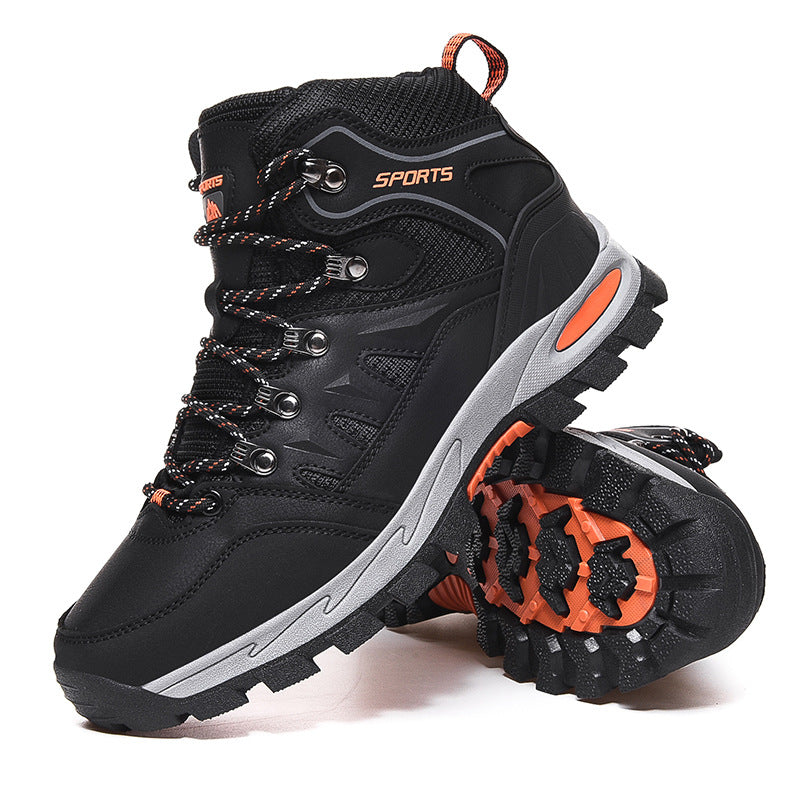
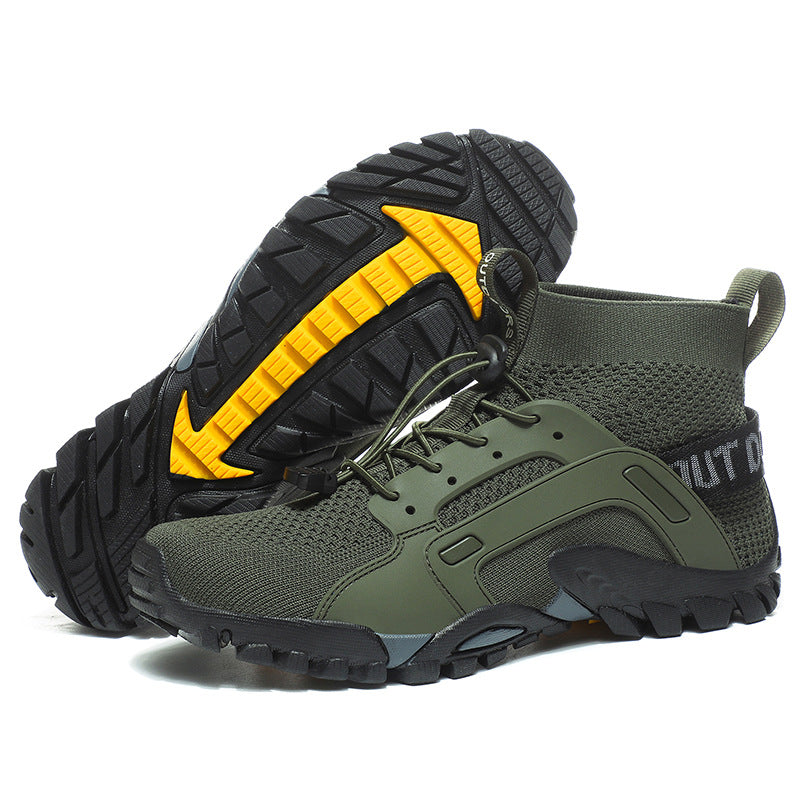
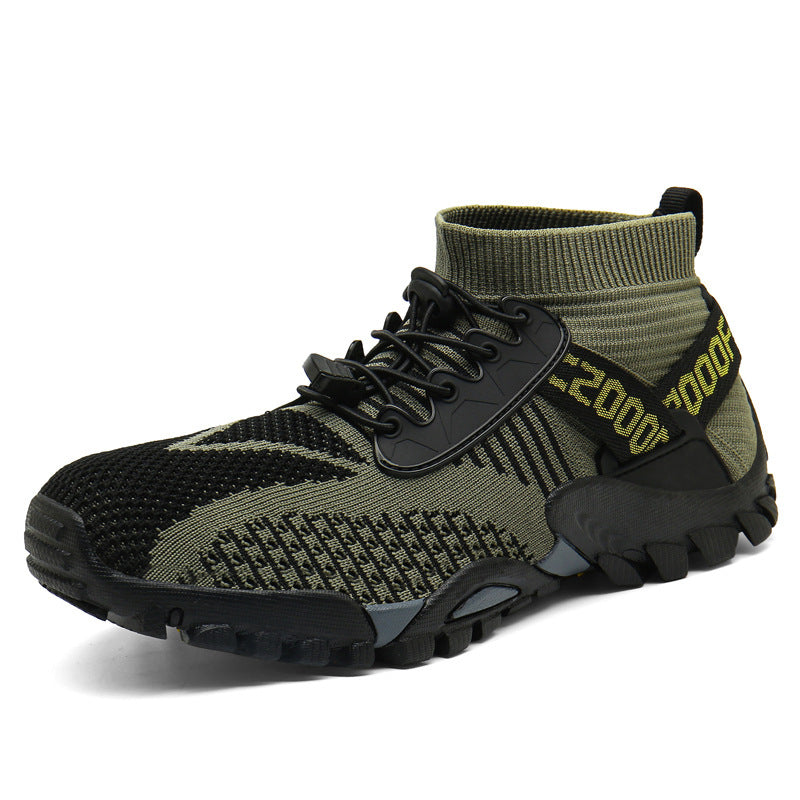
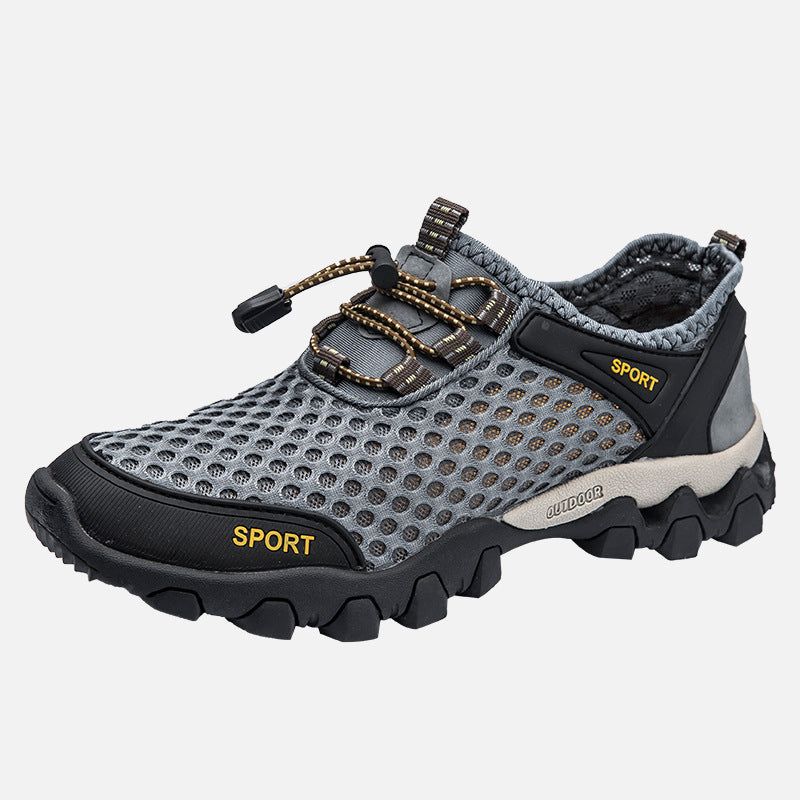
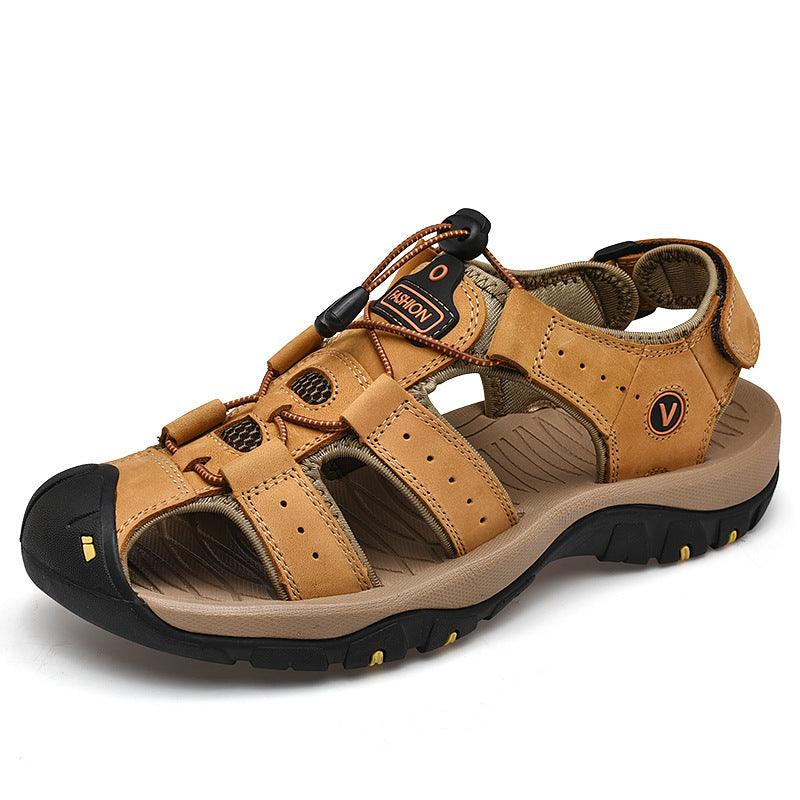

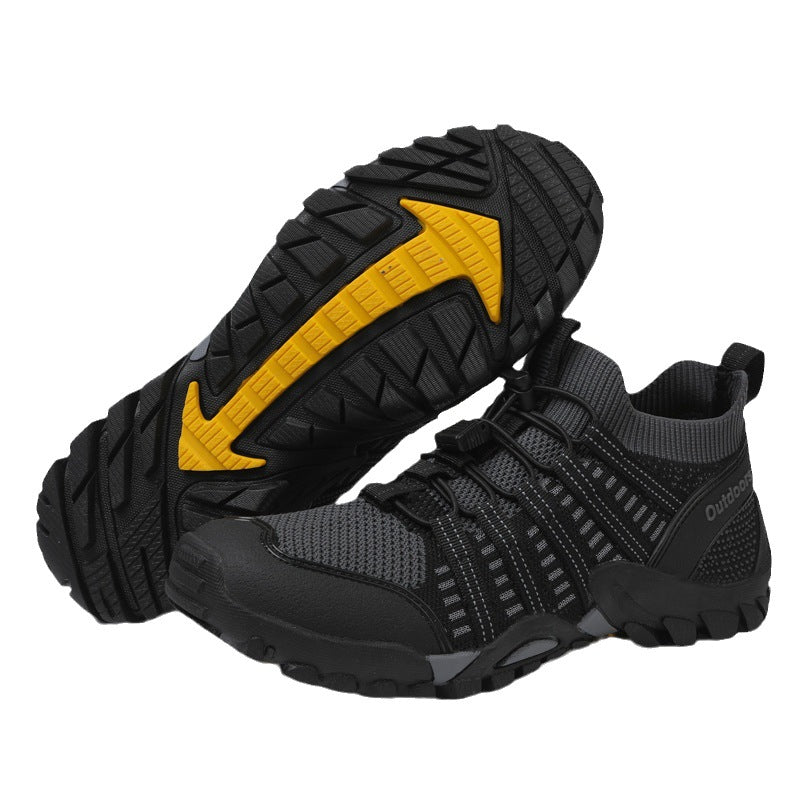
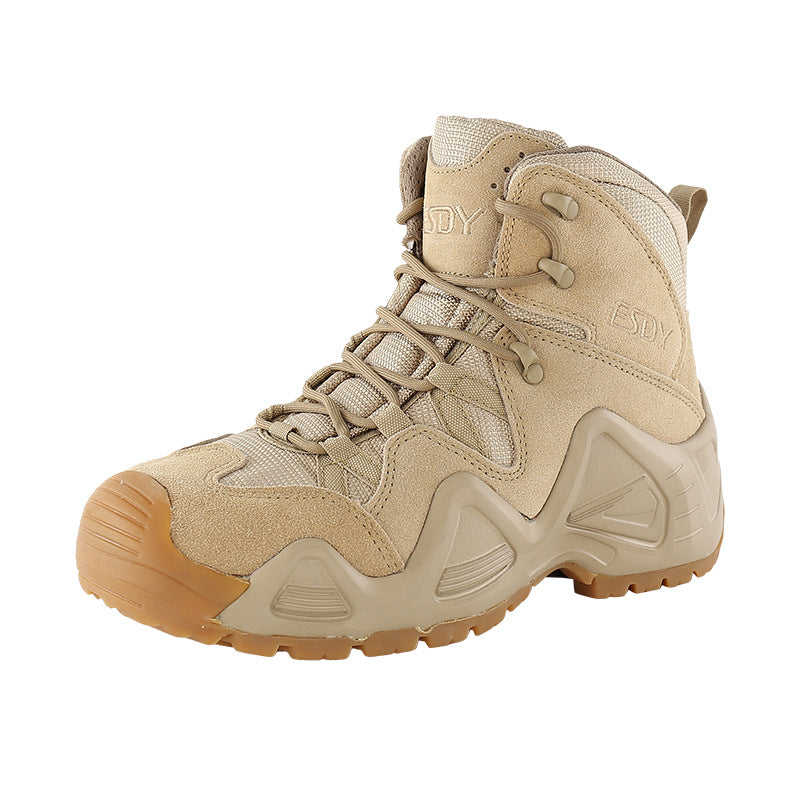
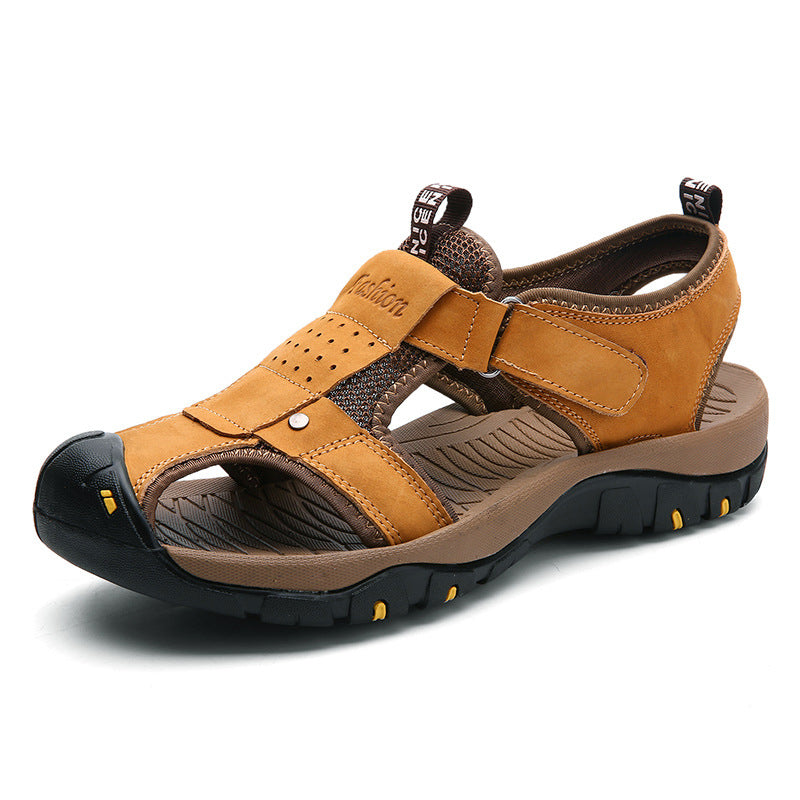
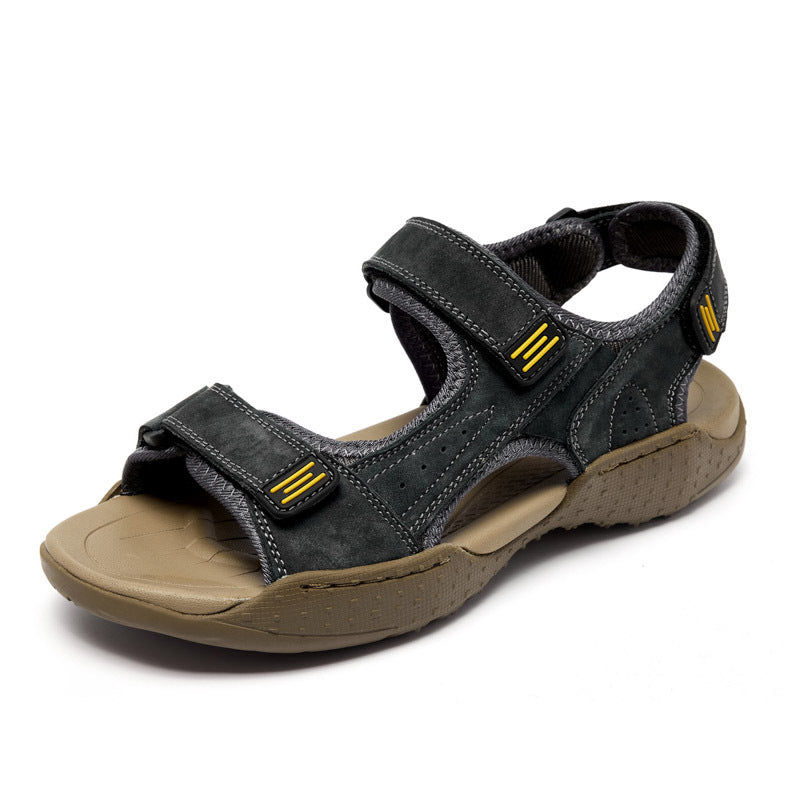
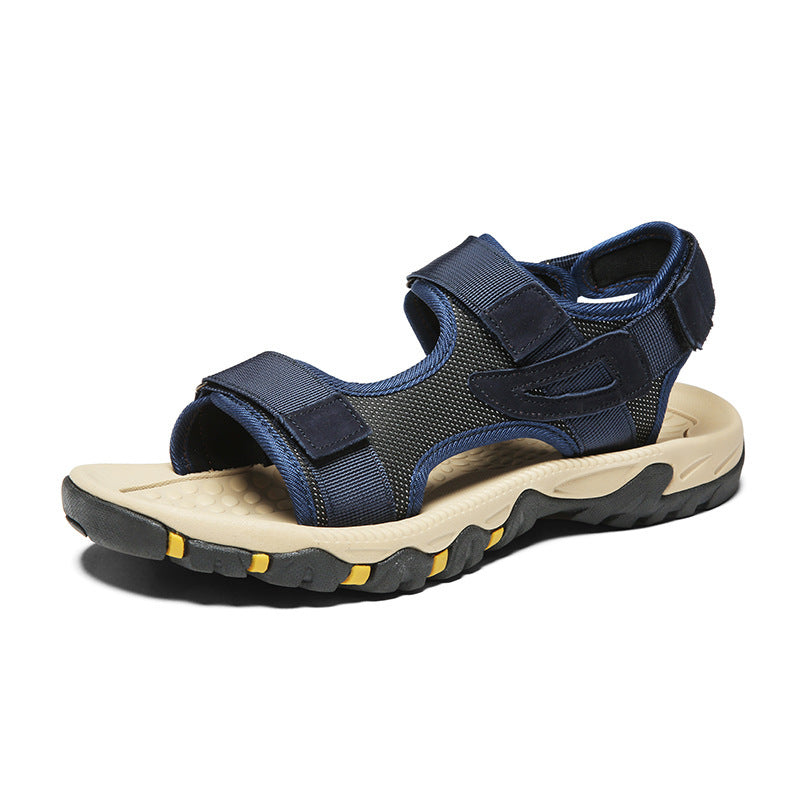
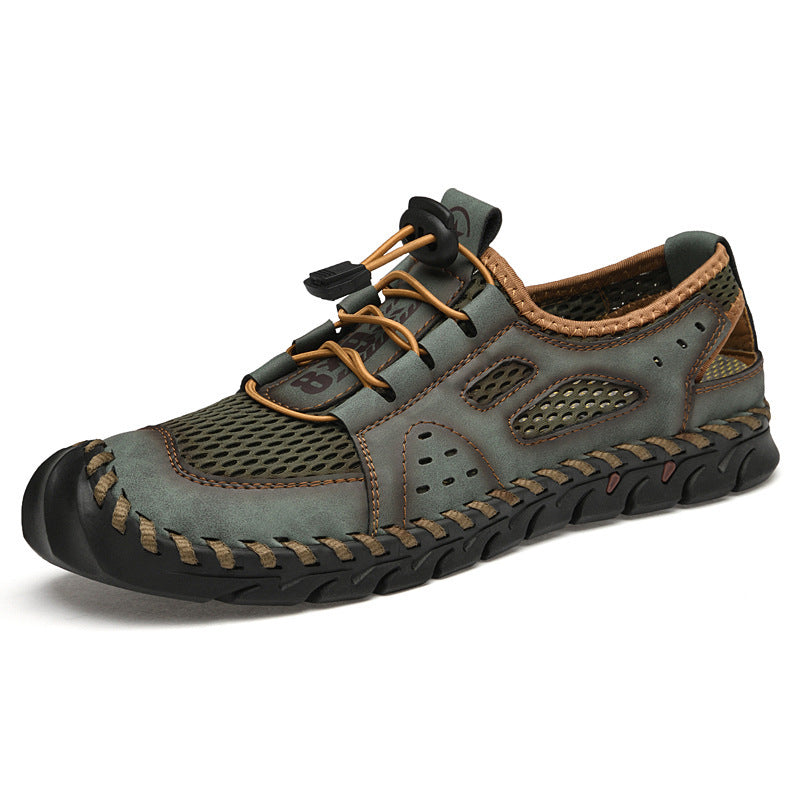
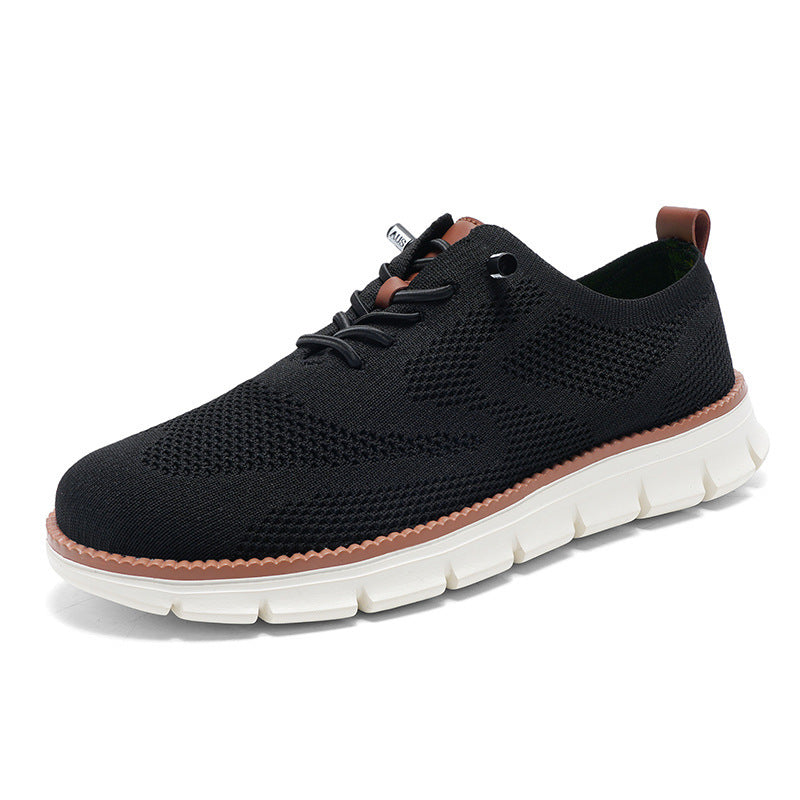
Steel Toe vs. Soft Toe Work Boots: Which Is Better for Comfort, Safety, and Everyday Wear?
One of the most common questions workers ask is simple: Are steel toe boots better than soft toe work boots?
The answer depends on your workplace hazards, job requirements, and personal comfort needs.
Steel toe boots are designed to provide a specific type of toe protection. Soft toe boots generally prioritize everyday flexibility and comfort without a safety-rated protective toe cap.
In this guide, we'll compare steel toe vs. soft toe work boots, explain their advantages and limitations, and help you understand what to look for before buying your next pair.
1. What Are Steel Toe Work Boots?
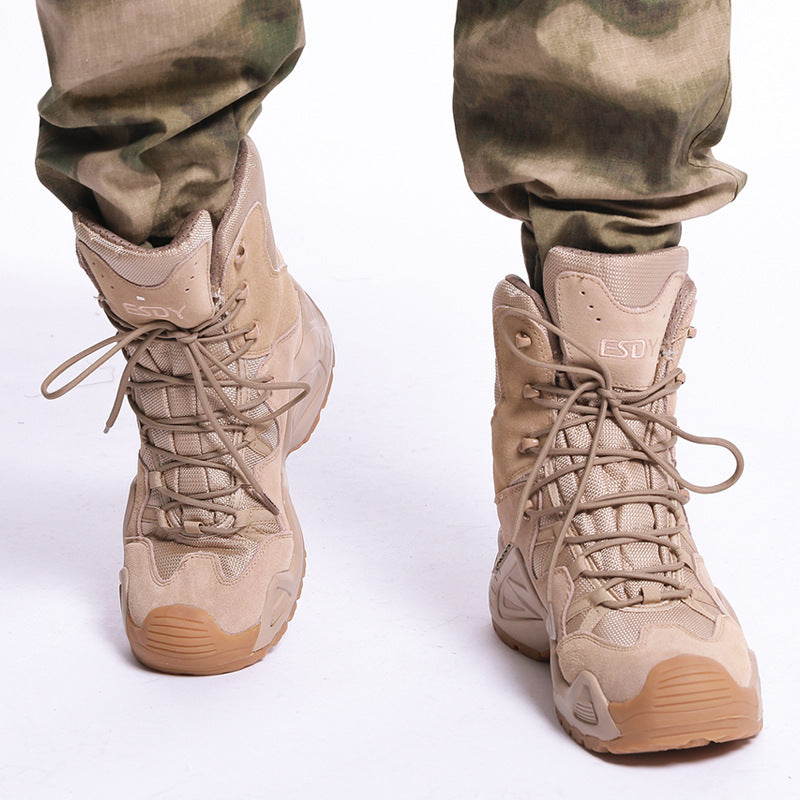
Steel toe work boots contain a protective steel cap within the front of the shoe.
This component is designed to help protect the toes from impact and compression hazards when the footwear meets the relevant safety standard.
Steel toe footwear is commonly associated with:
-
Construction sites.
-
Manufacturing facilities.
-
Industrial warehouses.
-
Heavy equipment operations.
-
Maintenance environments with falling or rolling objects.
However, not every boot advertised as having a steel toe is necessarily certified for workplace use.
In the United States, safety footwear should be selected according to applicable workplace requirements and verified protective ratings.
For example, ASTM F2413 is a recognized specification for protective safety-toe footwear.
Always confirm the exact certification and markings when protective footwear is required.
2. What Are Soft Toe Work Boots?
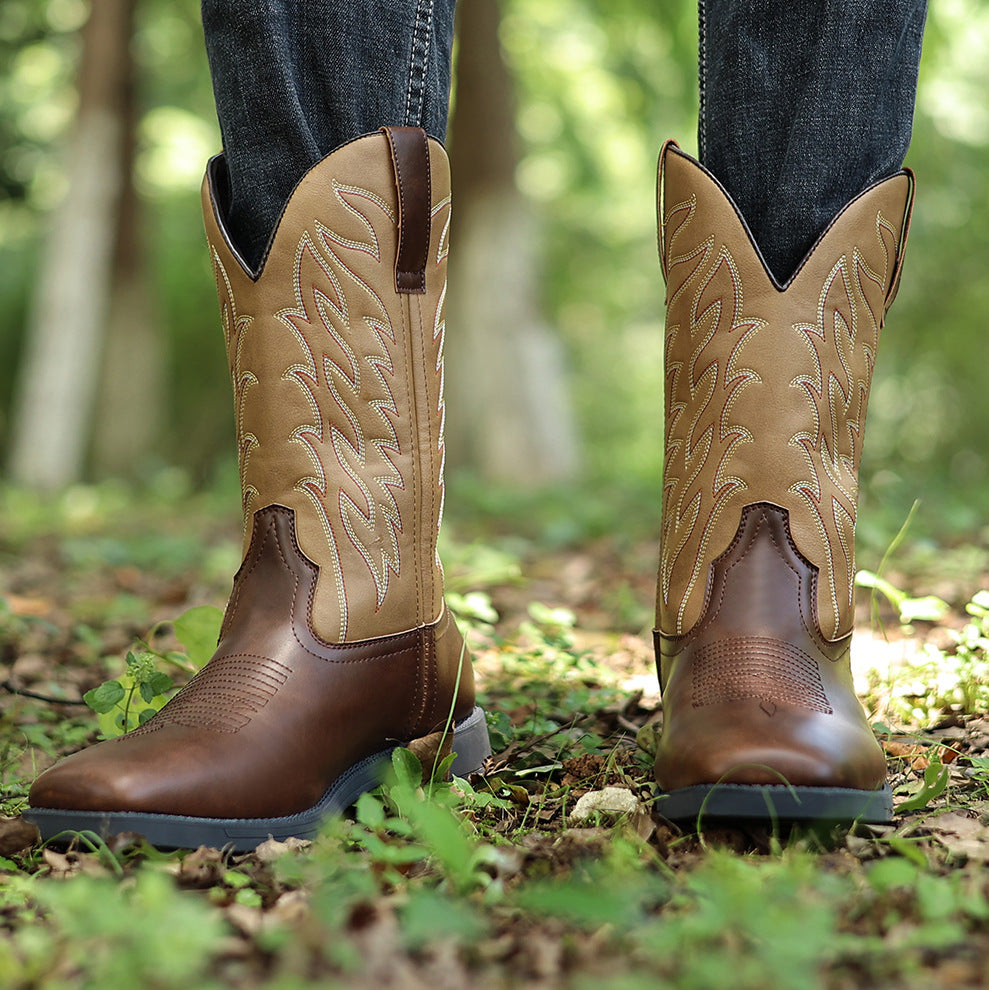
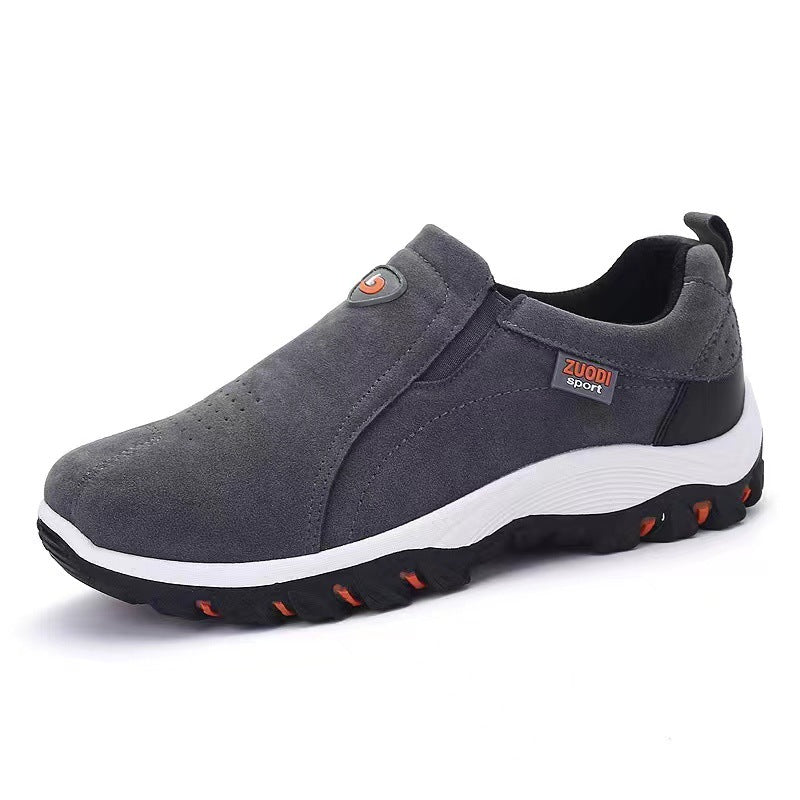
Soft toe work boots are boots without a protective safety-toe cap.
They may feature durable uppers, reinforced stitching, slip-resistant outsoles, and comfortable cushioning.
Some workers prefer them because they can feel more flexible or less restrictive than certain safety-toe designs.
Soft toe boots are commonly considered for:
-
Light-duty maintenance.
-
General outdoor work.
-
Landscaping tasks without identified impact hazards.
-
Casual workplace activities.
-
Everyday outdoor wear.
However, soft toe work boots are not appropriate substitutes when a workplace requires certified impact-resistant or compression-resistant safety footwear.
Their protective abilities depend on their individual construction.
3. Steel Toe vs. Soft Toe Boots: Key Differences
Toe Protection
The most important difference is toe protection.
Steel toe boots with verified safety ratings are designed to protect against specified impact and compression hazards.
Soft toe boots lack this protective cap.
If your work exposes you to falling tools, heavy materials, or rolling equipment, protective-toe footwear may be required.
A soft toe boot should not be selected simply because it feels more comfortable.
Weight
Steel toe boots are often associated with heavier construction.
However, weight depends on the entire boot, including the upper, midsole, outsole, lining, and protective components.
A lightweight steel toe safety shoe may weigh less than a bulky soft toe work boot.
Compare actual product weights whenever possible rather than making assumptions based on toe type alone.
Comfort
Comfort varies significantly between models.
A properly fitted steel toe boot can be comfortable during long work shifts.
Likewise, a poorly fitted soft toe boot may cause pressure, rubbing, or fatigue.
Pay attention to:
-
Toe-box width.
-
Arch and midsole support.
-
Heel fit.
-
Cushioning.
-
Breathability.
-
Overall flexibility.
Workers who spend long hours standing should prioritize fit and appropriate support in addition to safety.
Flexibility
Soft toe footwear may offer greater flexibility in the forefoot, depending on its construction.
Some modern safety shoes combine protective toe caps with athletic-inspired designs, making them more flexible than traditional heavy work boots.
Consider how often your job requires kneeling, climbing, walking, or changing positions.
Cost
Pricing varies across both categories.
Protective components, certified construction, waterproofing, premium materials, and outsole technologies can influence cost.
The best value comes from choosing footwear that meets your actual requirements and remains comfortable during regular use.
4. When Are Steel Toe Boots Necessary?
In many workplaces, protective footwear requirements are determined by a hazard assessment.
Under OSHA's general industry foot protection standard, employers must ensure appropriate protective footwear is used when identified hazards could cause foot injuries from falling or rolling objects, sole penetration, or relevant electrical exposure.
The correct footwear depends on the hazard.
Steel toe protection addresses certain toe impact and compression risks, but does not automatically provide puncture resistance, electrical hazard protection, or other specialized protection.
For example, a worker handling heavy equipment may need safety-toe protection, while someone working around exposed nails may also require suitable puncture-resistant construction.
Before buying boots for occupational use, confirm:
-
Your employer's footwear policy.
-
Required safety standards.
-
Toe protection requirements.
-
Slip-resistance requirements.
-
Any electrical or puncture-related hazards.
Never assume that a product is certified simply because it is marketed as a safety shoe or described as indestructible.
5. Are Steel Toe Boots Comfortable for All-Day Wear?
They can be.
Modern work footwear includes a variety of designs intended to improve comfort while maintaining protective features.
But the protective toe cap should not press against your toes during normal movement.
When selecting steel toe boots, focus on several important characteristics.
A Properly Sized Toe Box
Your toes should have enough room to move without contacting the protective cap during walking or crouching.
Unlike some soft materials, a steel toe cap will not stretch to accommodate an incorrect fit.
Supportive Insoles
Cushioned insoles may improve comfort, particularly when spending long periods on hard surfaces.
If replacing the original insoles, make sure the replacement does not interfere with fit or certification requirements.
Suitable Outsoles
Construction sites, warehouses, and workshops can involve different floor conditions.
Choose an outsole appropriate for your environment and review any applicable slip-resistance test results.
Breathable Materials
Heat and moisture buildup may become uncomfortable during long shifts.
Breathable linings and appropriate socks can help manage moisture.
Waterproof construction may be useful outdoors but can feel warmer than highly breathable materials.
6. Steel Toe vs. Composite Toe: What's the Difference?
Another common alternative is the composite safety toe.
Composite protective caps may use non-metal materials such as fiberglass or reinforced polymers.
Depending on their construction, composite toe footwear may offer advantages in weight or temperature comfort.
However, both steel and composite toe designs can meet relevant safety standards.
The important factor is the certified protective performance of the complete footwear, not simply the material used in the cap.
If your workplace has metal-detection requirements, confirm the suitability of the entire shoe. A composite toe does not guarantee that every other component is metal-free.
7. Which Work Boots Are Best for Different Jobs?
Construction Workers
Consider footwear with verified safety-toe protection and any additional hazard-specific features required on site.
Warehouse Workers
Workers who handle pallets, machinery, or heavy materials may require protective footwear.
Comfort and outsole suitability remain important because these jobs can involve substantial walking.
Delivery Drivers
The choice depends on the work environment and employer requirements.
Lightweight footwear may be desirable, but safety protection should never be omitted when workplace hazards require it.
Landscapers
Outdoor work often involves wet grass, uneven terrain, and changing weather conditions.
Traction, water resistance, comfort, and task-specific safety features deserve attention.
General Everyday Wear
If certified safety protection isn't necessary, soft toe boots or casual work-inspired footwear may offer more flexibility in styling and comfort.
8. How to Make Work Boots More Comfortable
Even properly selected work boots require some adjustment.
Try these practical tips.
Wear appropriate socks.
Moisture-managing socks can help reduce friction and discomfort.
Choose the correct size.
Don't assume your usual sneaker size will automatically match your work boot size.
Break in new boots gradually.
Wear them for shorter periods before relying on them for a full workday, if your work situation allows.
Keep footwear clean.
Remove dirt and debris from the upper and outsole regularly.
Replace worn footwear.
Significant damage to the sole, protective cap area, or upper can affect performance.
Never continue using damaged safety footwear when its protective integrity may be compromised.
9. Explore WildKing Work and Safety Footwear
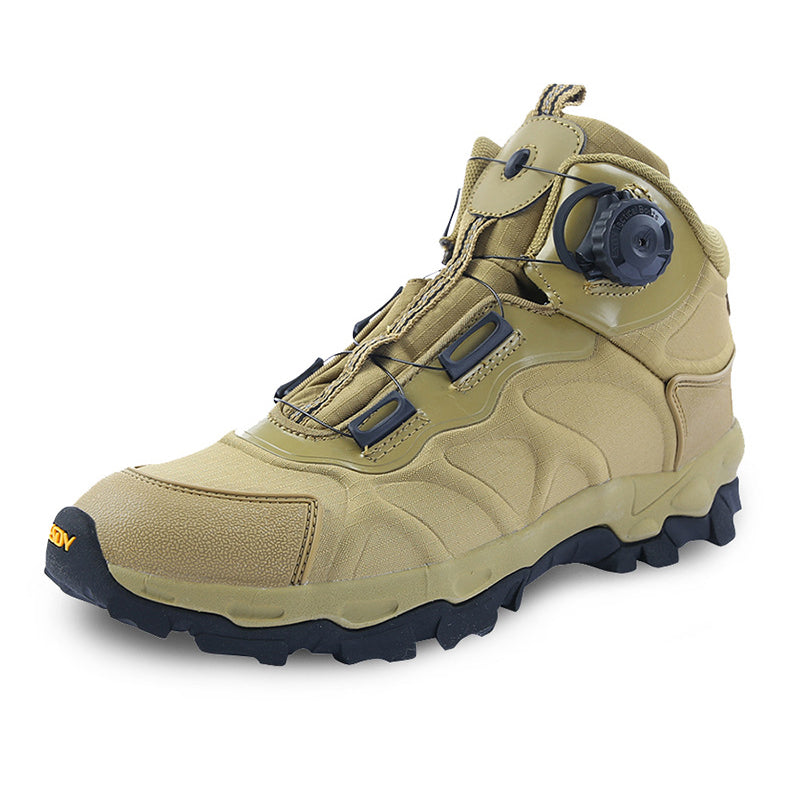
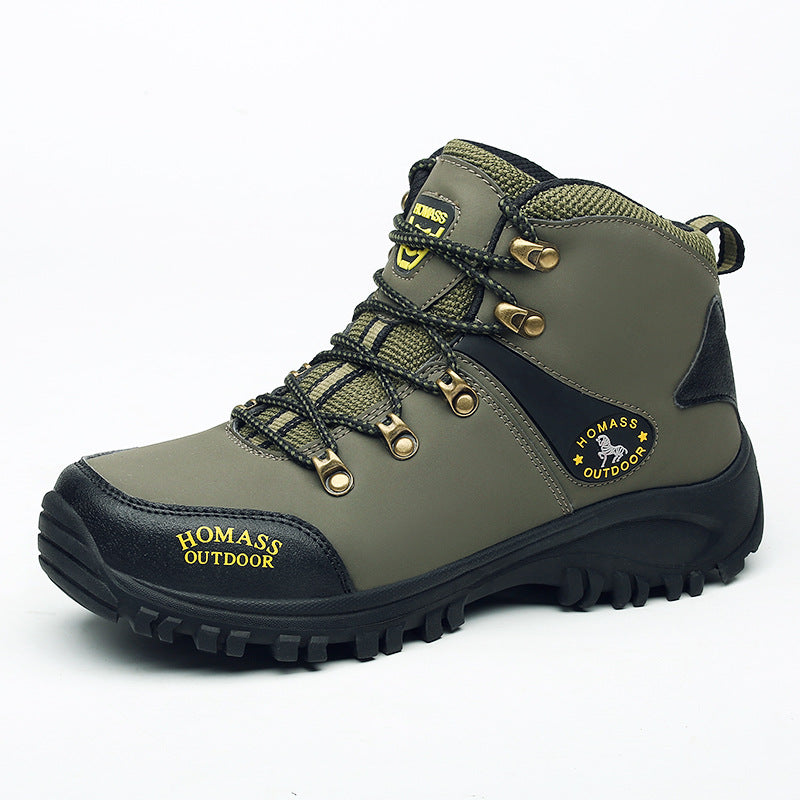
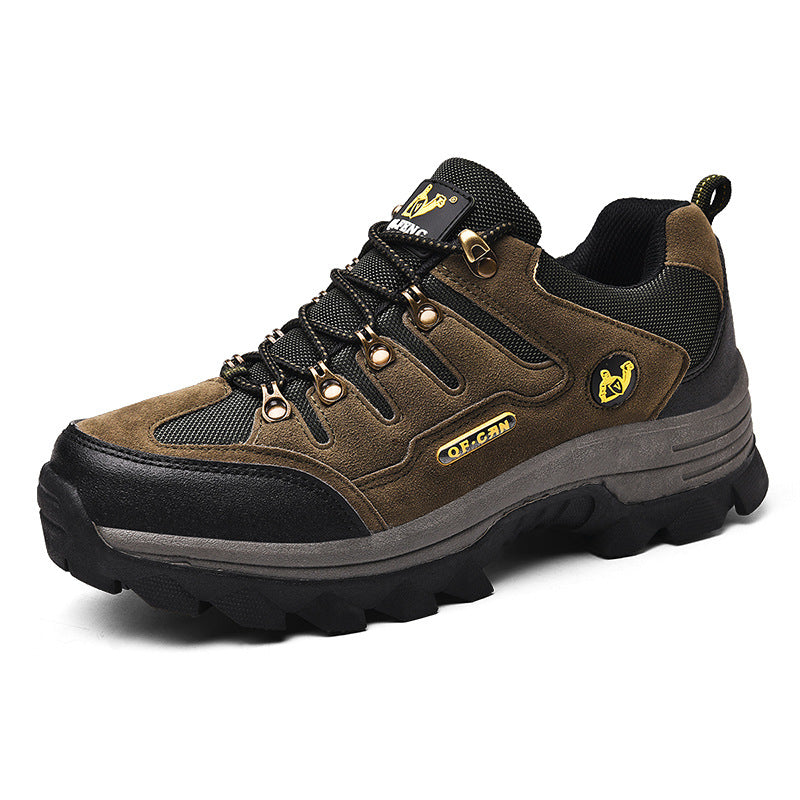
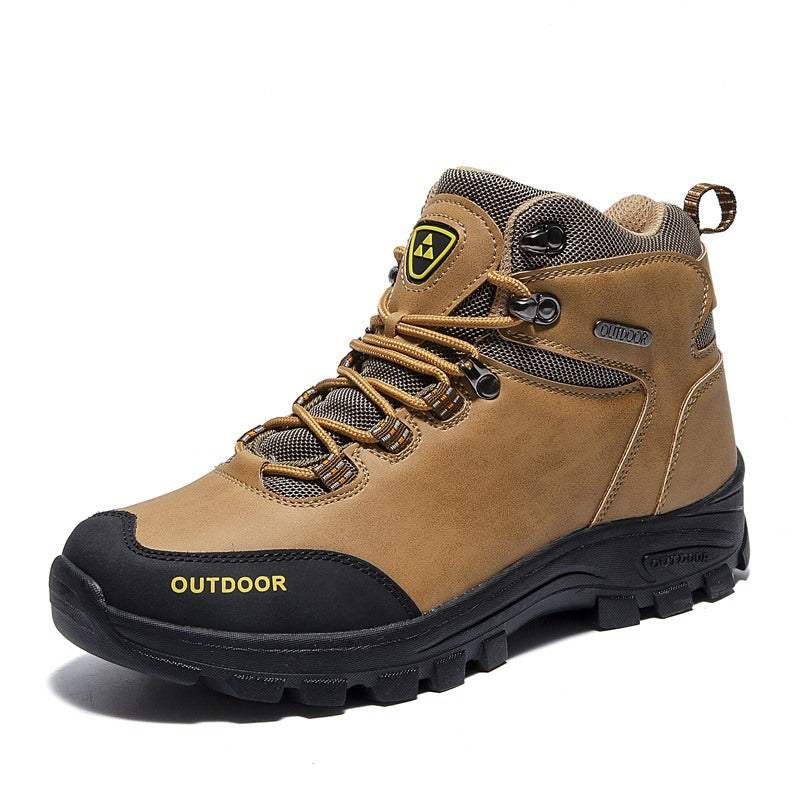
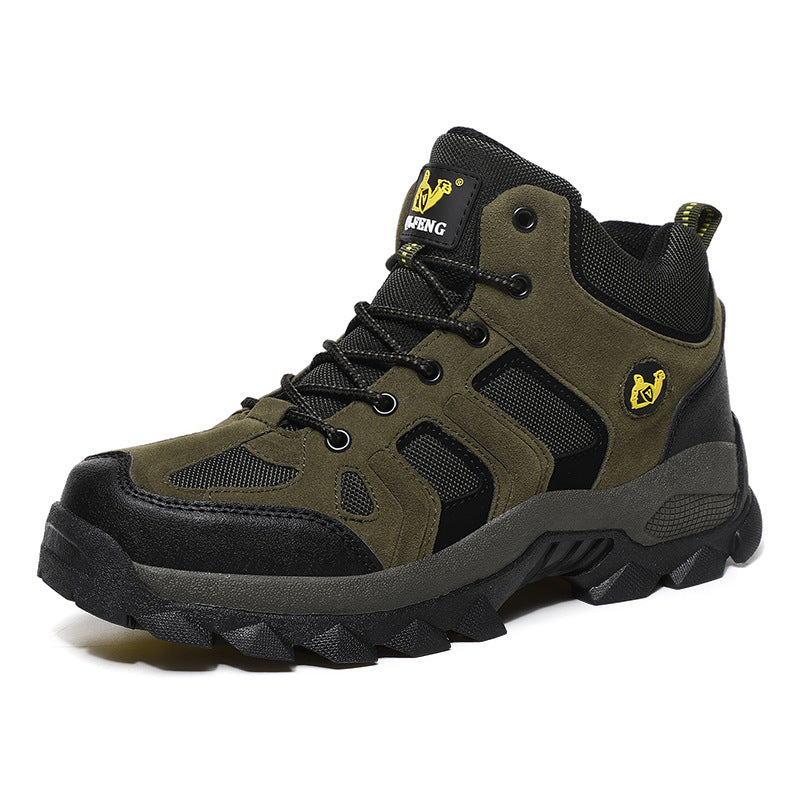
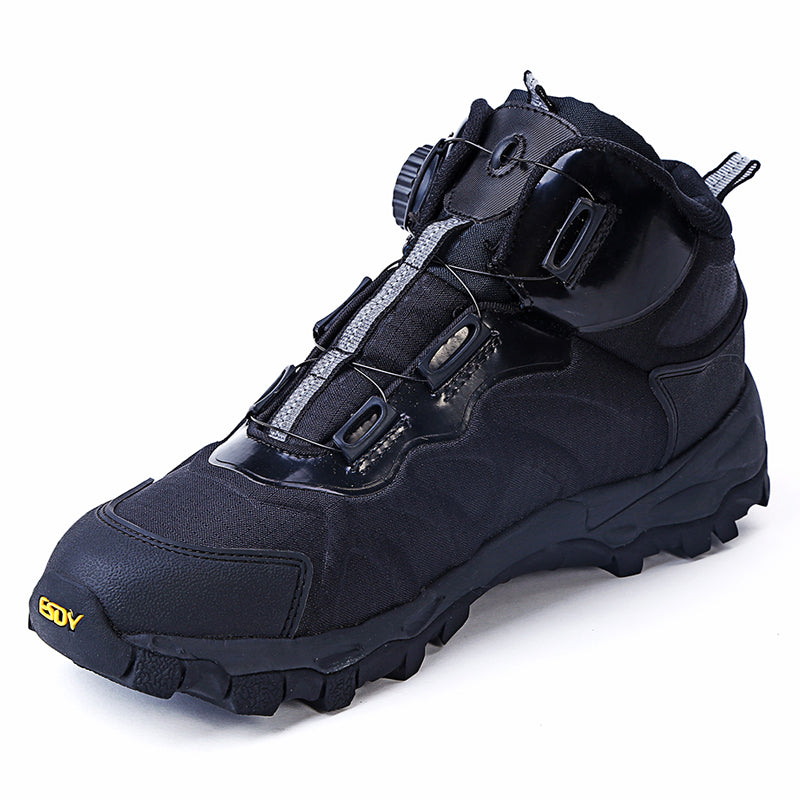
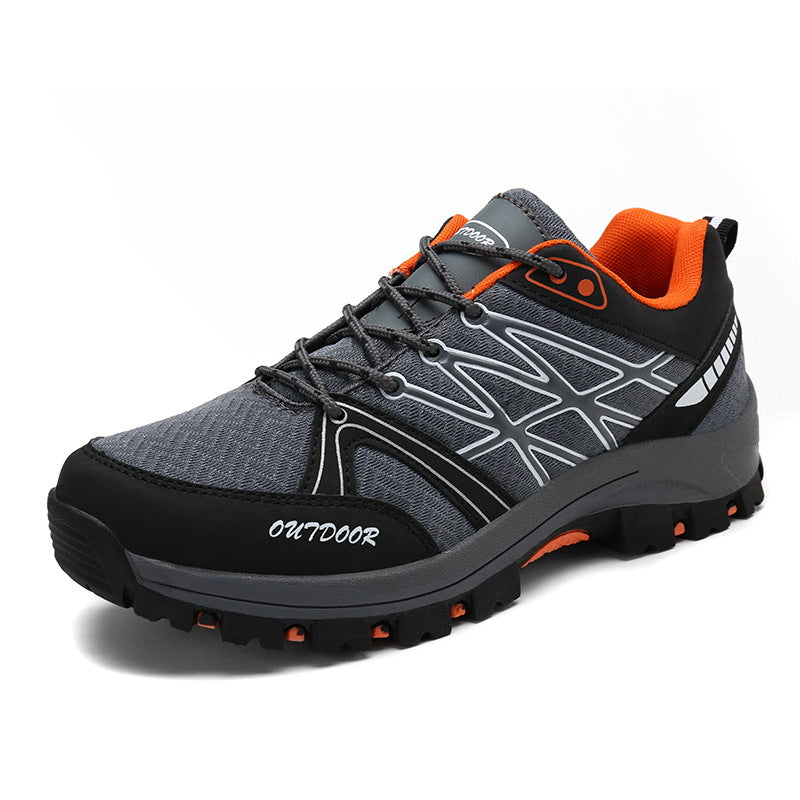
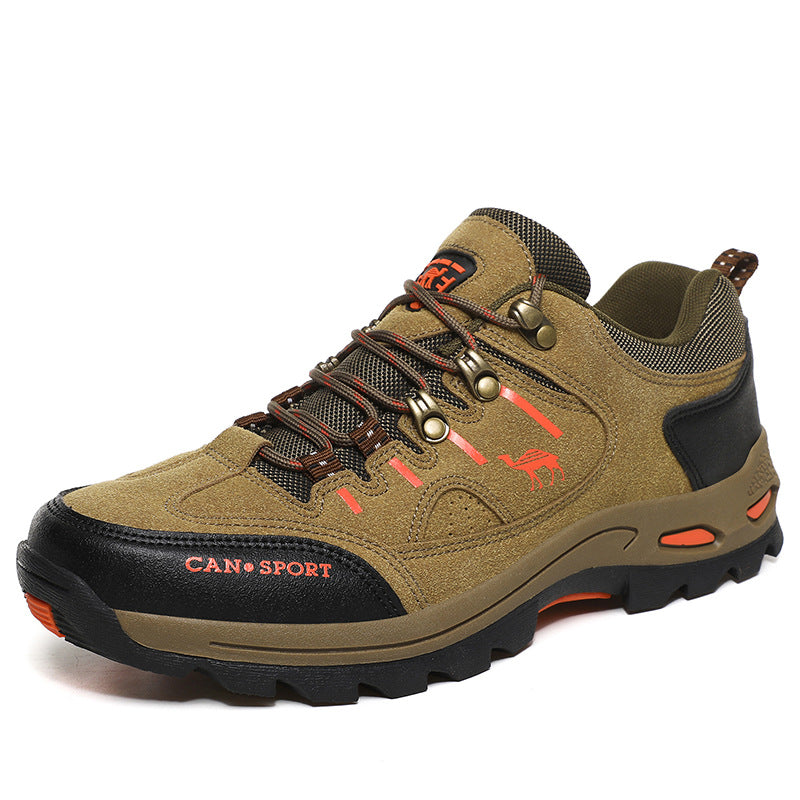
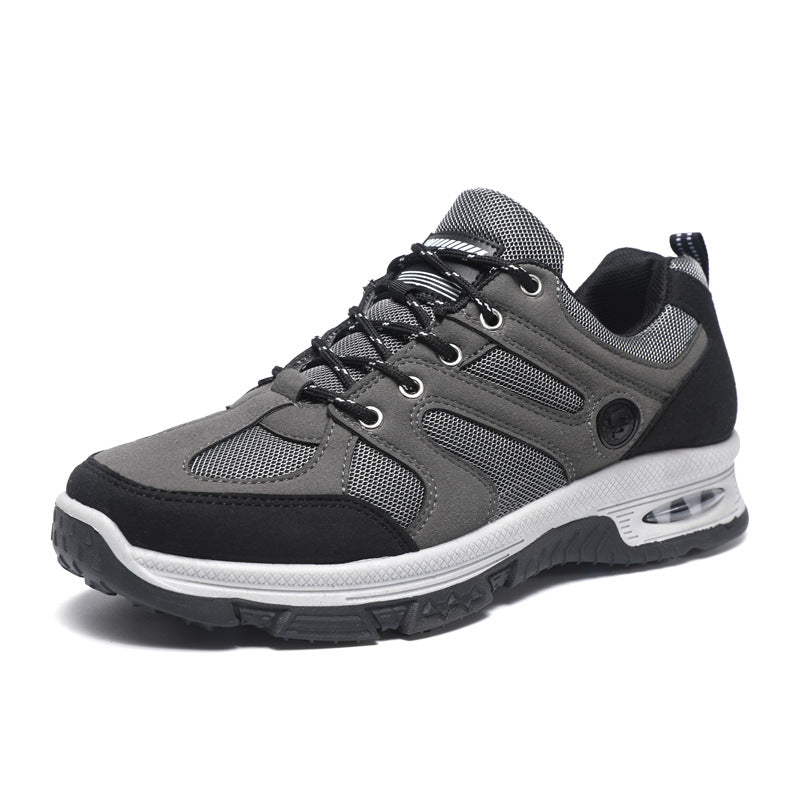
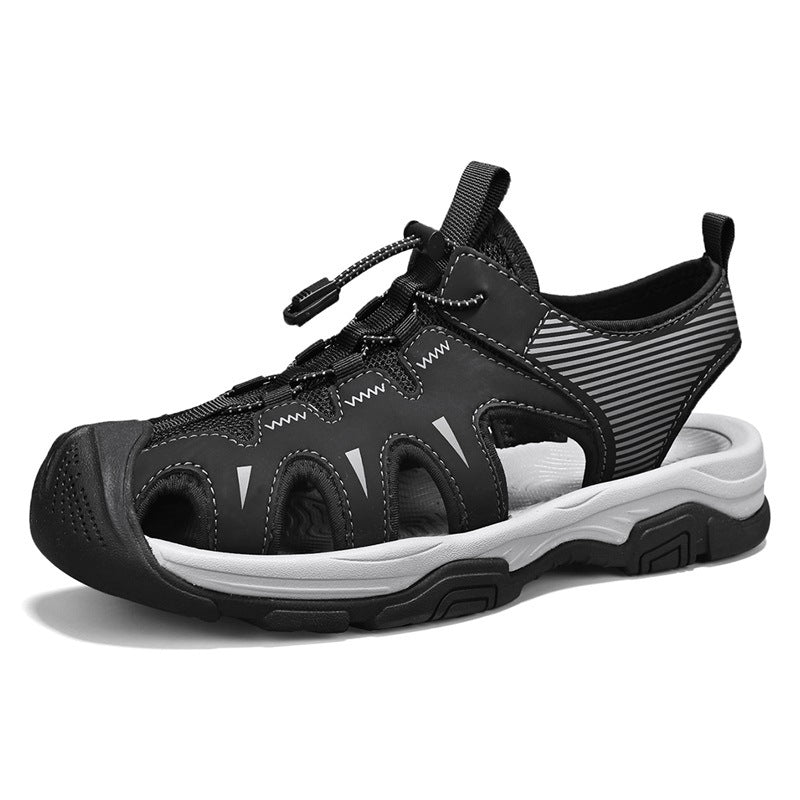
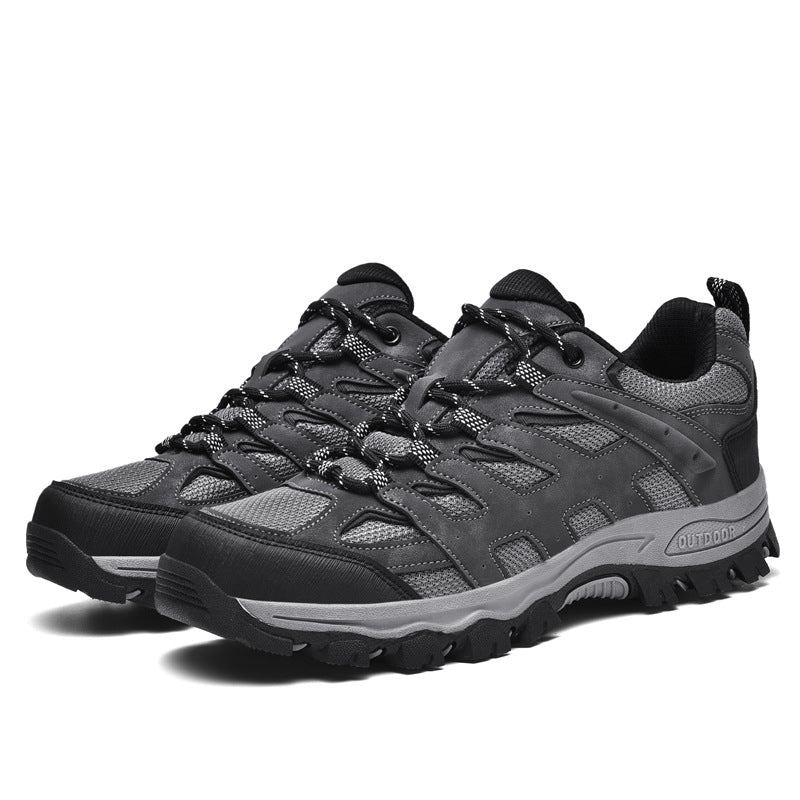
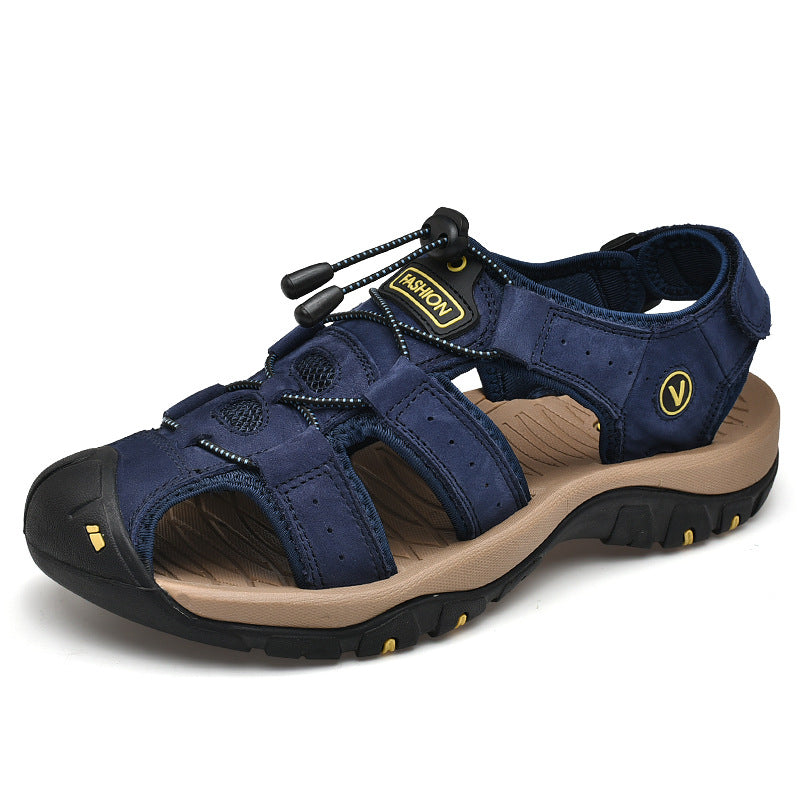
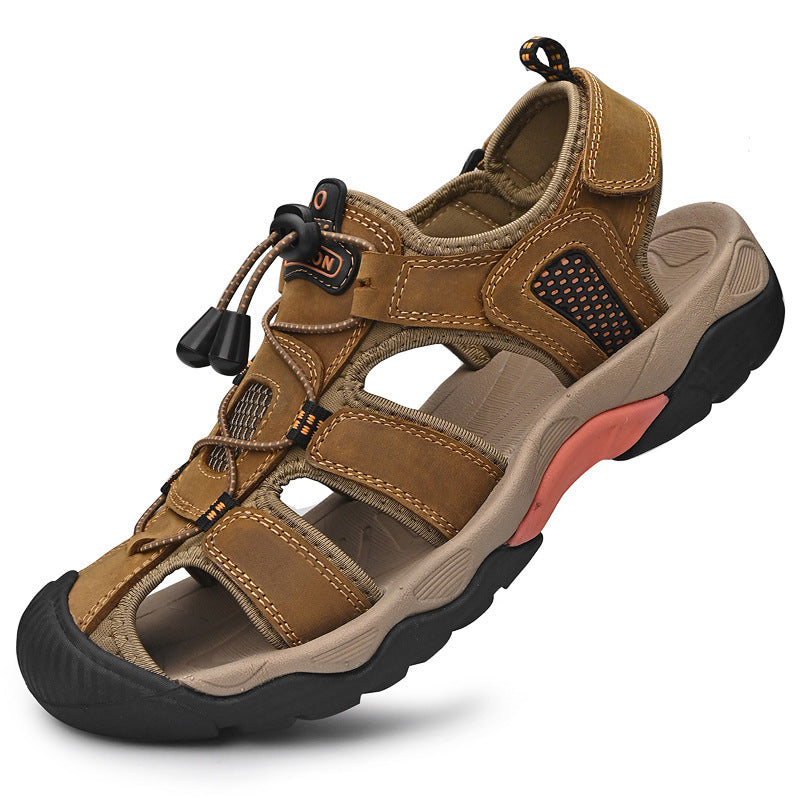
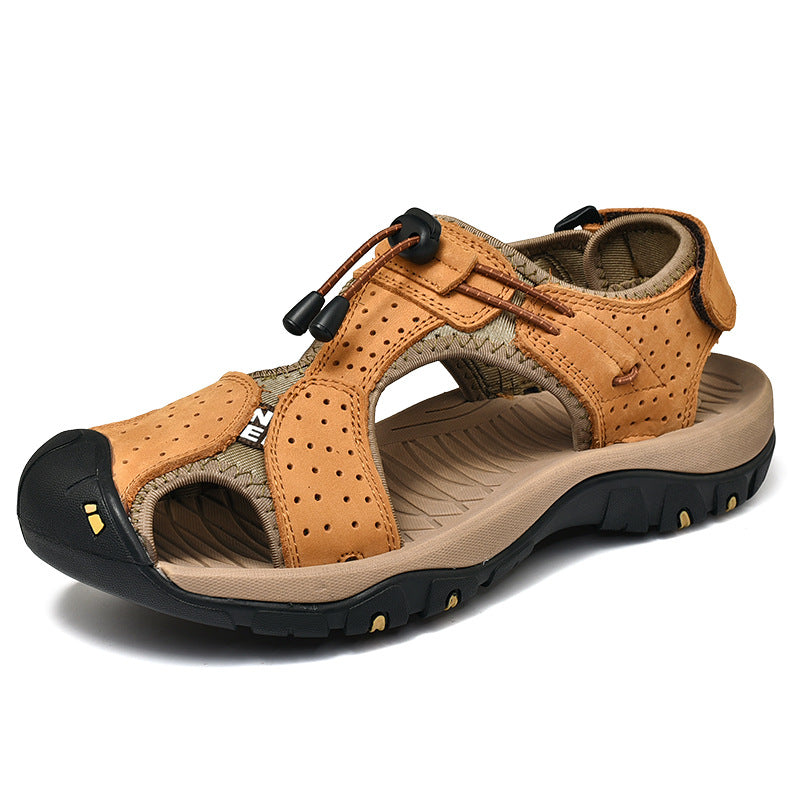
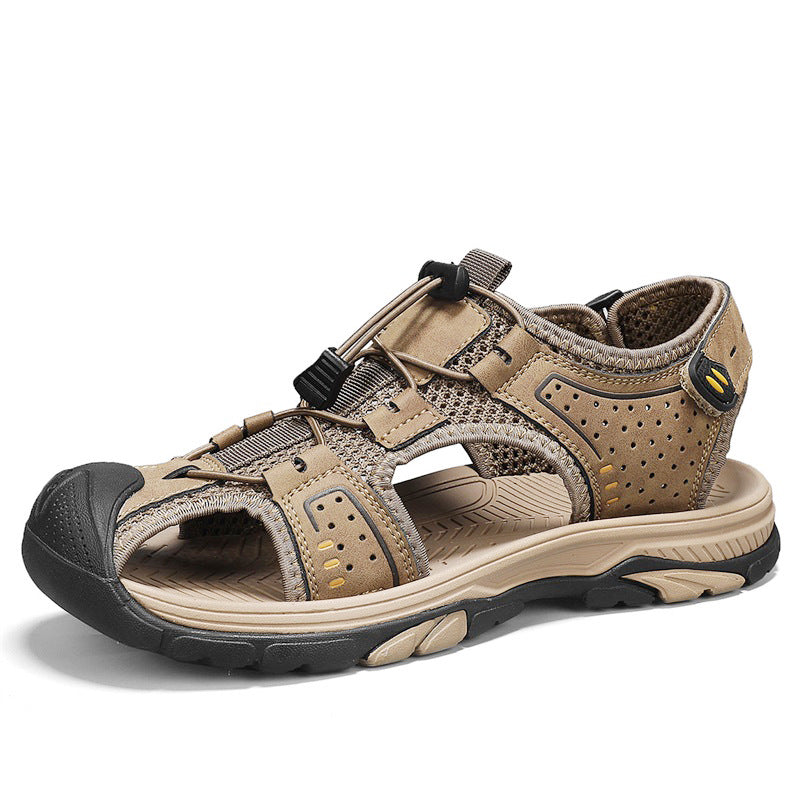
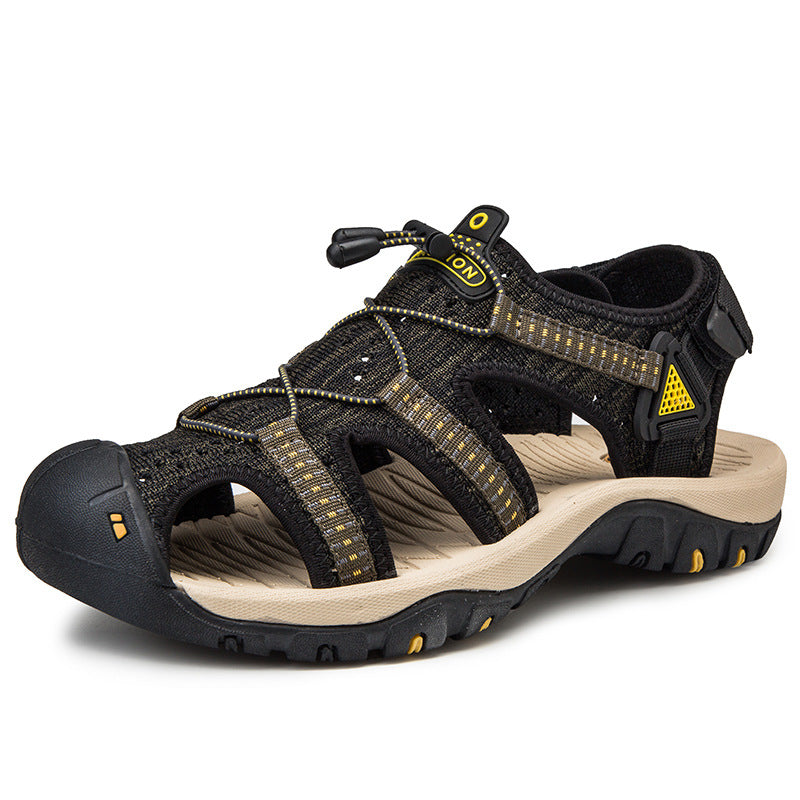
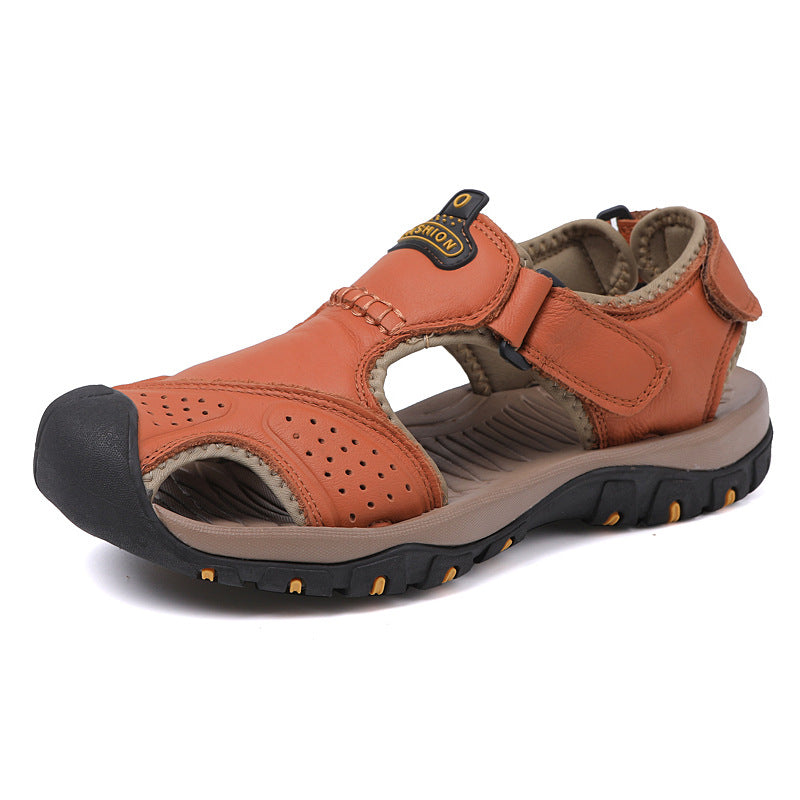
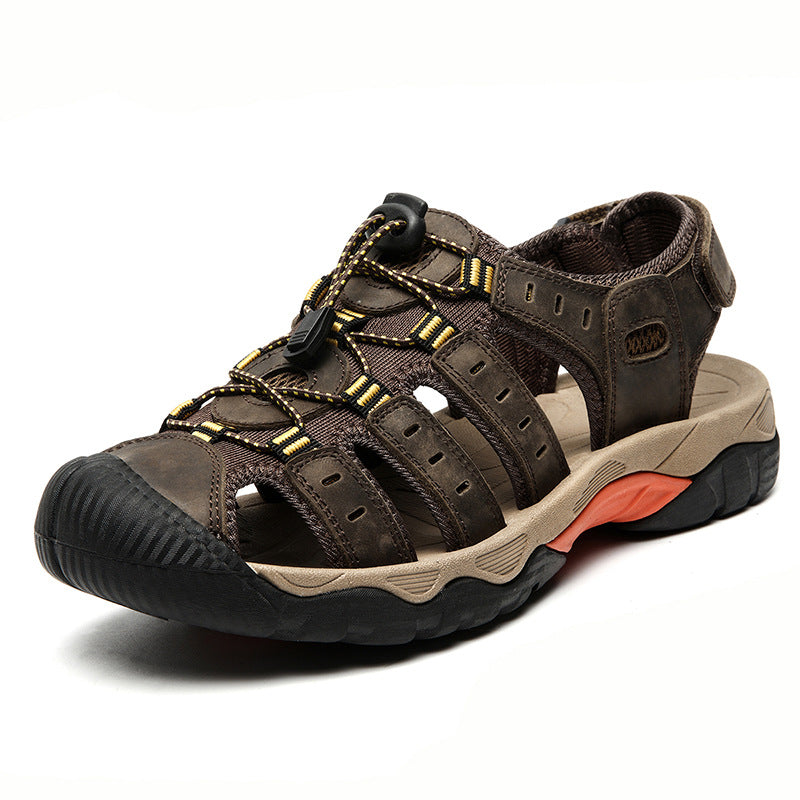
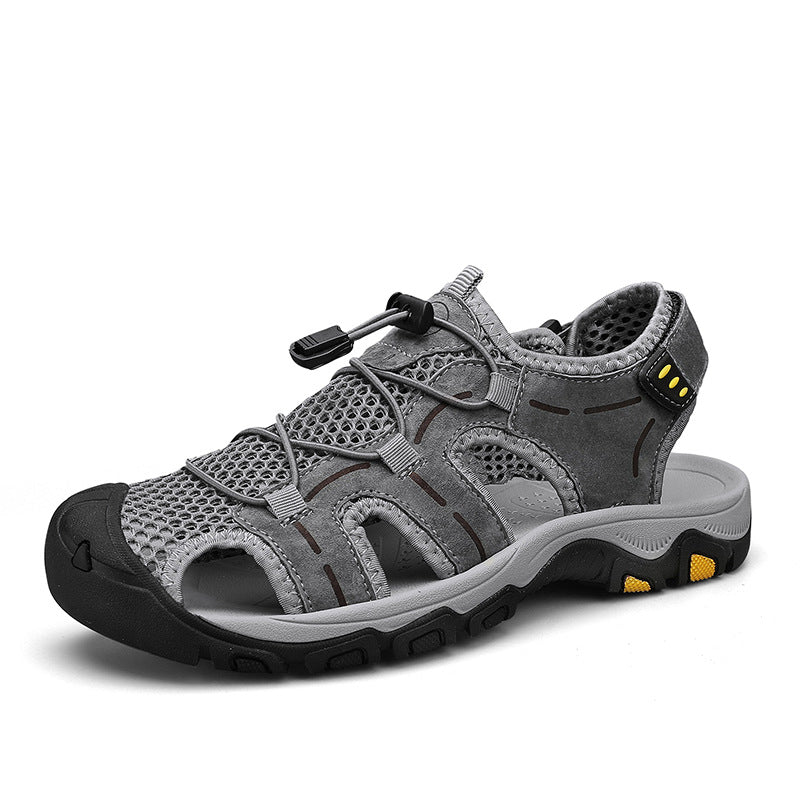
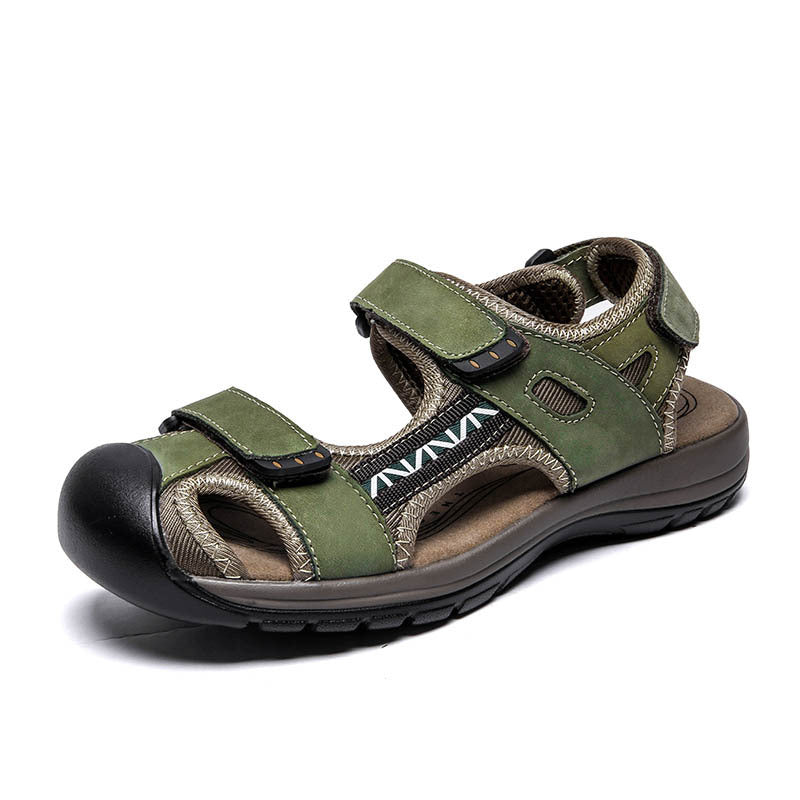
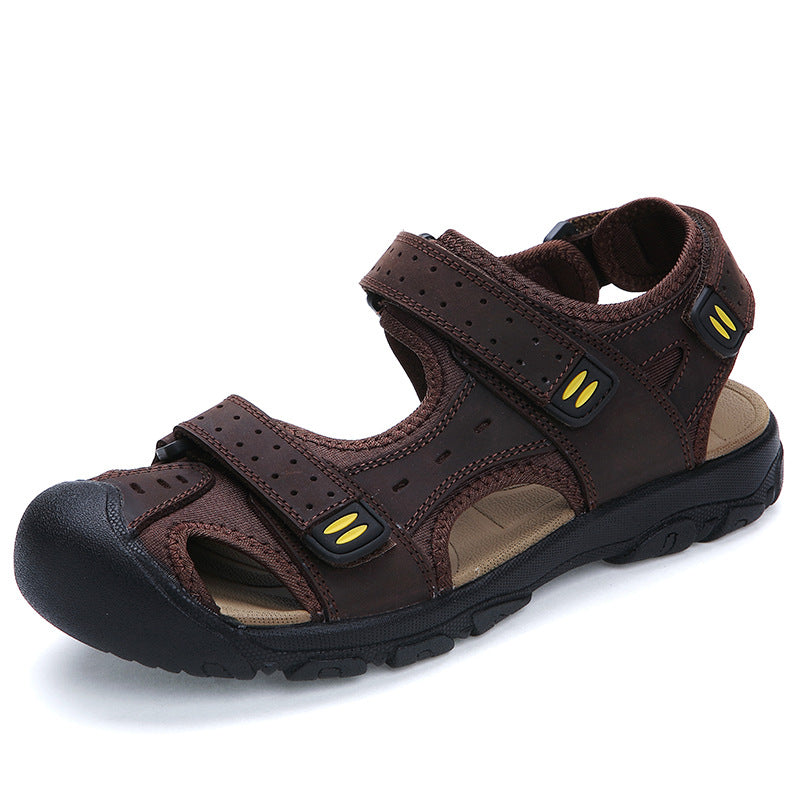
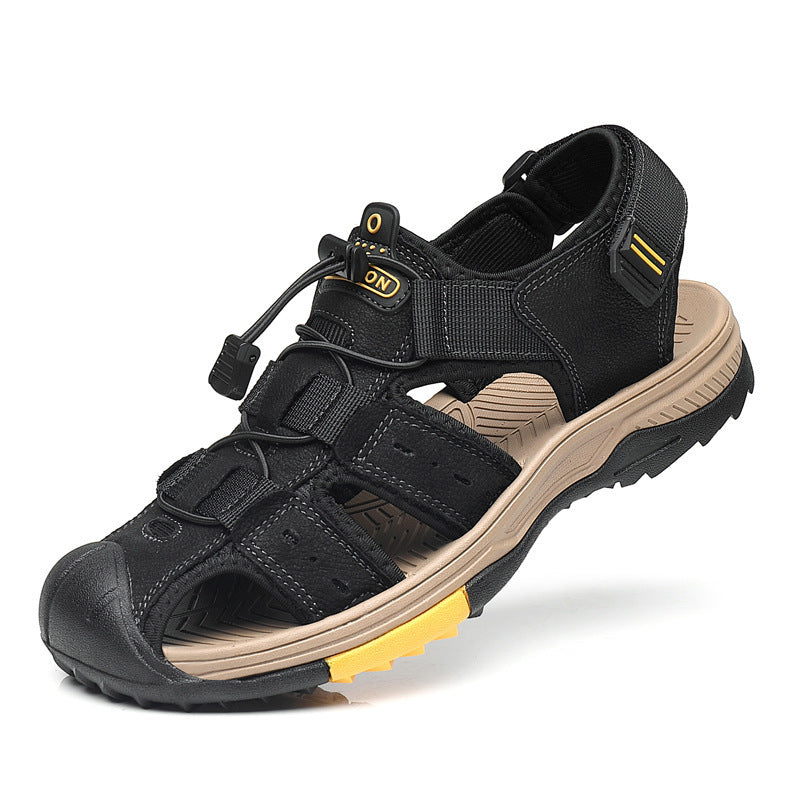
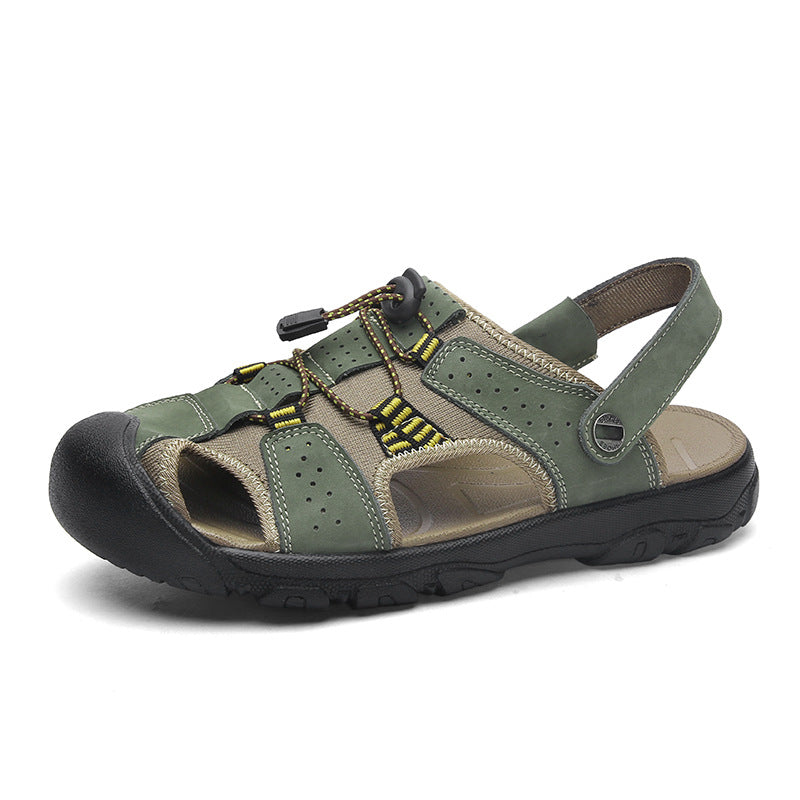
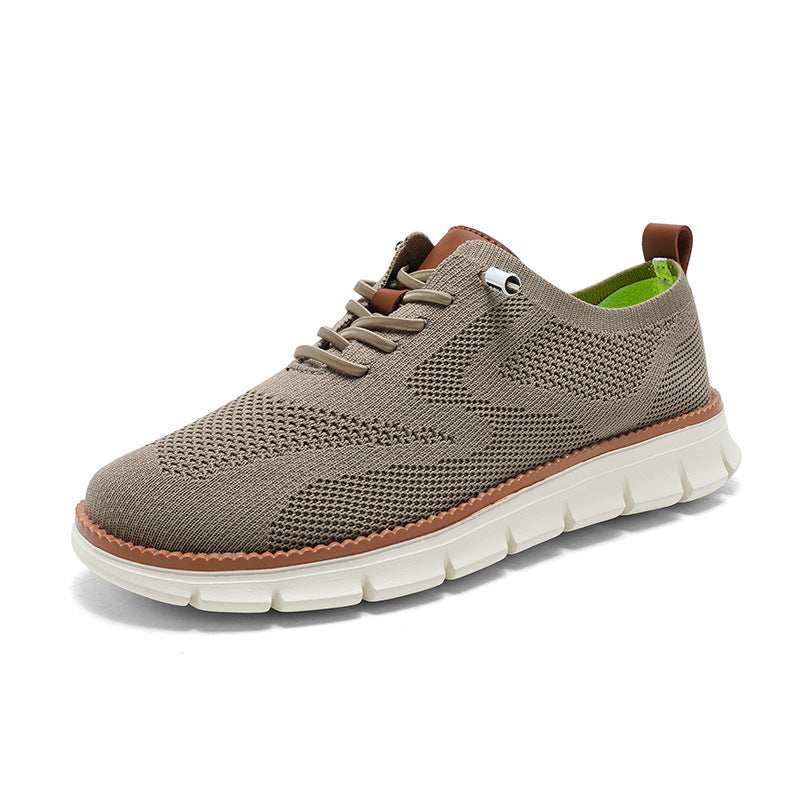
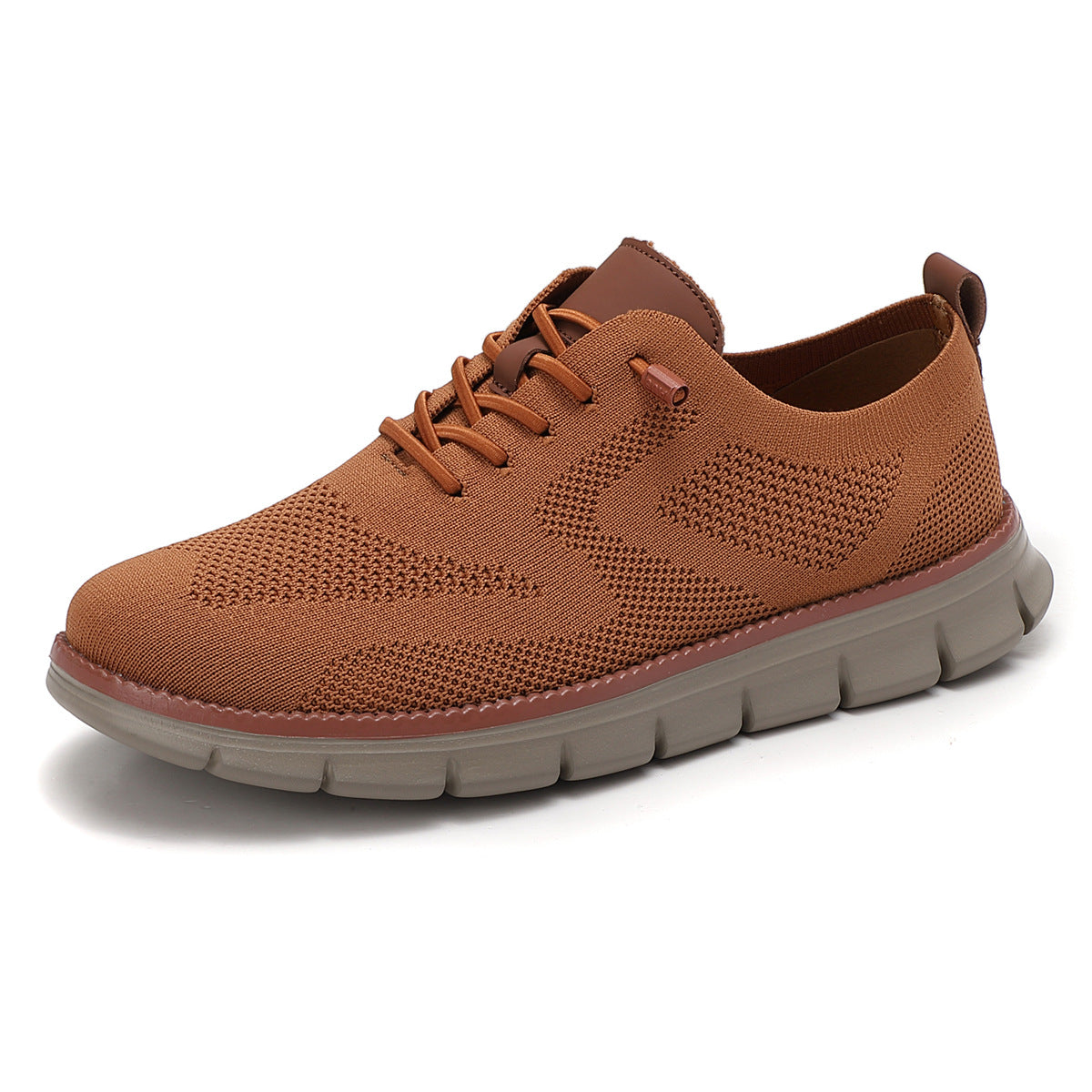
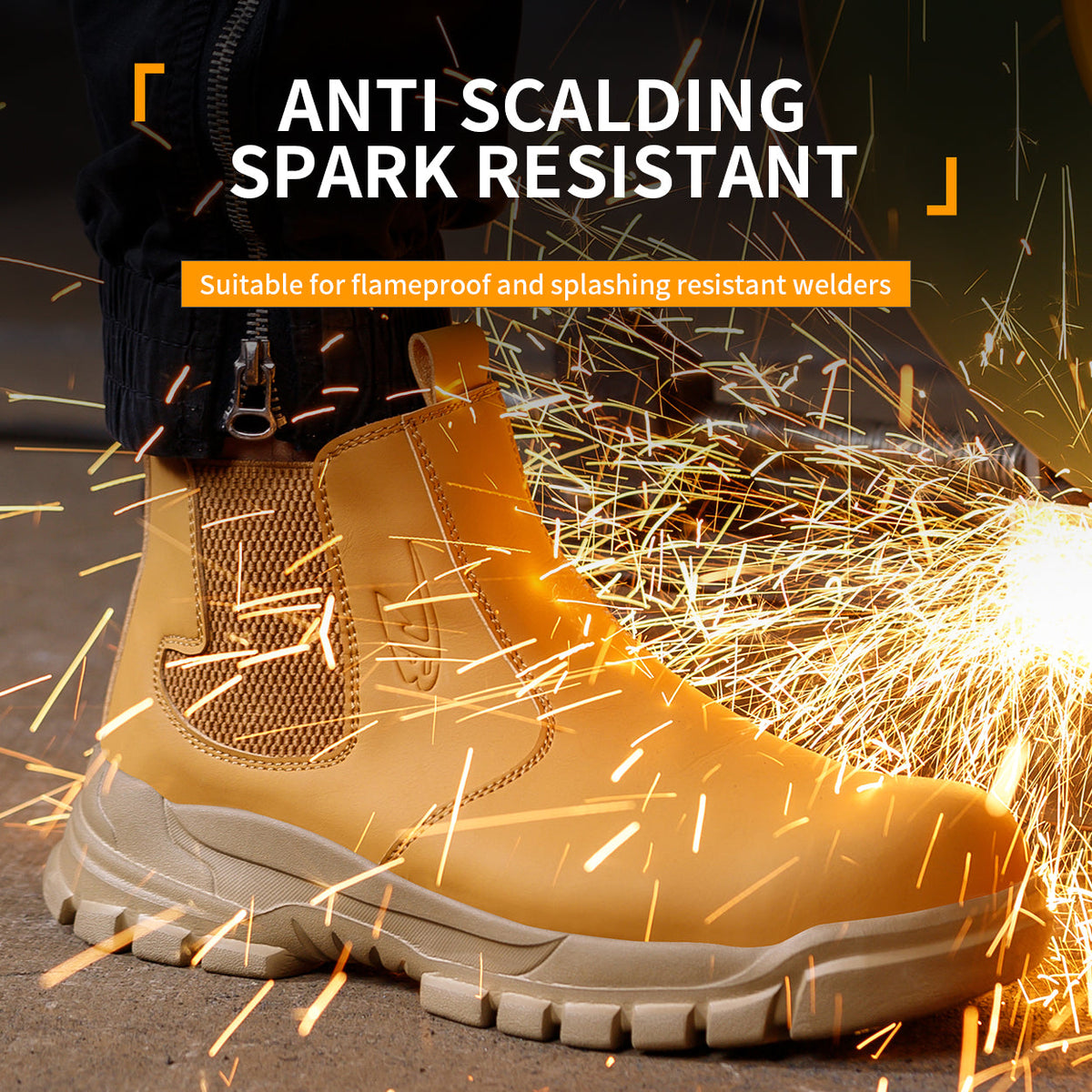
WildKing offers a variety of work-inspired footwear, including steel toe designs, safety sneakers, outdoor work boots, and lightweight athletic-style work shoes.
Different models emphasize features such as dial fastening systems, cushioning, waterproof construction, and protective toe designs.
Before selecting any pair for occupational use, verify its documented specifications and required certification.
Browse the WildKing Safety Shoes Collection to compare work footwear styles and find options that match your daily needs.
Frequently Asked Questions
Are steel toe boots safer than soft toe boots?
For specified impact and compression hazards, properly certified safety-toe footwear provides protection that ordinary soft toe boots do not. Other workplace hazards may require additional protective features.
Are steel toe boots heavier?
They can be, but actual weight depends on the complete shoe construction. Compare individual product specifications.
Can you wear steel toe boots every day?
Yes, provided they fit correctly and feel comfortable. However, certified safety footwear may not be necessary for casual everyday activities.
Do steel toe boots prevent all foot injuries?
No. Safety-toe protection addresses specific hazards. It does not automatically protect against punctures, electrical hazards, slipping, or every possible accident.
Can soft toe boots be worn on construction sites?
Only when permitted by the employer's hazard assessment and applicable safety requirements. Soft toe footwear must not replace required protective footwear.
Final Thoughts
The steel toe vs. soft toe work boots debate ultimately comes down to safety requirements, comfort, and intended use.
If your workplace requires protective-toe footwear, choose a properly certified model that meets the relevant hazards.
If your activities do not require safety-toe protection, soft toe boots may provide a comfortable alternative.
For either option, correct sizing, quality construction, appropriate traction, and everyday comfort should remain priorities.
Explore WildKing's work and safety footwear collection to discover options for different working environments and personal preferences.
