




















Best Waterproof Hiking Boots for Men in 2027: How to Choose the Right Pair for Any Trail
Whether you're planning a weekend mountain escape, exploring forest trails, or enjoying an outdoor camping trip, investing in the right waterproof hiking boots for men can make a meaningful difference.
But not all hiking boots are created equal. Some prioritize lightweight flexibility, while others focus on ankle support, traction, and protection against wet conditions.
In this guide, we'll explain what to look for in men's waterproof hiking boots, how to choose the best pair for different environments, and which features deserve your attention before buying.
1. Why Waterproof Hiking Boots Matter
Outdoor conditions can change quickly. A sunny morning may turn into a rainy afternoon, leaving trails muddy, slippery, and difficult to navigate.
Waterproof hiking boots are designed to help limit water entering the footwear during wet-weather activities.
Their advantages may include:
-
Protection from wet conditions: Helps keep feet drier when walking through rain, wet grass, and shallow puddles.
-
Greater versatility: Suitable for a wider variety of weather conditions than some highly breathable, non-waterproof alternatives.
-
Improved outdoor comfort: Dry socks and properly fitted boots can reduce moisture-related discomfort.
-
Trail confidence: Appropriate outsole traction and a secure fit can make uneven terrain easier to navigate.
However, waterproofing does not mean a boot is suitable for every environment.
Water can still enter over the collar, through poorly sealed openings, or when the waterproof construction becomes damaged.
Waterproof boots may also trap more heat than highly breathable hiking shoes. That's why the best choice depends on your climate, walking distance, and terrain.
2. What Makes a Good Waterproof Hiking Boot?
Waterproof Construction
Start by examining how the boot keeps moisture out.
Many waterproof hiking boots use a protective membrane, coated materials, or water-resistant construction.
A true waterproof membrane is generally more suitable for sustained wet conditions than a simple water-repellent surface treatment.
When shopping, check whether the product description specifies waterproof materials, a waterproof membrane, or water resistance.
These terms are not interchangeable.
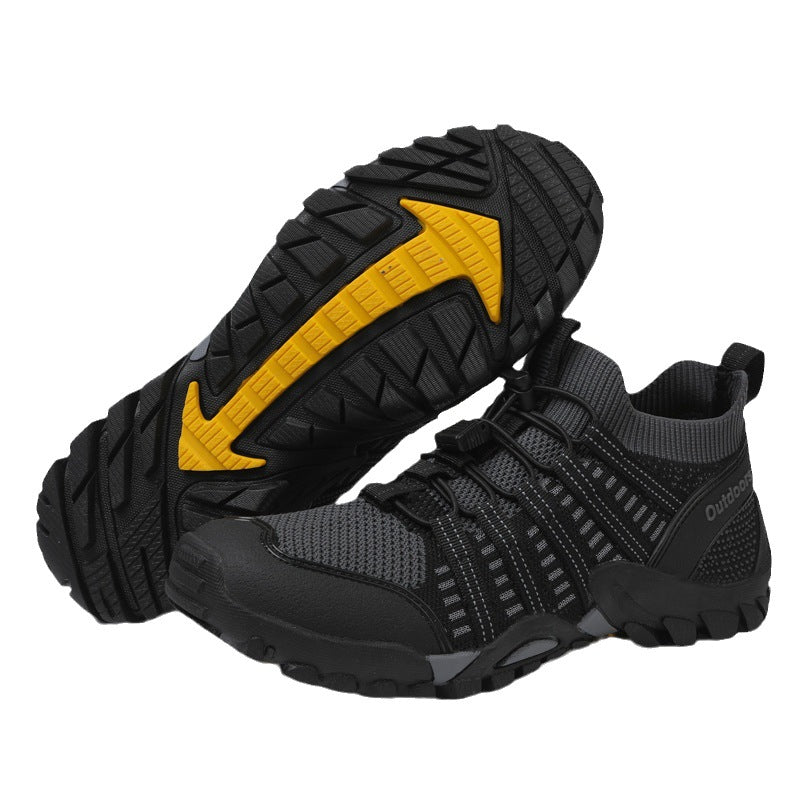
Outsole Traction
Traction is one of the most important features of outdoor footwear.
A quality hiking outsole should offer an appropriate tread pattern for the surfaces you'll encounter.
Look for:
-
Defined outsole lugs for loose dirt and uneven ground.
-
Rubber compounds designed for dependable grip.
-
Tread patterns that help release mud.
-
A stable heel area for controlled downhill movement.
Deep lugs may help on soft ground, but they do not automatically provide better grip on smooth wet rocks.
If you regularly hike across exposed rock or slippery surfaces, outsole rubber and tread design deserve special attention.
Ankle Support and Boot Height
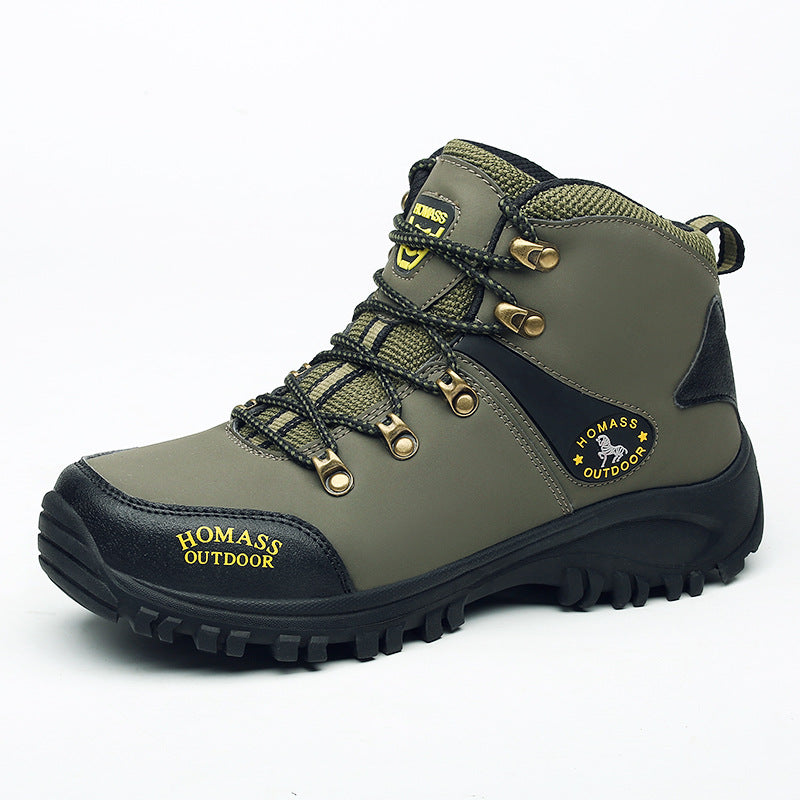
Hiking boots generally come in low-cut, mid-cut, and high-cut designs.
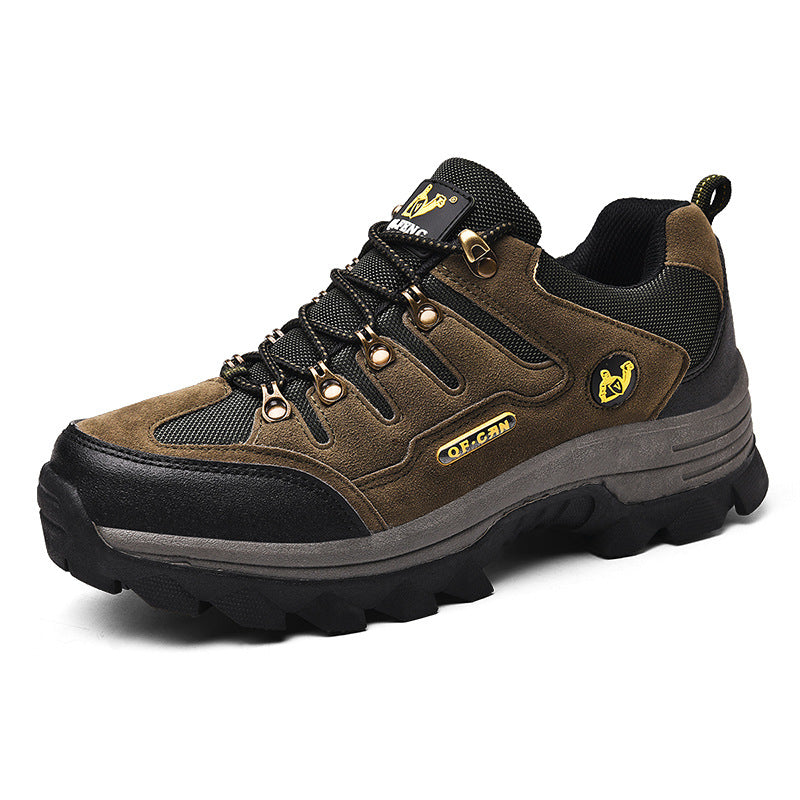
Low-cut footwear often offers greater flexibility and a lighter feel.
Mid-cut boots provide additional coverage around the ankle and may help protect against debris.
High-cut boots offer greater lower-leg coverage, although boot height alone does not guarantee that ankle injuries will be prevented.
Choose the height that matches your terrain, comfort preferences, and equipment weight.
Cushioning and Midsole Support
Long hikes can place repeated pressure on your feet.
A comfortable midsole helps manage underfoot impact and contributes to the overall walking experience.
Common materials include EVA foam, polyurethane, and combinations of cushioning components.
Soft cushioning may feel comfortable initially, but the boot should also remain stable when walking over uneven surfaces.
Try to find a balance between flexibility, support, and cushioning.
3. How to Choose Hiking Boots for Different Terrain
Forest Trails
Forest trails frequently contain leaves, loose dirt, roots, and wet ground.
For these conditions, consider lightweight waterproof boots with moderate outsole lugs.
Flexible uppers and comfortable cushioning can be helpful for longer walks.
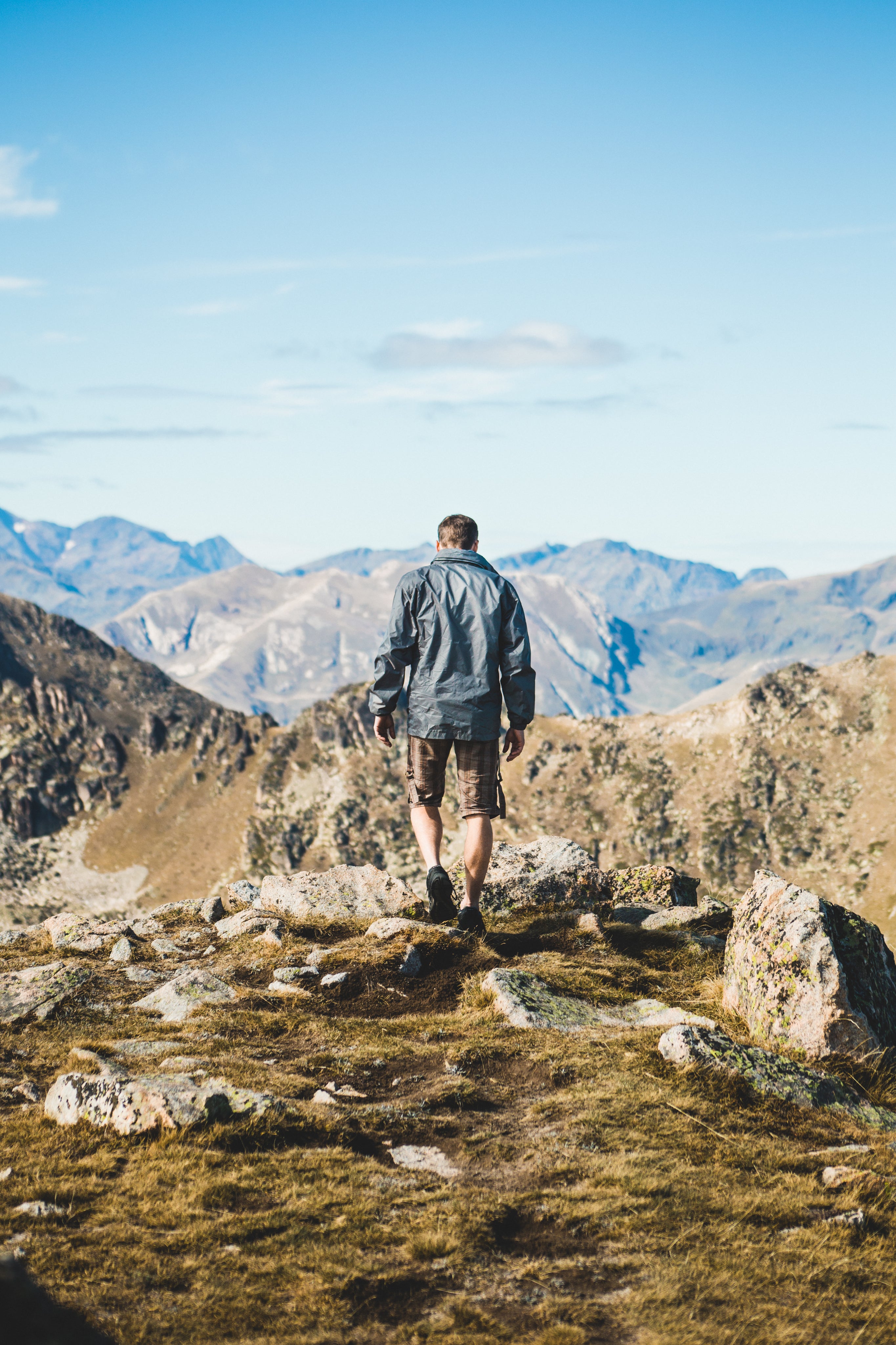
Mountain Hiking
Mountain terrain often requires stronger underfoot stability and more secure traction.
Look for:
-
Supportive midsoles.
-
Durable toe protection.
-
Outsoles appropriate for rocky terrain.
-
Secure lacing systems.
-
Sufficient room for your toes during descents.
For technical mountain activities, choose footwear specifically designed for the conditions and level of difficulty.
Muddy Trails
Mud creates challenges that ordinary casual shoes may struggle to handle.
A hiking boot with well-spaced lugs can help shed mud more effectively than one with a shallow, closely packed tread.
Waterproof construction is especially useful when crossing wet grass and muddy ground.
However, no hiking boot is completely slip-proof.
Everyday Outdoor Activities
Not every outdoor adventure requires heavy-duty footwear.
For walking around campsites, parks, and maintained trails, a lightweight hiking shoe may provide enough support and protection.
If you frequently move between urban streets and outdoor paths, a versatile design can be more practical than a specialized mountaineering boot.
4. Waterproof Hiking Boots vs. Hiking Shoes
Both options have advantages.
Waterproof hiking boots are often preferred for wetter, rougher conditions where additional coverage and supportive construction are useful.
Hiking shoes may be more comfortable for users who value flexibility, lighter weight, and easier movement.
Consider the following questions:
-
Do you normally hike on maintained trails or uneven wilderness terrain?
-
Will you carry a heavy backpack?
-
Do you frequently encounter rain or mud?
-
Do you prefer freedom of movement or greater foot coverage?
-
Are you hiking in warm or cold conditions?
A lightweight waterproof hiking shoe may work well for everyday outdoor walks, while a more structured boot can be practical for demanding routes.
The right choice depends on your needs rather than appearance alone.
5. How Should Men's Hiking Boots Fit?
Even a well-designed hiking boot can become uncomfortable if the fit is incorrect.
Follow these guidelines before purchasing.
Leave Enough Toe Room
Your toes should not press against the front of the boot when walking downhill.
Try footwear while wearing your usual hiking socks.
There should be enough space for natural toe movement without excessive sliding.
Check Heel Movement
Your heel should feel secure.
Minor movement may occur depending on the boot design, but excessive slipping can increase friction and discomfort.
Pay Attention to Width
Boots that feel tight across the forefoot may create pressure during long hikes.
Remember that your feet can swell after extended walking.
If you have wide feet, prioritize a suitable width rather than automatically buying a longer size.
Test Different Movements
Before keeping a new pair, walk on flat surfaces, climb stairs, and carefully test downhill movement.
A good fit should feel secure without causing pinching, numbness, or persistent pressure.
6. Are Waterproof Hiking Boots Good for Summer?
Yes, but they aren't always the most comfortable option.
Waterproof membranes can reduce airflow, making some boots feel warmer in hot weather.
If you regularly hike in dry, hot environments, breathable non-waterproof hiking shoes may be more comfortable.
For unpredictable summer weather, waterproof boots can offer useful protection during occasional rain.
The best approach is to prioritize the conditions you're most likely to encounter.
7. How to Maintain Waterproof Hiking Boots
Proper care helps extend the useful life of hiking footwear.
Step 1: Remove mud after hiking.
Use a soft brush to remove dried dirt from the outsole and upper.
Step 2: Clean according to the manufacturer's instructions.
Avoid harsh detergents that may damage protective materials.
Step 3: Allow boots to air-dry.
Remove the insoles when appropriate and dry the boots naturally.
Avoid placing them directly against radiators or intense heat sources.
Step 4: Maintain water-repellent finishes.
Some boots benefit from compatible waterproofing treatments.
Choose products suitable for the upper material and construction.
Step 5: Inspect your footwear regularly.
Check seams, outsoles, laces, and high-wear areas before longer trips.
If waterproof construction has failed, applying a surface treatment may not restore full waterproof protection.
8. Explore WildKing Hiking Footwear
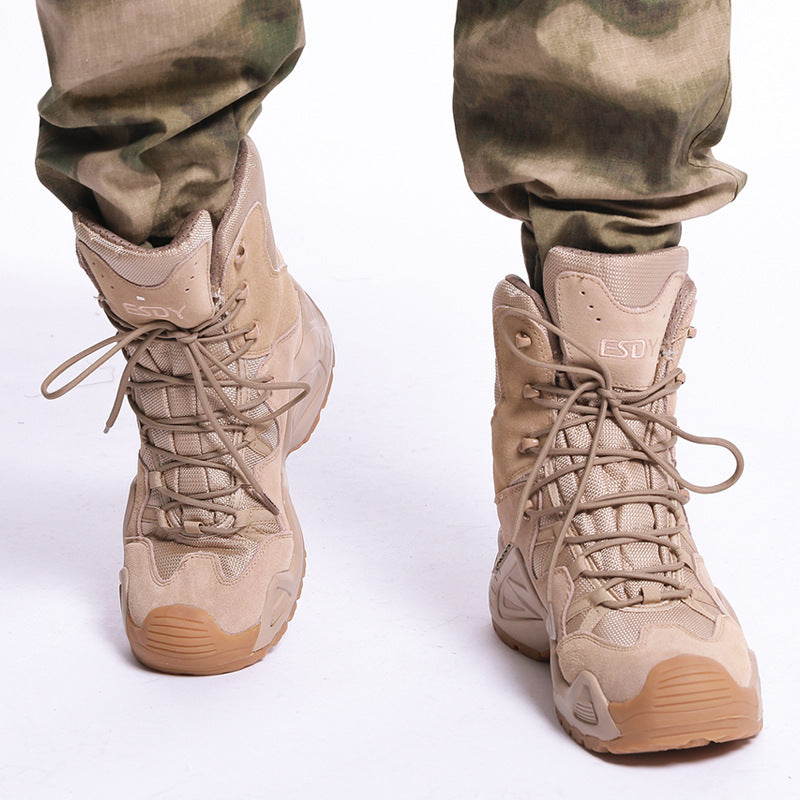
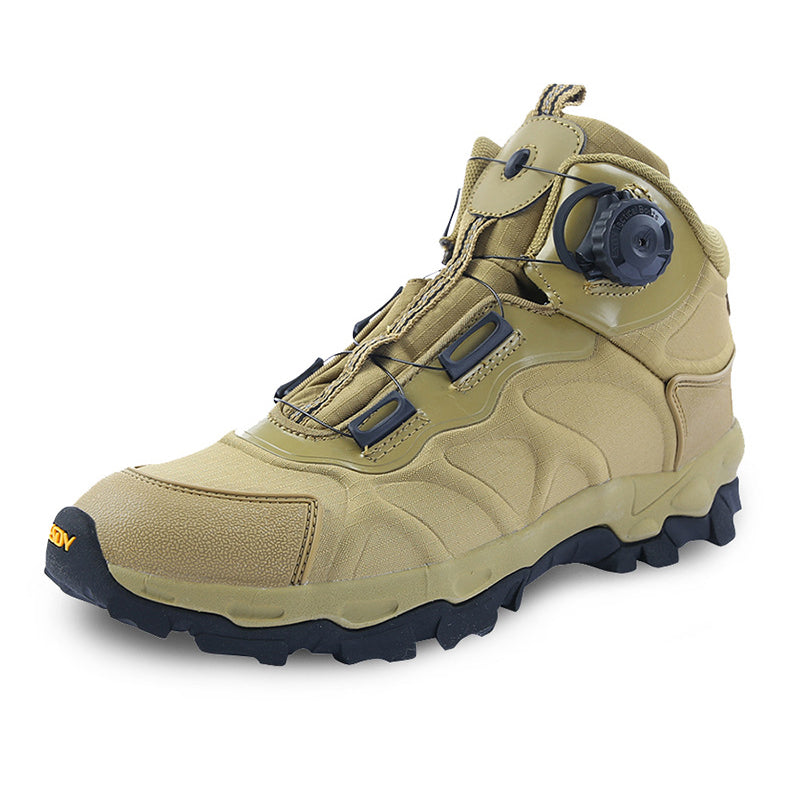
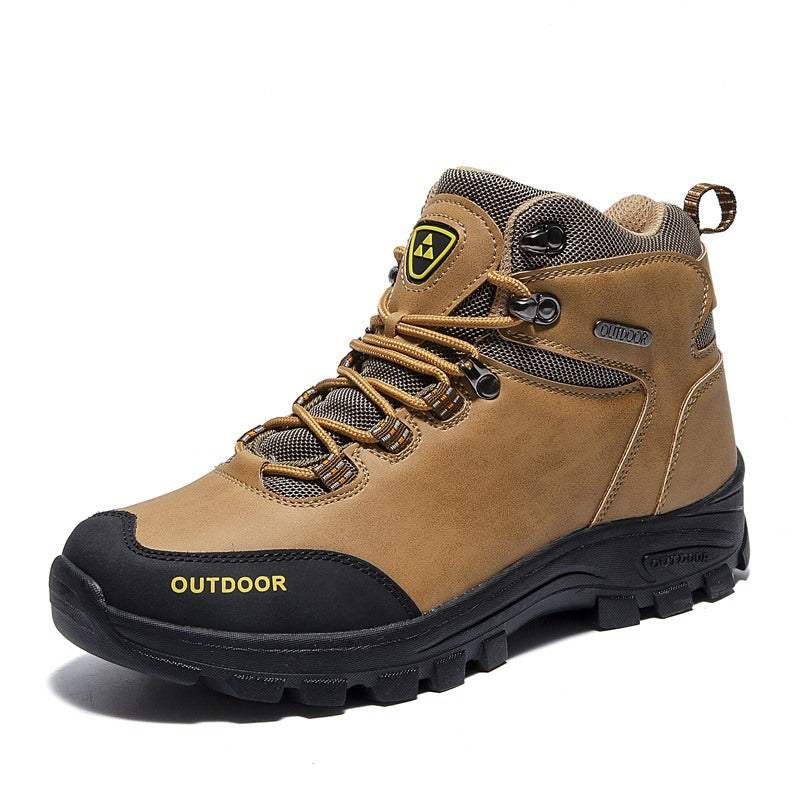
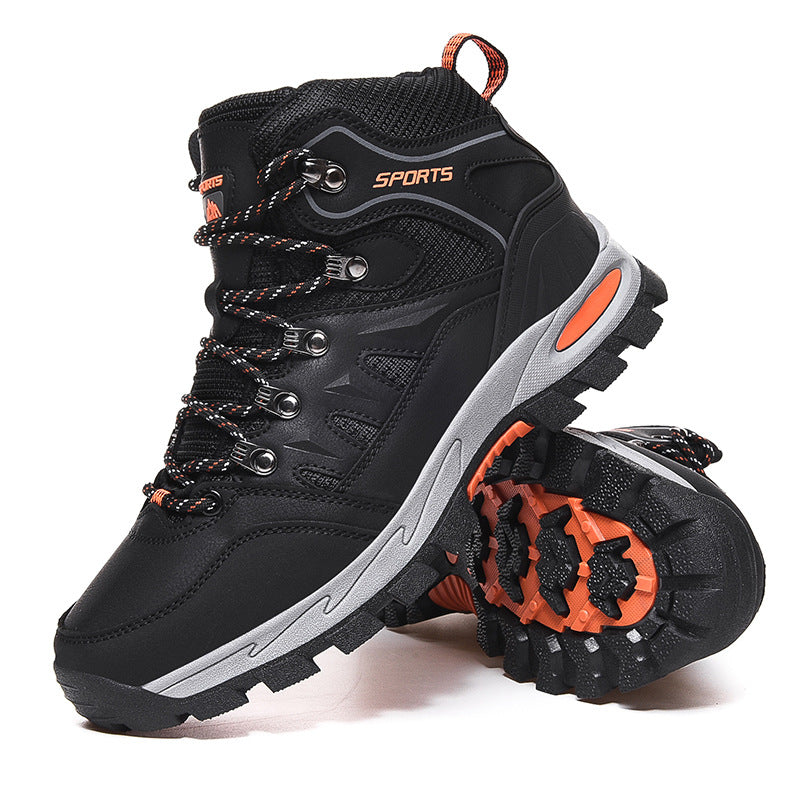
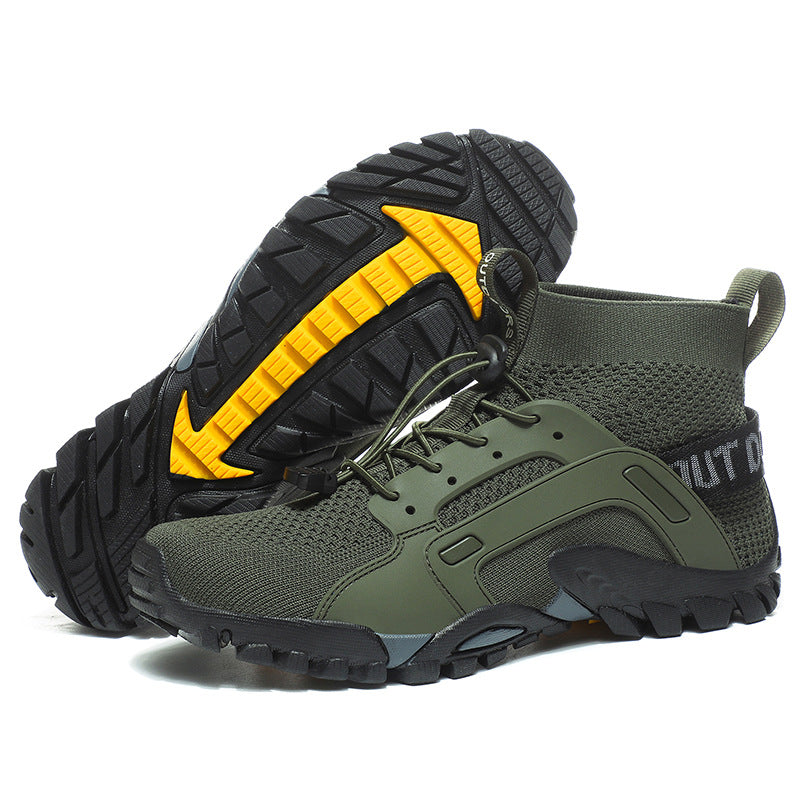
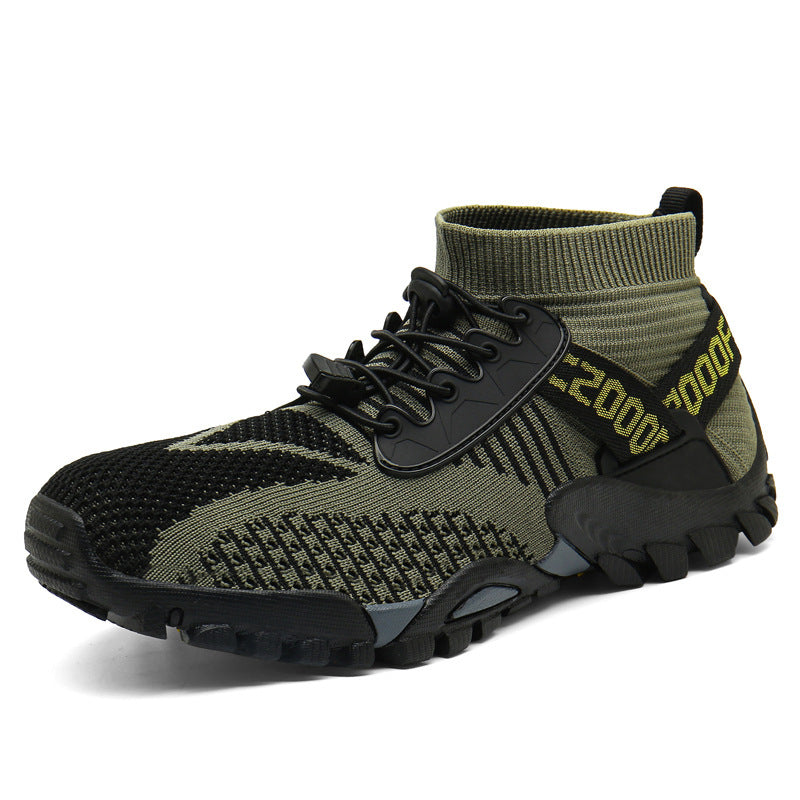
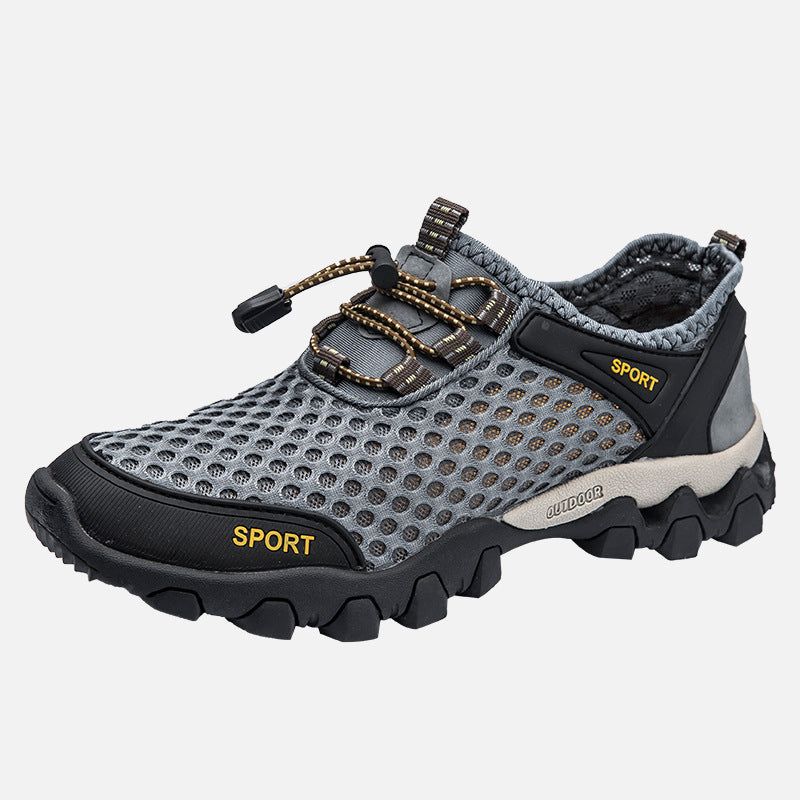
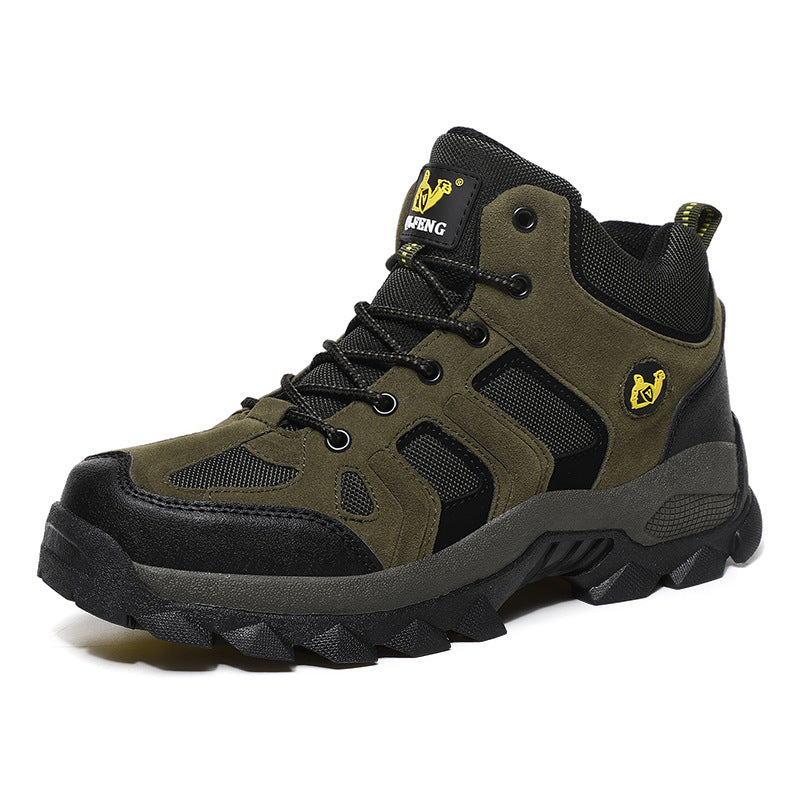
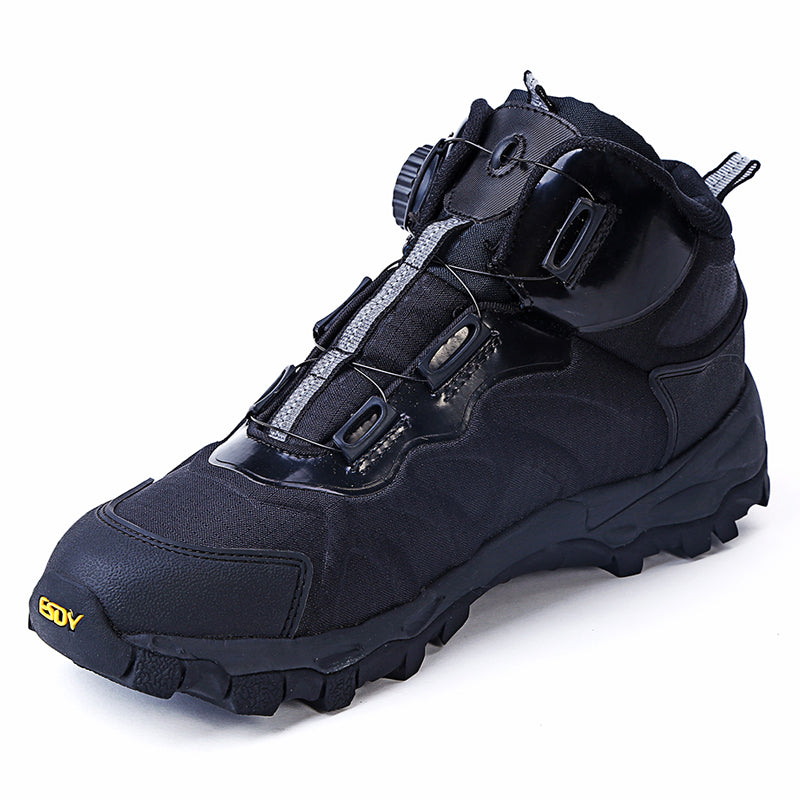
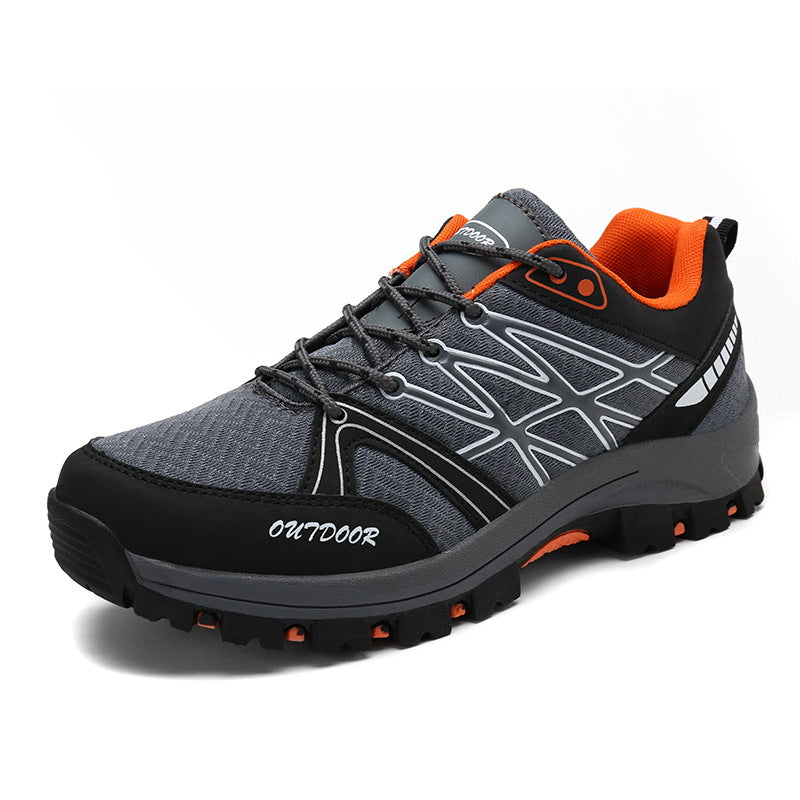
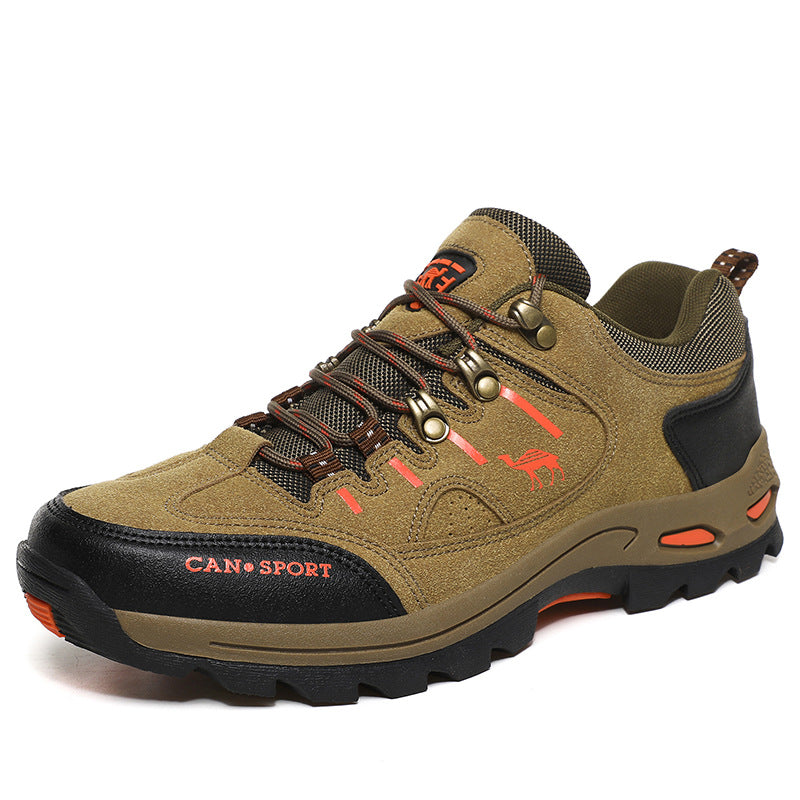
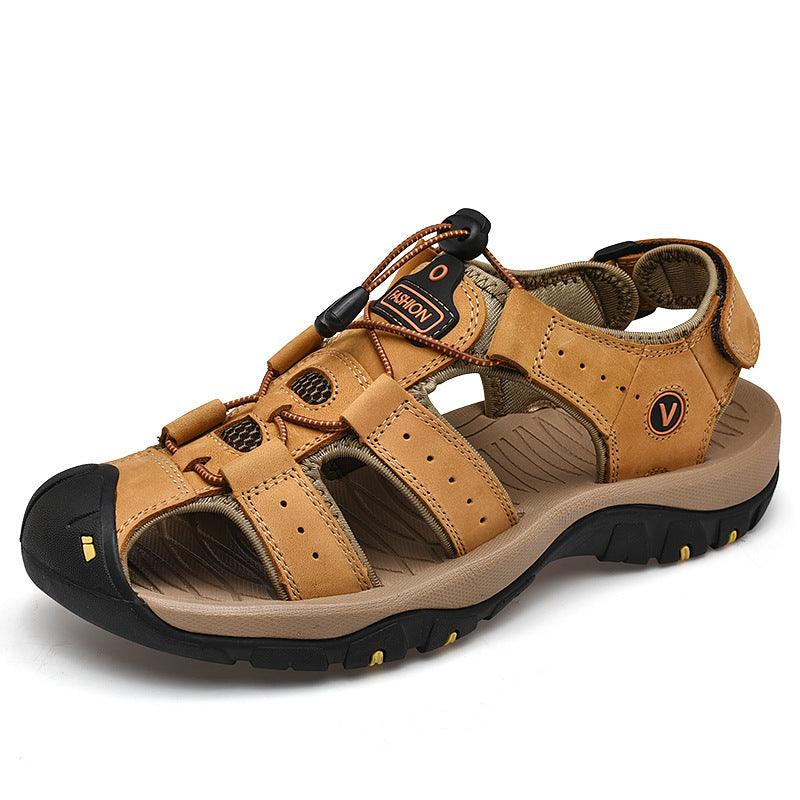
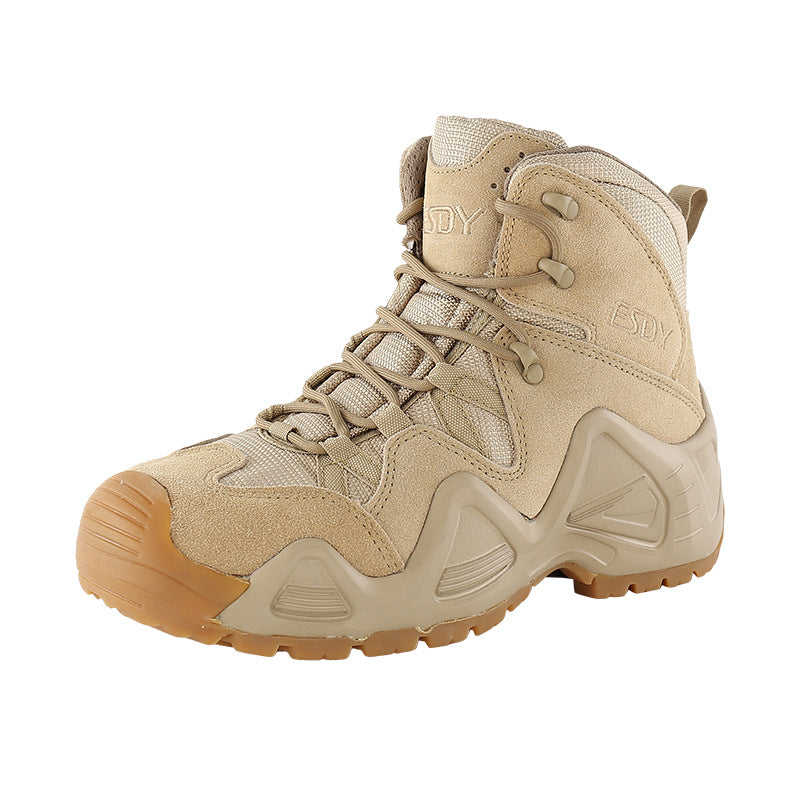
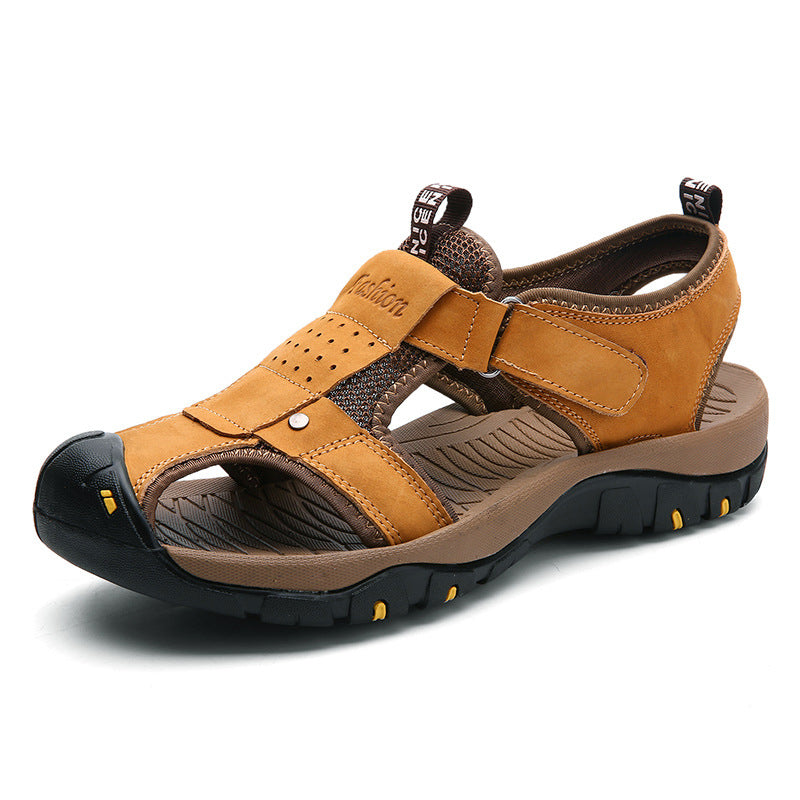
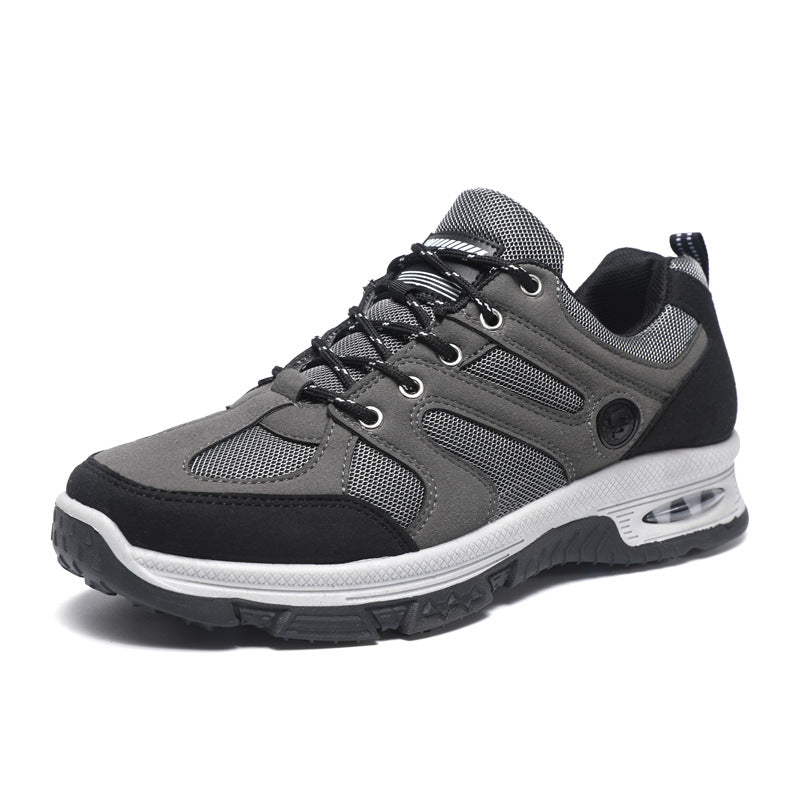
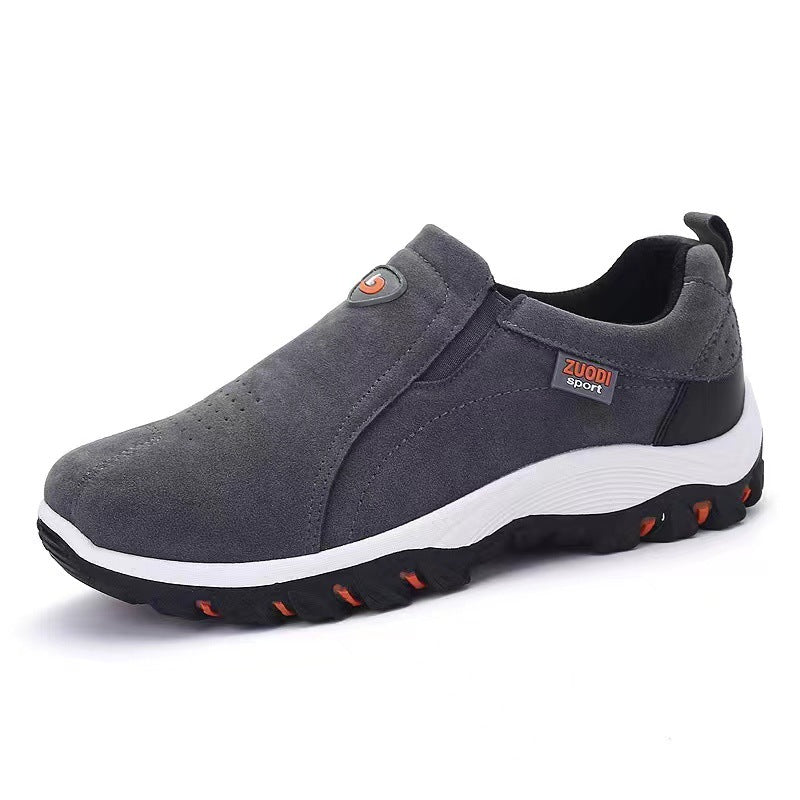
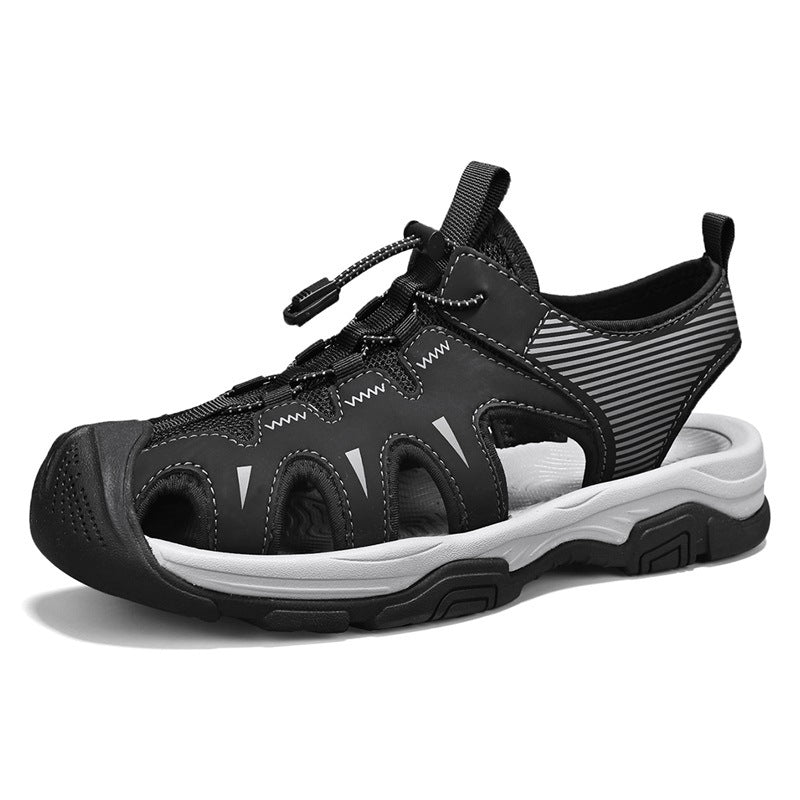
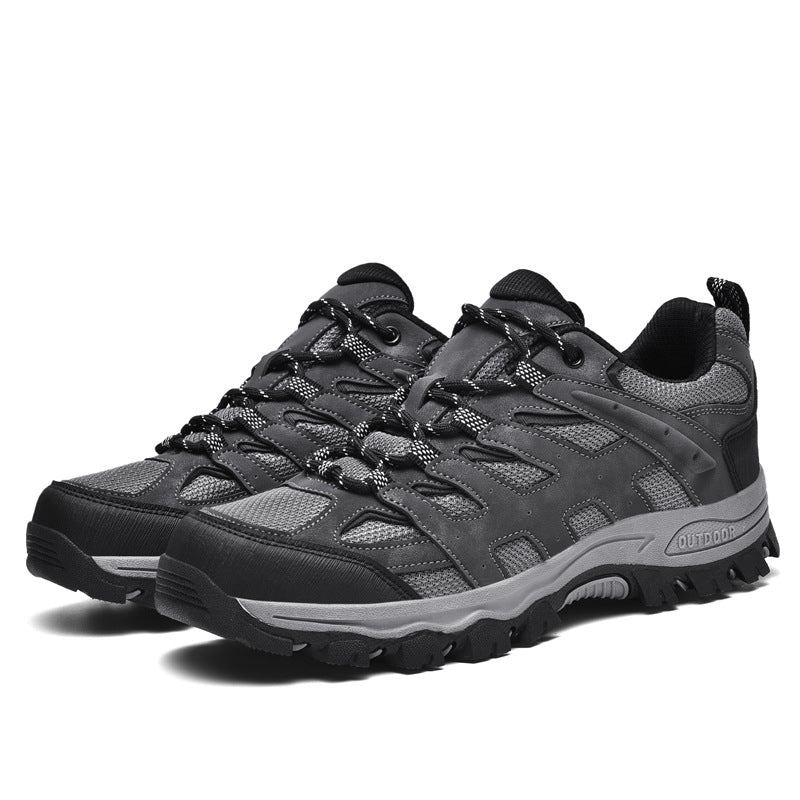
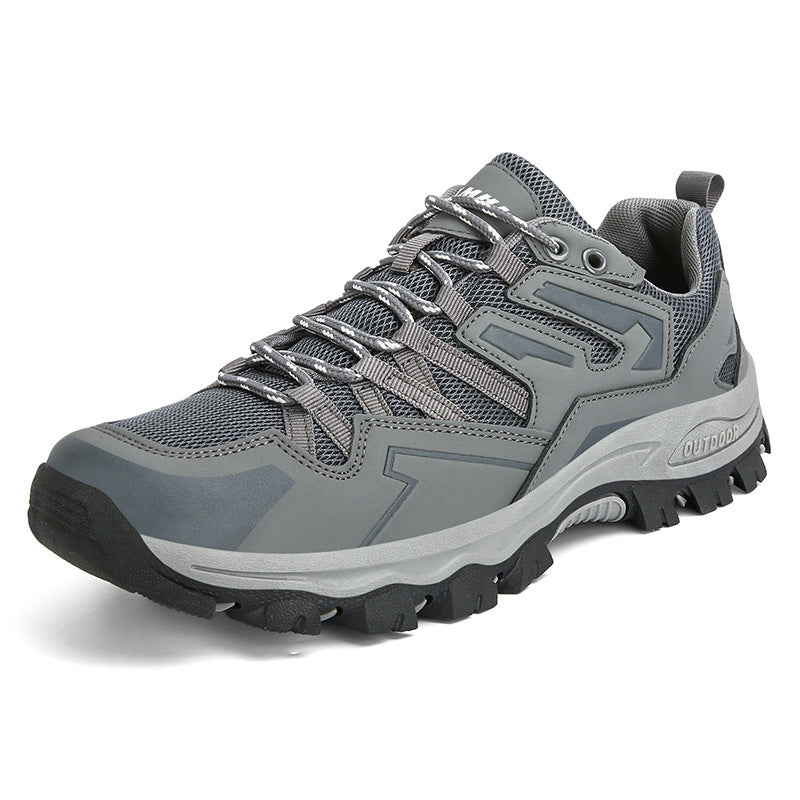
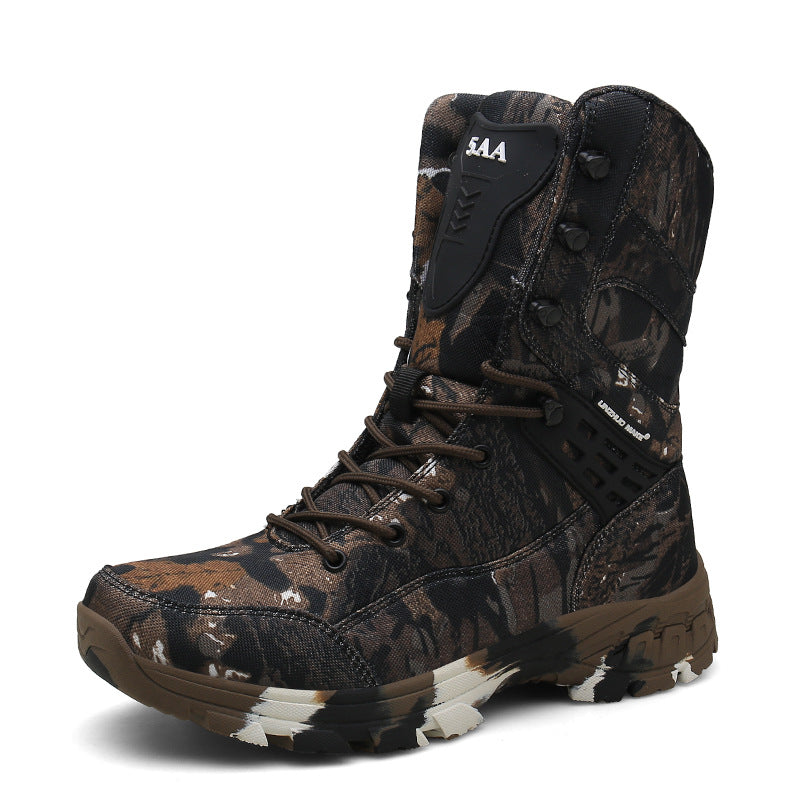
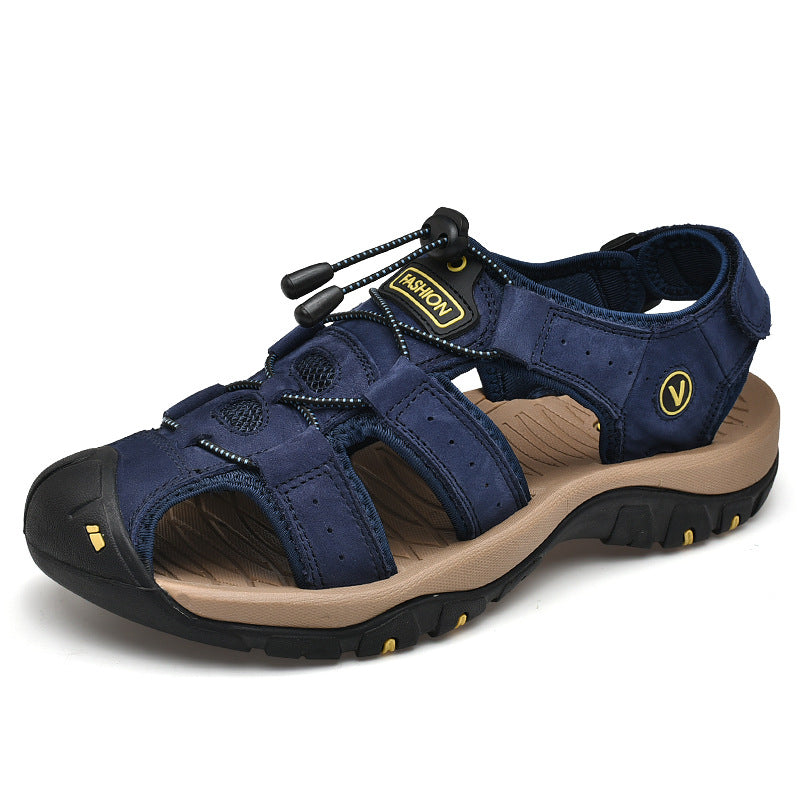
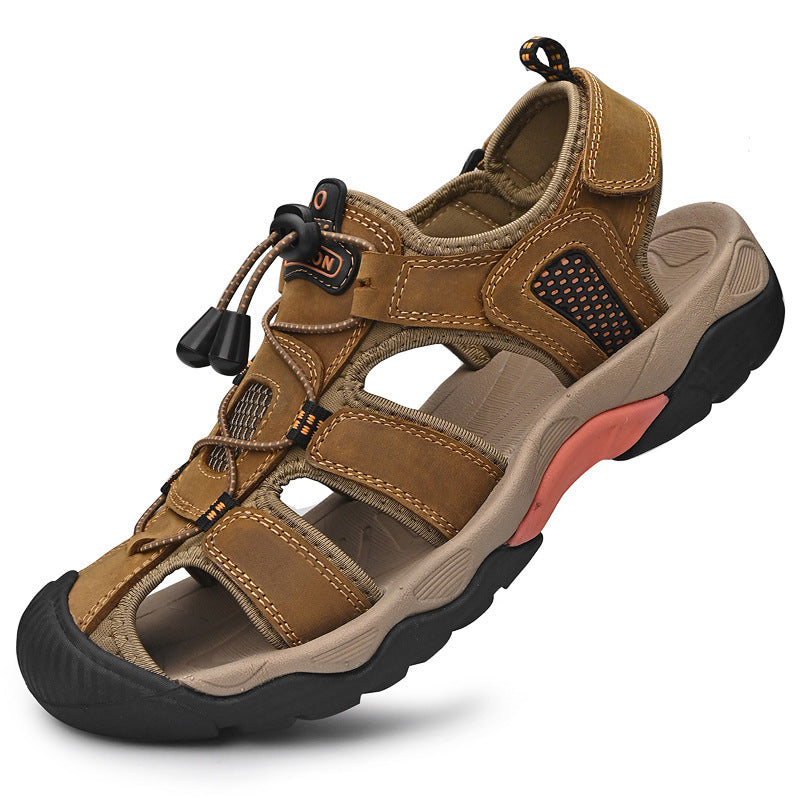
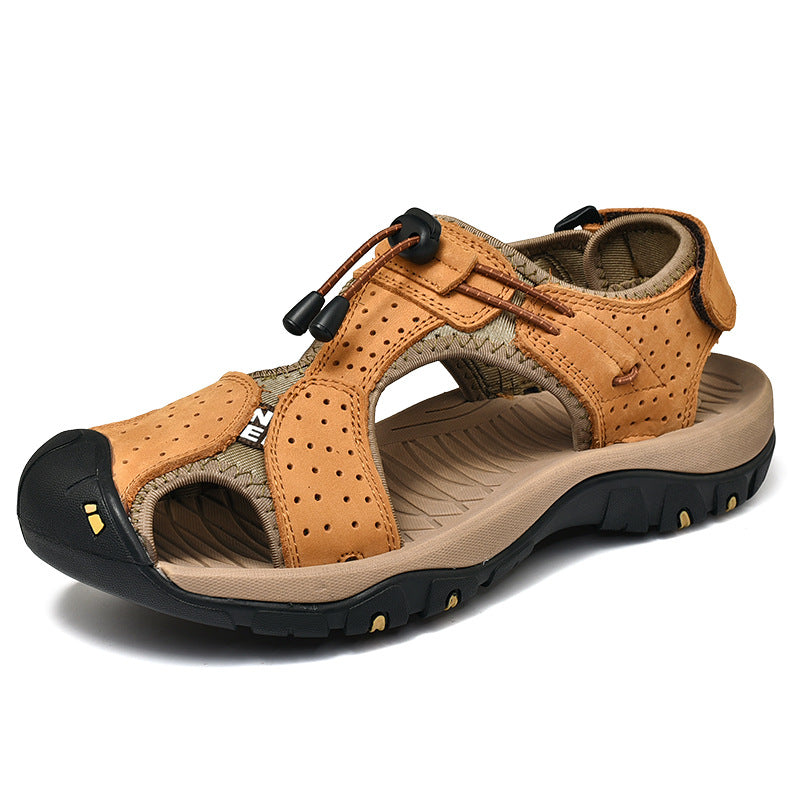
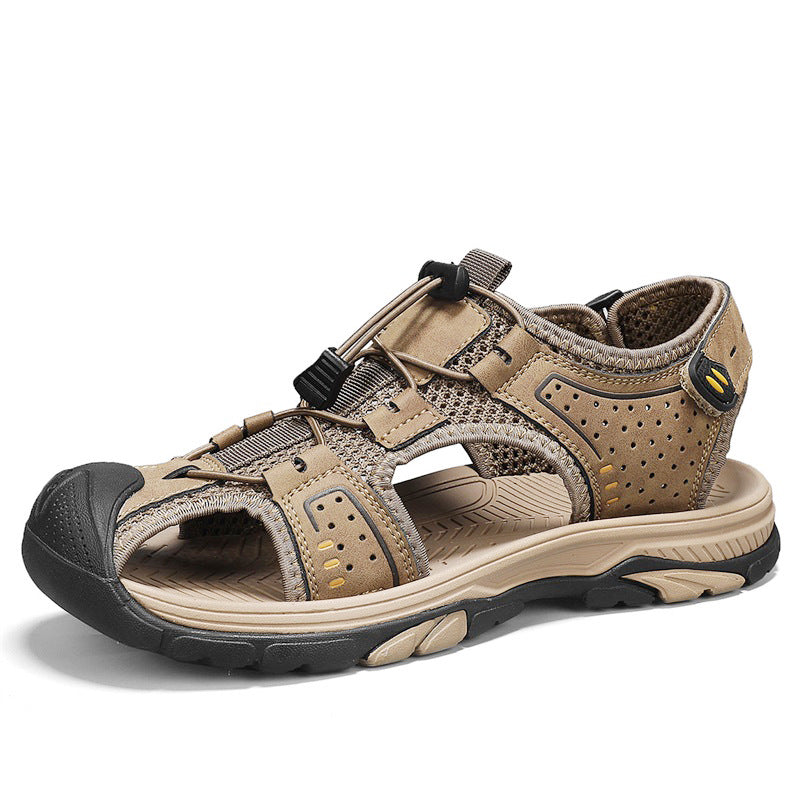
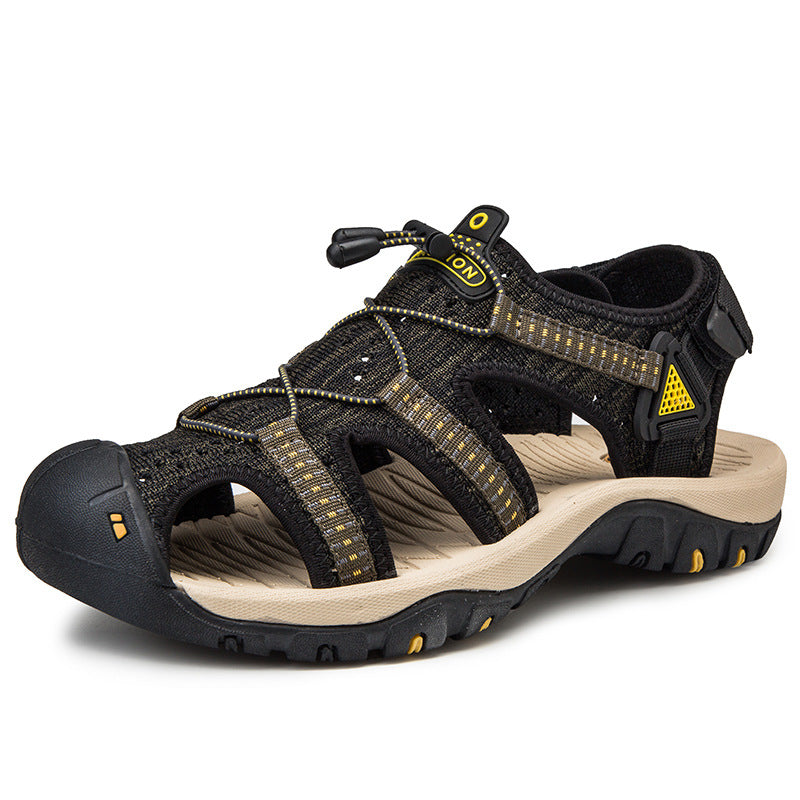
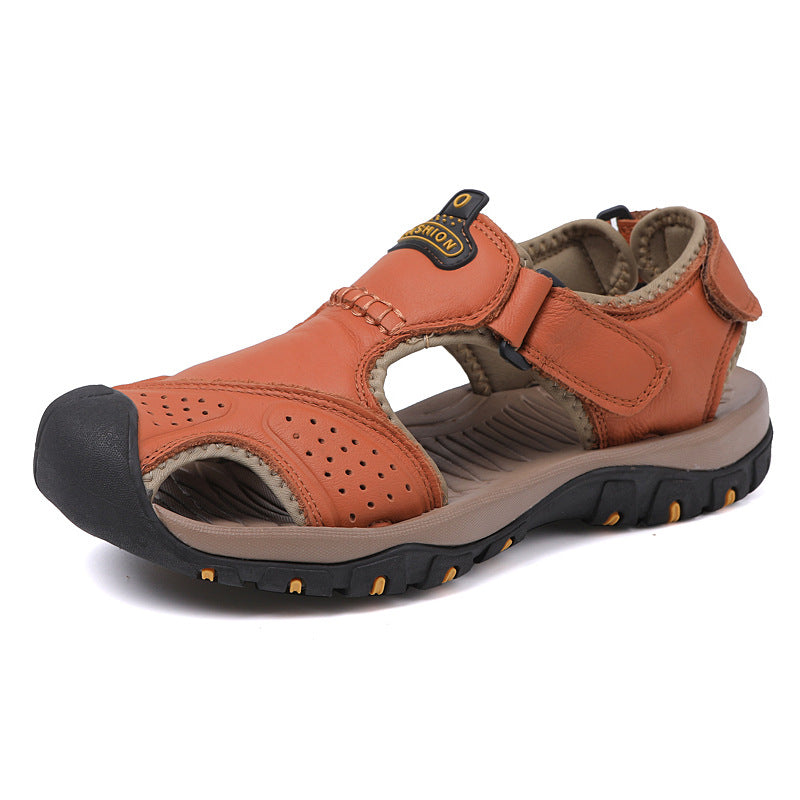
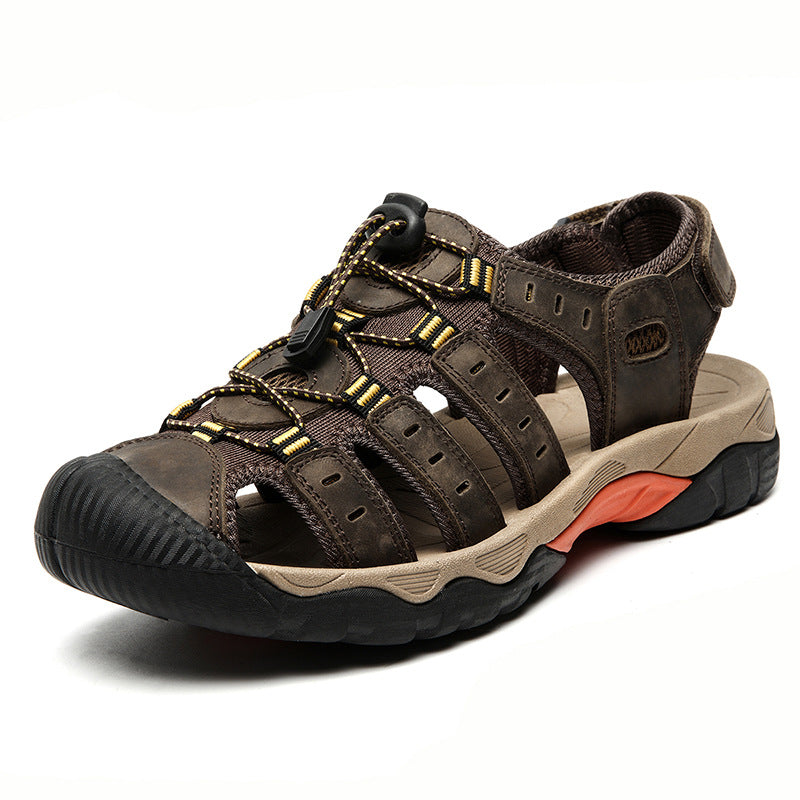
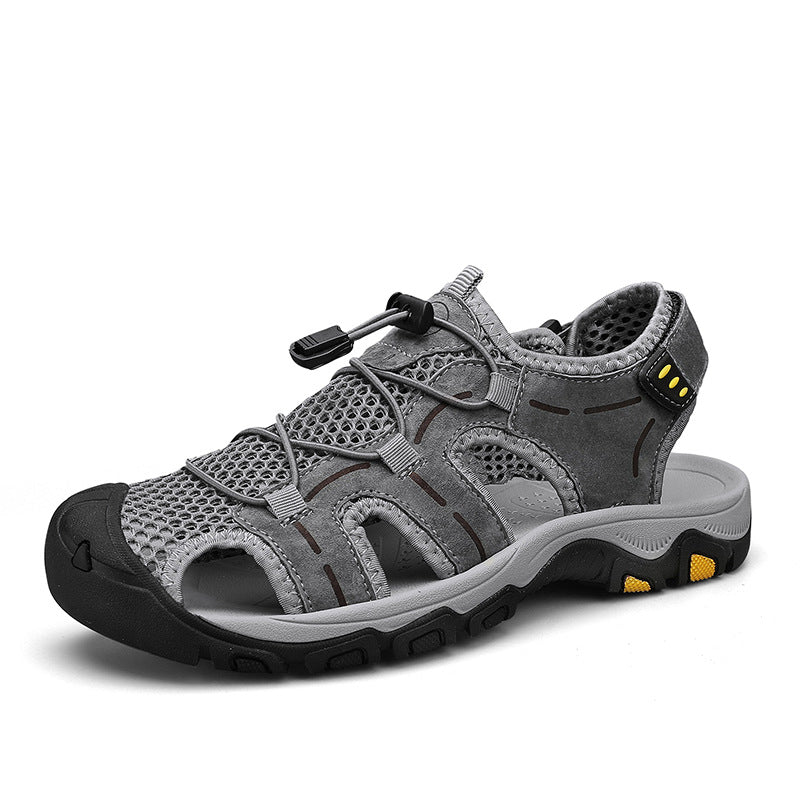
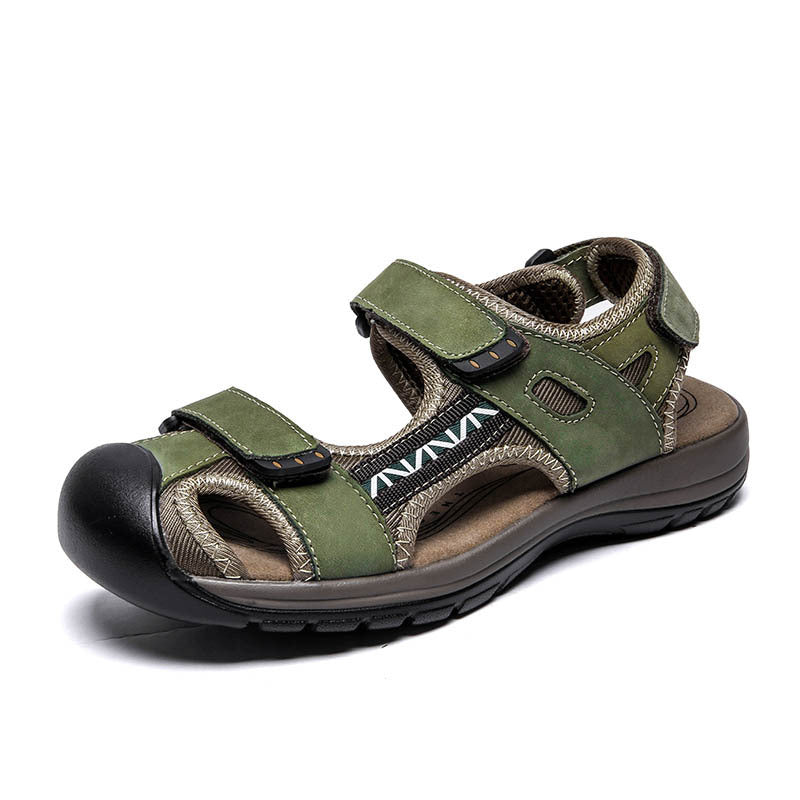
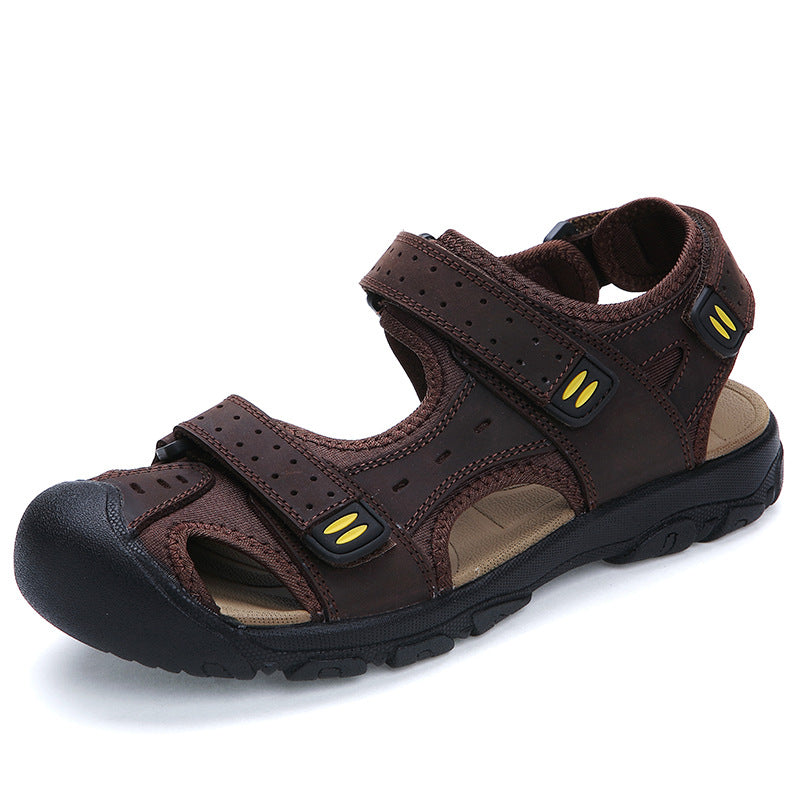
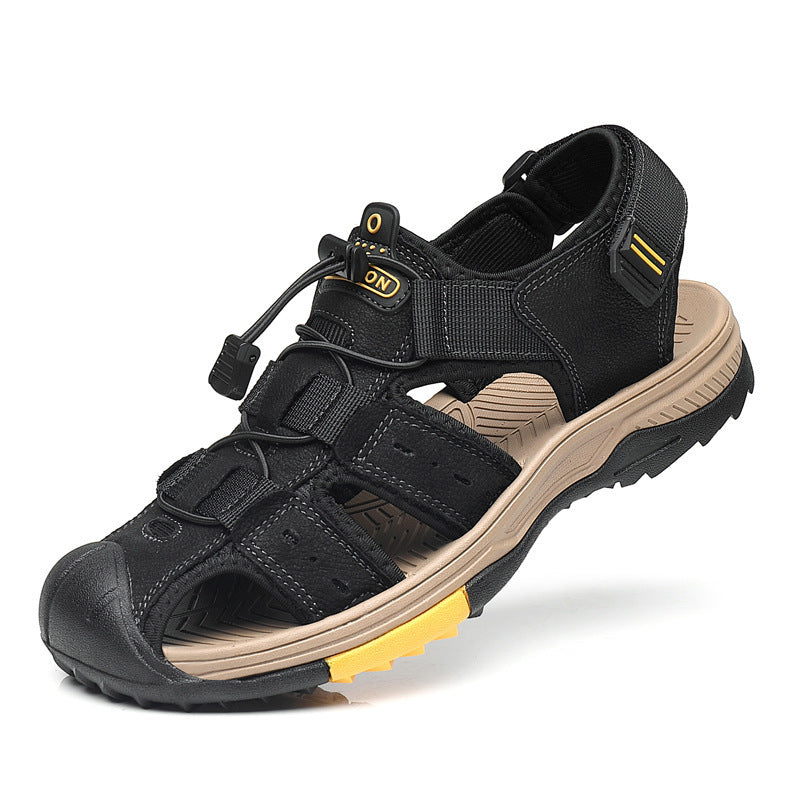
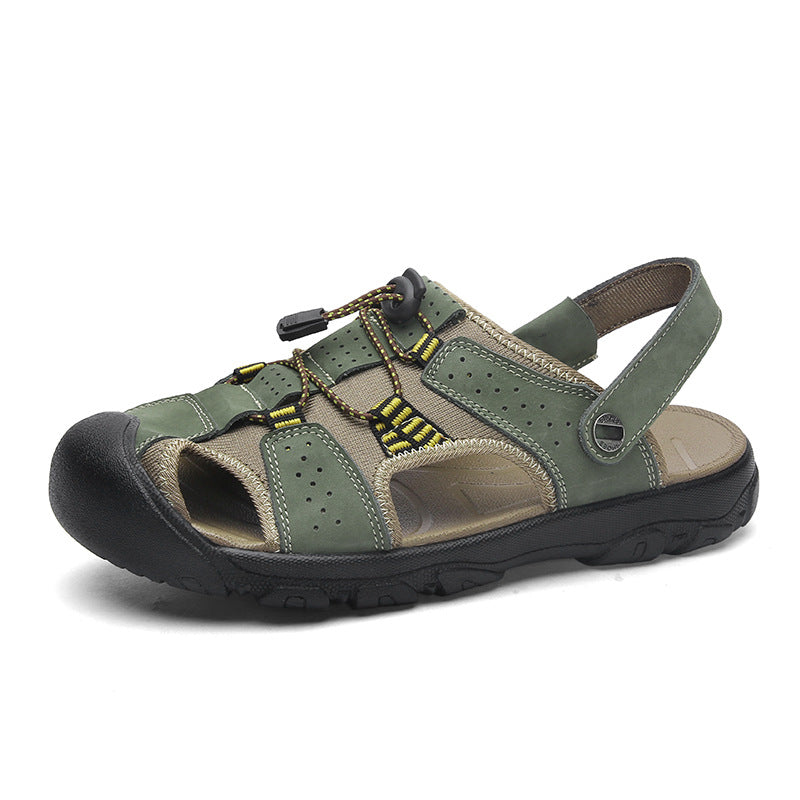
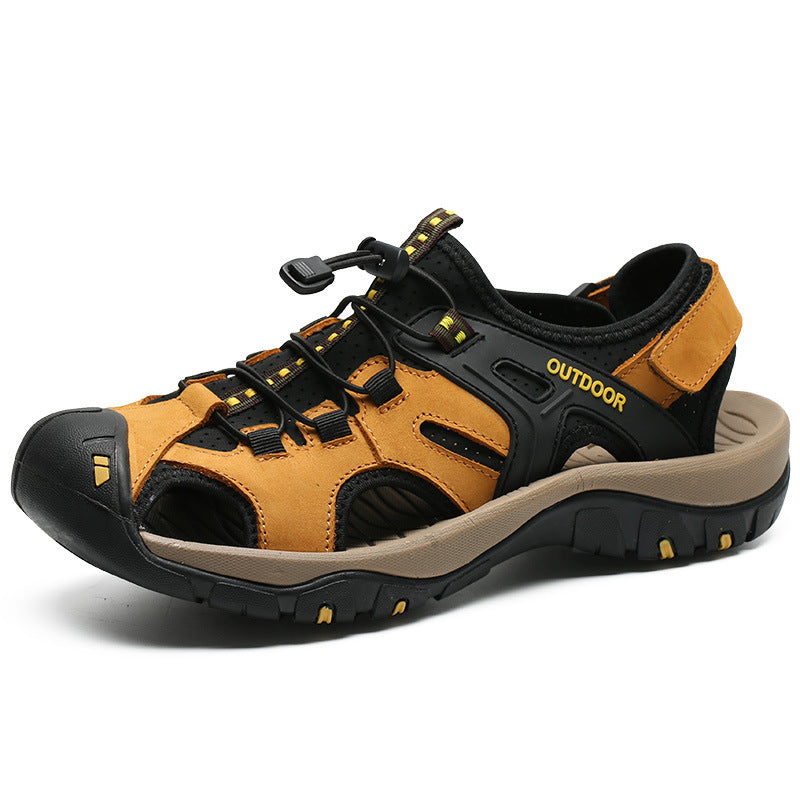
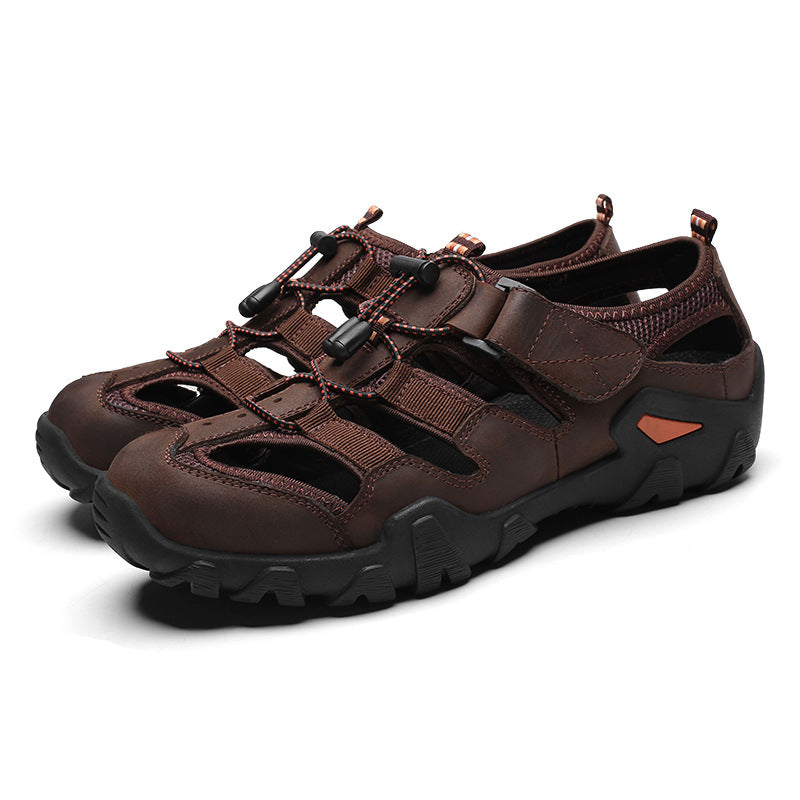
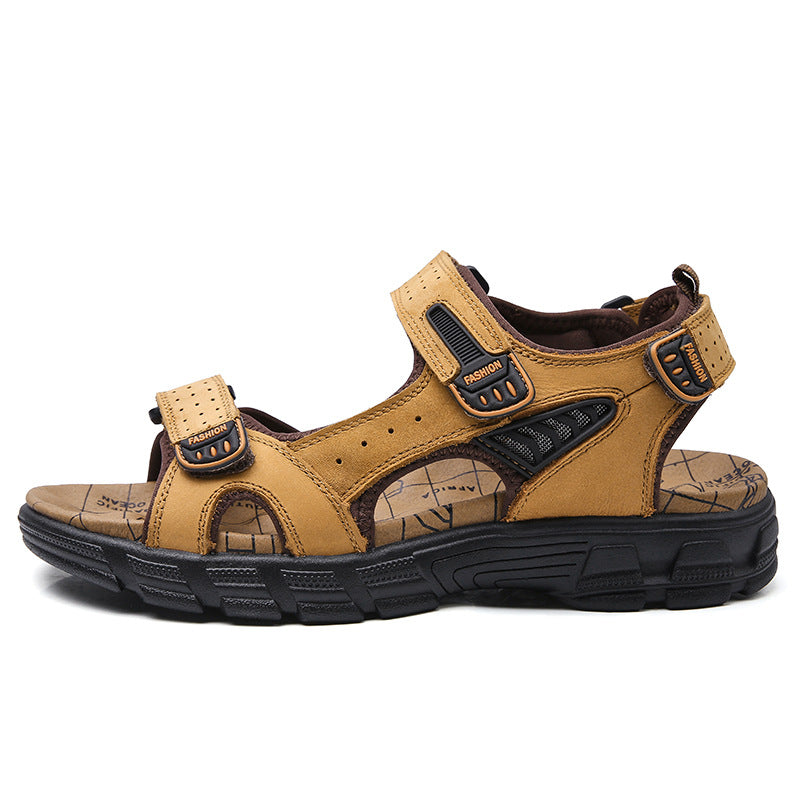
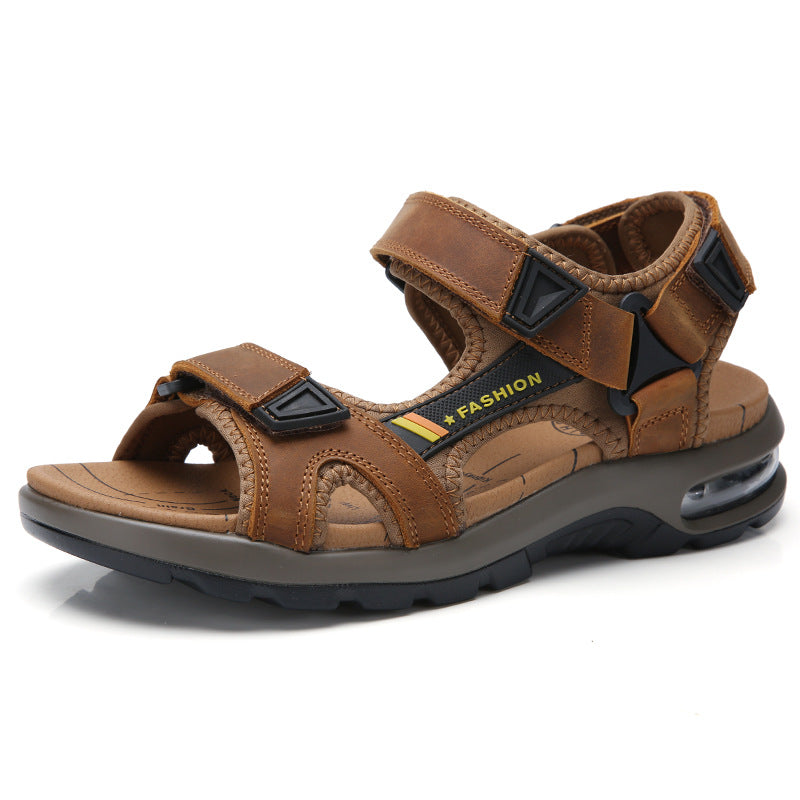
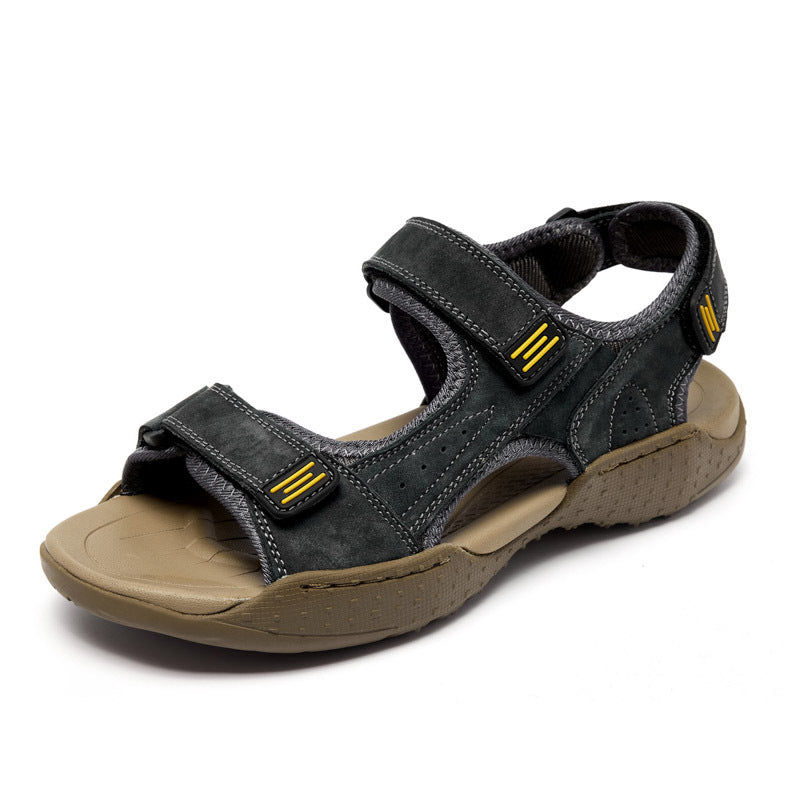
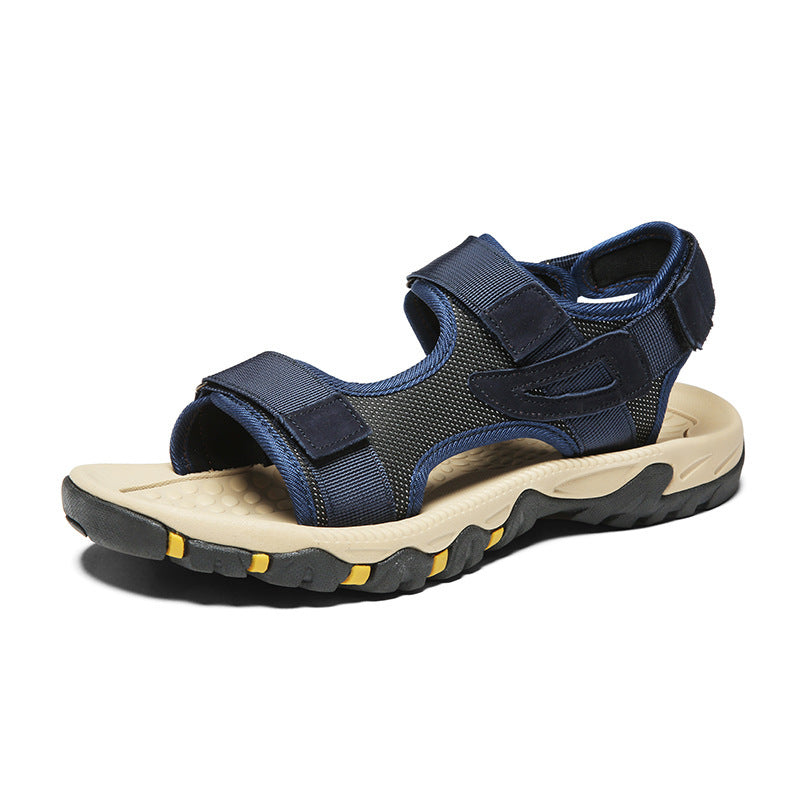
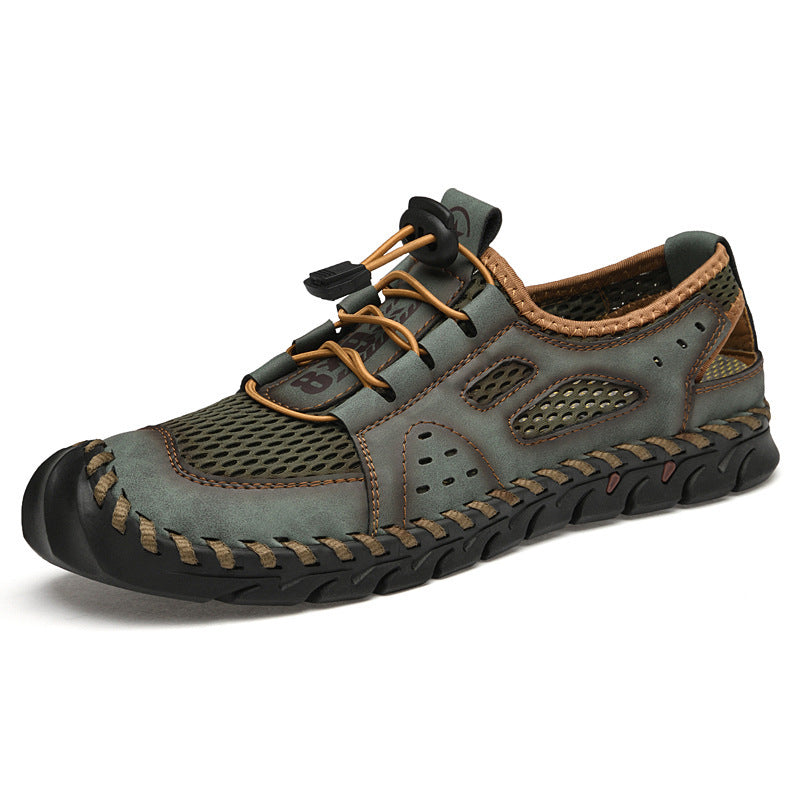
At WildKing, outdoor footwear options include waterproof hiking shoes, mid-cut hiking boots, tactical-inspired outdoor boots, and convenient automatic buckle designs.
Depending on your priorities, you can explore different styles for everyday walking, camping, trekking, and varied outdoor environments.
When comparing models, review the individual product specifications carefully, especially waterproof construction, materials, outsole features, sizing, and intended use.
Explore the WildKing Hiking & Trekking Boots Collection to find footwear that matches your next adventure.
Frequently Asked Questions
Are waterproof hiking boots worth buying?
They can be worthwhile if you frequently walk in rain, wet grass, or muddy environments. For consistently hot and dry conditions, breathable hiking shoes may be more suitable.
Can waterproof hiking boots be used every day?
Yes. Many hiking boots can be worn for commuting, casual outdoor activities, and everyday walking. Comfort, weight, and breathability should guide your decision.
How long do waterproof hiking boots last?
Lifespan depends on materials, frequency of use, terrain, maintenance, and manufacturing quality. Inspect the outsole, upper, seams, and waterproof construction regularly.
Should hiking boots fit tightly?
No. They should feel secure without squeezing your feet. Allow adequate toe space and avoid excessive heel slipping.
Are hiking boots better than sneakers?
Hiking boots may offer advantages on rugged or wet terrain, while sneakers can be comfortable for paved routes and casual walking. Choose based on the environment and activity.
Final Thoughts
The best waterproof hiking boots for men aren't necessarily the heaviest or most expensive.
They're the boots that fit your feet, match your hiking environment, and provide an appropriate combination of comfort, traction, weather protection, and durability.
Before choosing your next pair, think carefully about where you'll walk and how often you'll encounter wet conditions.
Ready for your next outdoor adventure? Discover hiking and trekking footwear at WildKing and choose a pair designed for your needs.
