




















Are Barefoot Shoes Good for Walking and Hiking? Benefits, Drawbacks, and How to Choose
Unlike traditional sneakers or hiking boots that often feature substantial cushioning, raised heels, and structured support, barefoot-style shoes aim to provide a more flexible walking experience.
But are barefoot shoes actually good for walking and hiking?
The answer depends on your foot health, activity level, walking environment, and how gradually you adjust to minimalist footwear.
Some people enjoy the flexibility, spacious toe boxes, and close-to-ground feeling of barefoot shoes. Others find that conventional footwear provides the cushioning and support they need.
In this guide, we'll explore how barefoot shoes work, their potential advantages and disadvantages, and what to consider before choosing your next pair.
1. What Are Barefoot Shoes?
Barefoot shoes are footwear designed to allow more natural foot movement while still providing a protective barrier between your feet and the ground.
They are often called minimalist shoes.
Although designs vary, many share several features.
Wide Toe Box
A wide toe box gives your toes room to spread comfortably.
This differs from footwear with a narrow or sharply tapered front.
Proper toe space can be especially appealing to people who experience pressure in conventional shoes.
Flexible Sole
Barefoot-style shoes often feature flexible soles that move with the foot.
This flexibility can allow more natural bending during walking.
However, the exact level of flexibility varies considerably between products.
Low or Zero Heel Drop
Heel drop refers to the height difference between the heel and forefoot.
Traditional athletic shoes often position the heel higher than the toes.
Zero-drop footwear places the heel and forefoot at approximately the same height.
Not every product marketed as barefoot has a true zero-drop construction, so always check its specifications.
Reduced Cushioning
Many minimalist shoes have thinner soles than conventional footwear.
This can increase ground feel but may also provide less impact cushioning.
The ideal amount of cushioning depends on individual comfort and the walking surface.
2. What Are the Potential Benefits of Barefoot Shoes?
Greater Freedom of Movement
One of the main attractions of barefoot footwear is flexibility.
A flexible sole can allow the foot to move differently from how it moves inside a rigid shoe.
This may appeal to people who enjoy walking on natural surfaces or prefer less restrictive footwear.
More Room for Your Toes
A spacious toe box can reduce unwanted pressure caused by narrow shoes.
When trying barefoot shoes, your toes should be able to rest comfortably without being squeezed together.
However, a wide toe box alone does not guarantee that the overall shoe will fit correctly.
Heel security and midfoot fit remain important.
Increased Ground Awareness
Thin, flexible soles can make it easier to feel changes in the ground beneath your feet.
Some users appreciate this sensation during walking, balance activities, and light outdoor exercise.
Others prefer more cushioning between their feet and rough surfaces.
Neither preference is automatically better.
Different Muscle Demands
Minimalist footwear changes how your feet and lower legs handle movement.
Because the footwear provides less cushioning and structure, certain muscles and tendons may need to work differently.
Some research suggests that gradually transitioning to minimalist footwear may influence foot muscle strength and walking mechanics.
However, potential benefits are not guaranteed, and more minimalist is not always healthier.
The transition process matters.
3. Are Barefoot Shoes Good for Everyday Walking?
Barefoot shoes can be comfortable for everyday walking when they fit correctly and suit the wearer's needs.
They may work particularly well for people who prefer lightweight, flexible footwear.
Common situations include:
-
Short neighborhood walks.
-
Casual errands.
-
Light outdoor activities.
-
Relaxed travel days.
-
Walking on familiar, even surfaces.
However, some people may find minimalist shoes uncomfortable during long days on concrete or other hard surfaces.
Reduced cushioning may place greater demands on the feet and lower legs.
If you're accustomed to heavily cushioned shoes, switching immediately to barefoot footwear for an entire day may cause soreness or discomfort.
Start with manageable activities before increasing your walking distance.
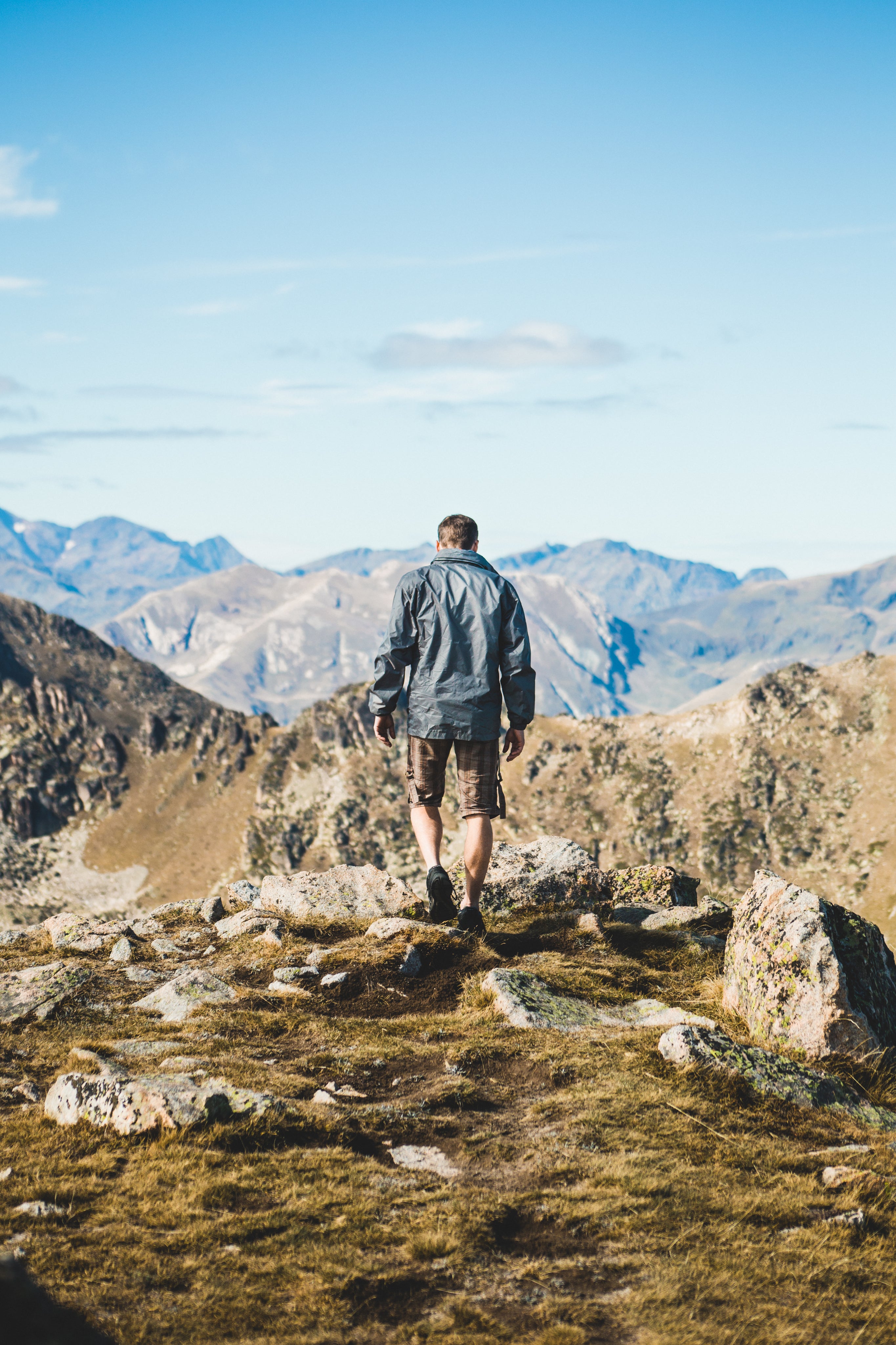
4. Can You Wear Barefoot Shoes for Hiking?
Yes, certain barefoot shoes are designed for hiking, but they are not suitable for every trail or every hiker.
The most important considerations are terrain, weather, foot protection, and personal experience.
Maintained Nature Trails
Lightweight barefoot hiking shoes may be suitable for relatively smooth trails, especially for users who are already comfortable with minimalist footwear.
Look for a secure fit and an outsole appropriate for the surface.
Rocky Trails
Rocky environments create greater demands for underfoot protection.
Thin soles may expose your feet to more pressure from sharp or uneven surfaces.
Some minimalist hiking shoes offer protective outsoles, but the amount of protection varies.
If your route involves sharp rocks, loose scree, or demanding descents, consider whether a more protective hiking shoe or boot would be a better choice.
Wet and Muddy Trails
Water management is especially important.
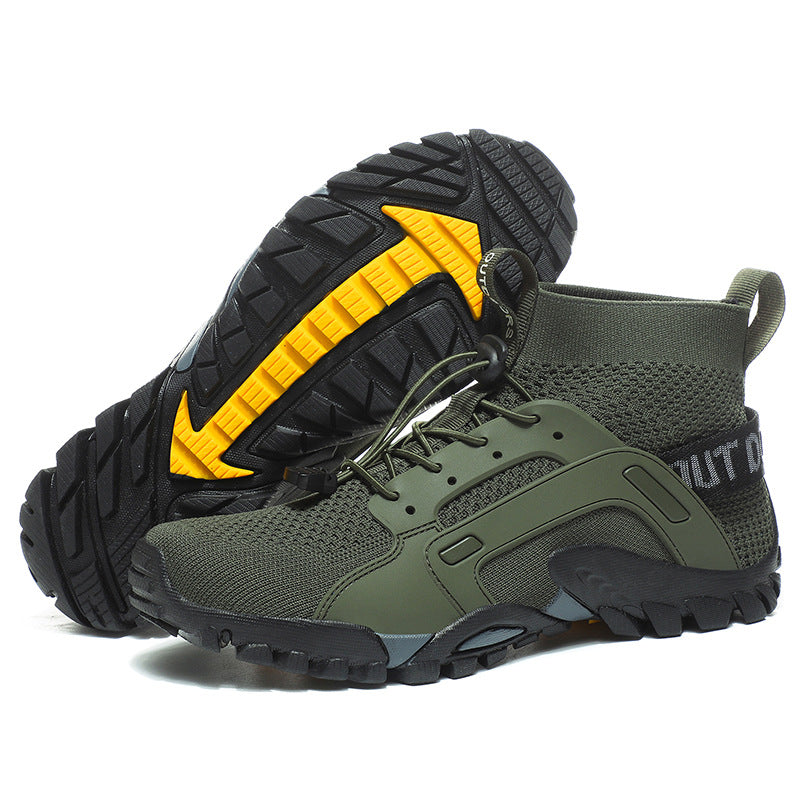
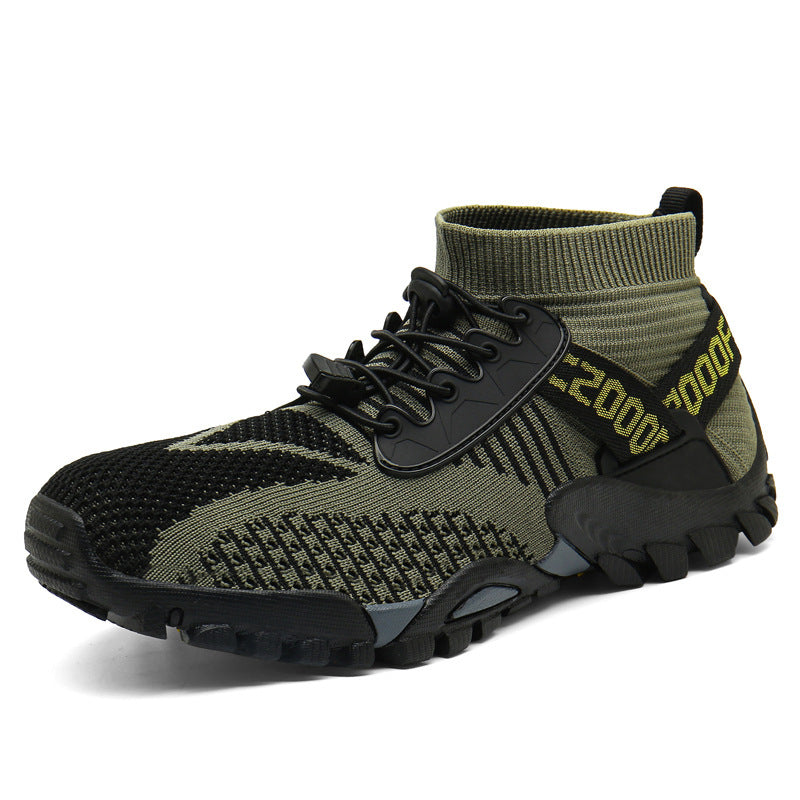
Some barefoot-style outdoor shoes use quick-drying materials, which can be useful around water.
Others are designed with water-resistant or waterproof components.
Quick-drying does not mean waterproof.
Likewise, a shoe described as suitable for water activities may not provide the traction or protection required for difficult hiking terrain.
Long-Distance Hiking
Long hikes can increase fatigue and place repetitive stress on the feet.
Experienced minimalist footwear users may enjoy long-distance walking, but beginners should avoid suddenly increasing their distance.
If you are carrying a heavy backpack or exploring technical routes, prioritize appropriate stability, protection, and comfort.
5. Barefoot Shoes vs. Traditional Hiking Shoes
Understanding the differences can help you make an informed choice.
Barefoot Shoes
Typical characteristics include:
-
Flexible construction.
-
Lower heel drop.
-
Reduced cushioning.
-
Greater ground feel.
-
Roomier toe-box designs.
These features can appeal to people seeking a less structured footwear experience.
Traditional Hiking Shoes
Conventional hiking shoes frequently provide:
-
More underfoot cushioning.
-
Greater structural support.
-
More protective midsoles.
-
Specialized traction systems.
-
Additional protection from uneven terrain.
They may be preferable for hikers who want cushioning, stability, or more substantial protection.
Which Is Better?
There is no universal winner.
For casual walking on comfortable surfaces, minimalist footwear may be a practical choice.
For rugged mountain trails or prolonged walking with heavy equipment, traditional hiking footwear may offer advantages.
The best shoe is the one that matches your physical needs and intended activity.
6. How to Transition to Barefoot Shoes Safely
Transitioning gradually is one of the most important considerations for anyone new to minimalist footwear.
A sudden change in cushioning or heel drop may increase stress on muscles, tendons, and joints.
Step 1: Begin with Short Walks
Start with brief periods, such as 10–15 minutes of comfortable walking.
Pay attention to how your feet and calves feel during the activity and afterward.
Step 2: Alternate with Your Regular Shoes
You don't need to replace all your conventional footwear immediately.
Continue using familiar shoes while gradually introducing minimalist footwear.
Step 3: Increase Your Walking Time Slowly
When shorter walks feel comfortable, increase your exposure gradually.
There is no single transition schedule that works for everyone.
Step 4: Pay Attention to Discomfort
Temporary muscle awareness can occur when changing footwear.
However, persistent pain, sharp discomfort, or increasing soreness should not be ignored.
Reduce activity and seek professional guidance when necessary.
Step 5: Consider Your Individual Foot Health
People with a history of Achilles tendon problems, foot injuries, persistent pain, or other relevant conditions should consider consulting a qualified healthcare professional before making significant footwear changes.
Barefoot shoes are not a medical treatment or guaranteed solution to foot problems.
7. How to Choose the Best Barefoot Shoes for Men
Before buying, check several practical details.
Toe-Box Shape
Your toes should have adequate space to move naturally.
A shoe that is wide at the front but loose around the heel may still fit poorly.
Sole Thickness
Thinner soles generally provide more ground feel.
Thicker soles may offer greater protection from rough surfaces.
Choose based on your comfort level and intended activity.
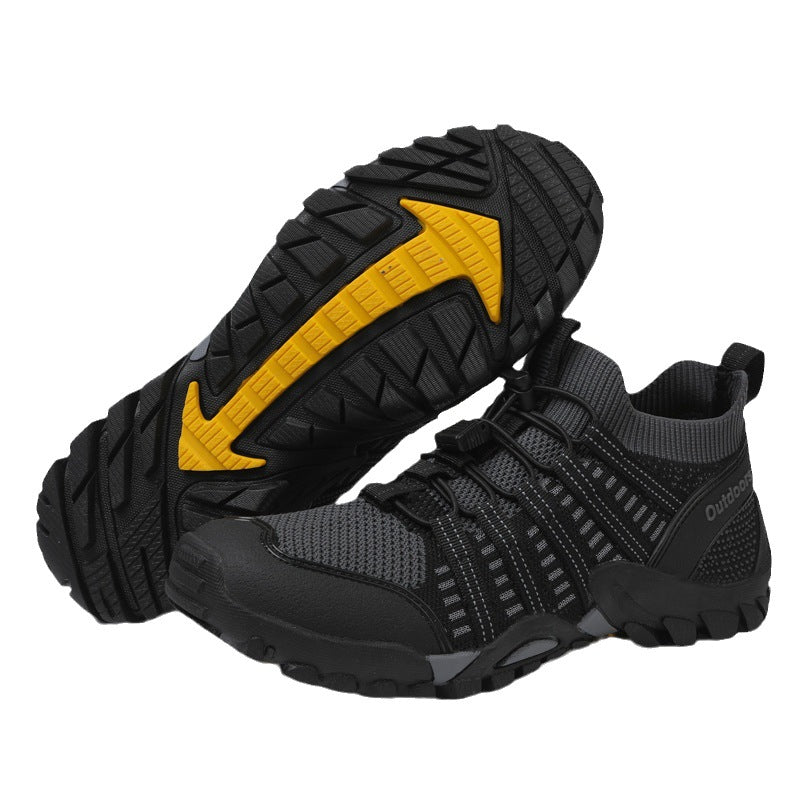
Outsole Grip
For hiking and outdoor walking, consider the tread design and the surfaces you expect to encounter.
An outsole suitable for dry pavement may not perform equally well on muddy trails.
Breathability
Breathable materials may improve comfort in warm weather.
Quick-drying options can also be useful for casual outdoor activities where footwear is likely to become wet.
Correct Sizing
Avoid selecting a larger size solely to obtain extra toe space.
Use the manufacturer's size guide and check length, width, and overall fit.
8. Common Mistakes to Avoid
Mistake 1: Switching too quickly.
Your feet may need time to adapt to a different walking experience.
Mistake 2: Assuming all barefoot shoes are identical.
Construction, flexibility, cushioning, and materials vary between models.
Mistake 3: Using lightweight shoes on unsuitable terrain.
Make sure your footwear provides appropriate protection for the activity.
Mistake 4: Ignoring persistent discomfort.
Pain is not proof that your feet are becoming stronger.
Mistake 5: Choosing based only on appearance.
Fit, intended use, and comfort are more important than marketing claims.
9. Explore Barefoot-Inspired Footwear at WildKing
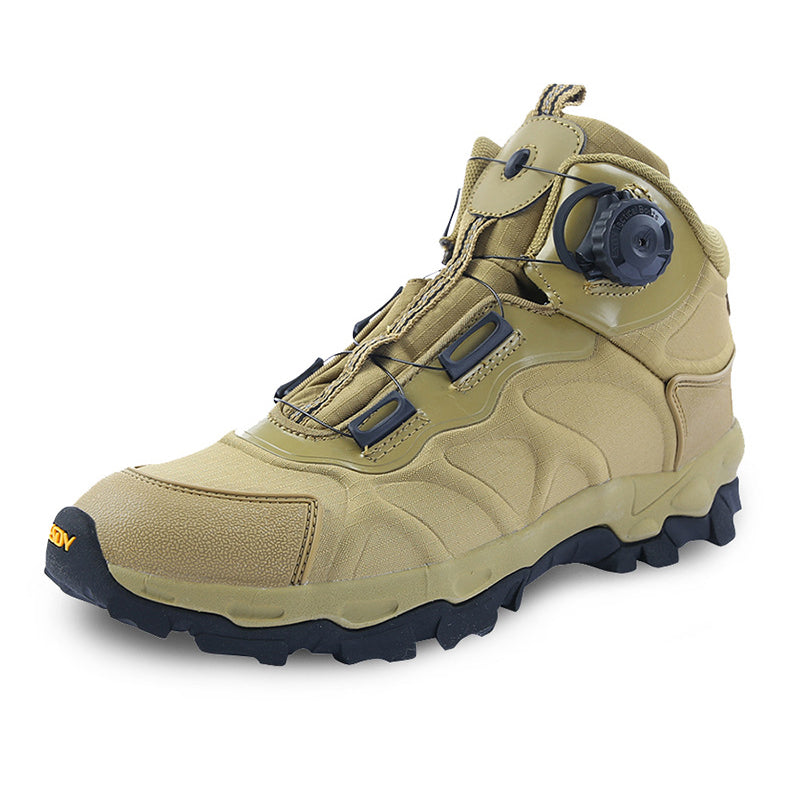
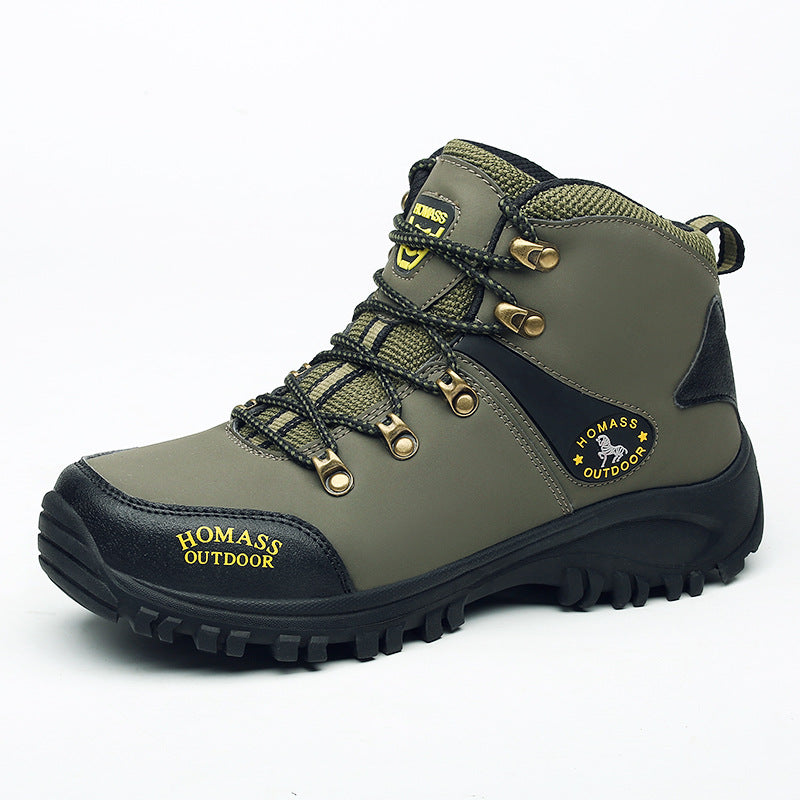
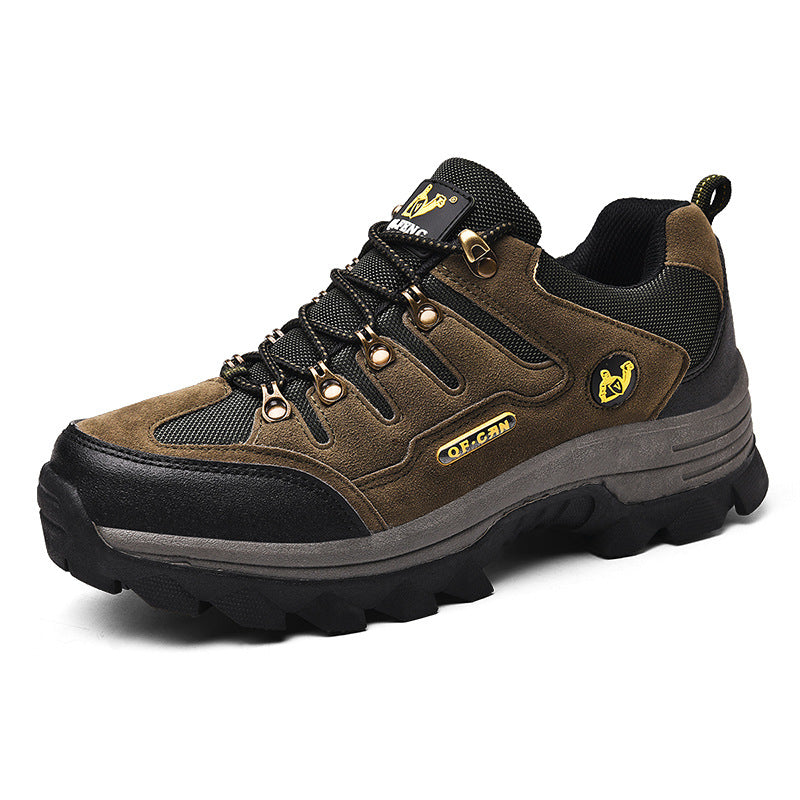
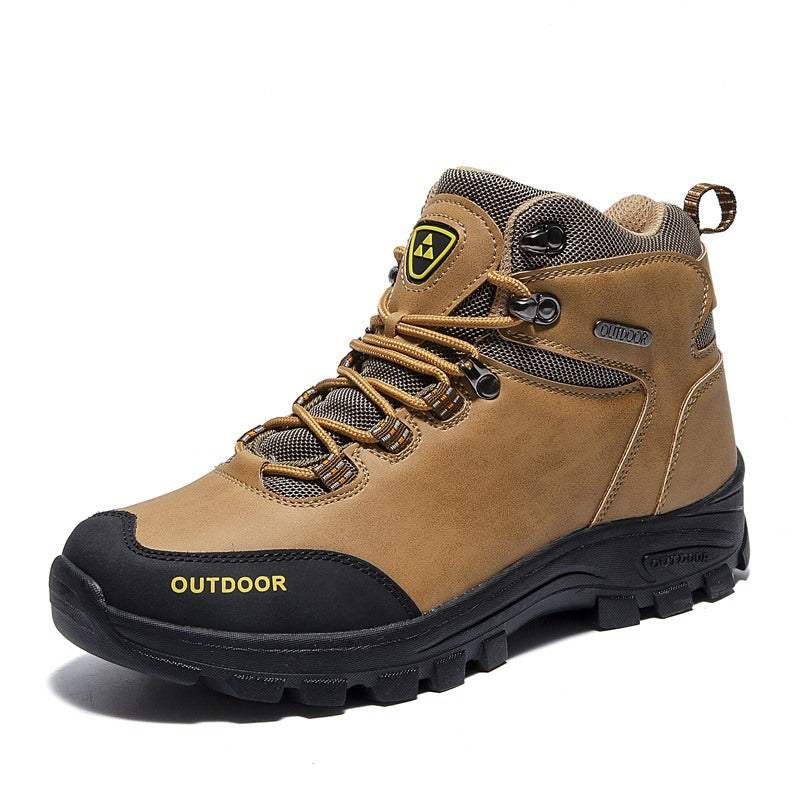
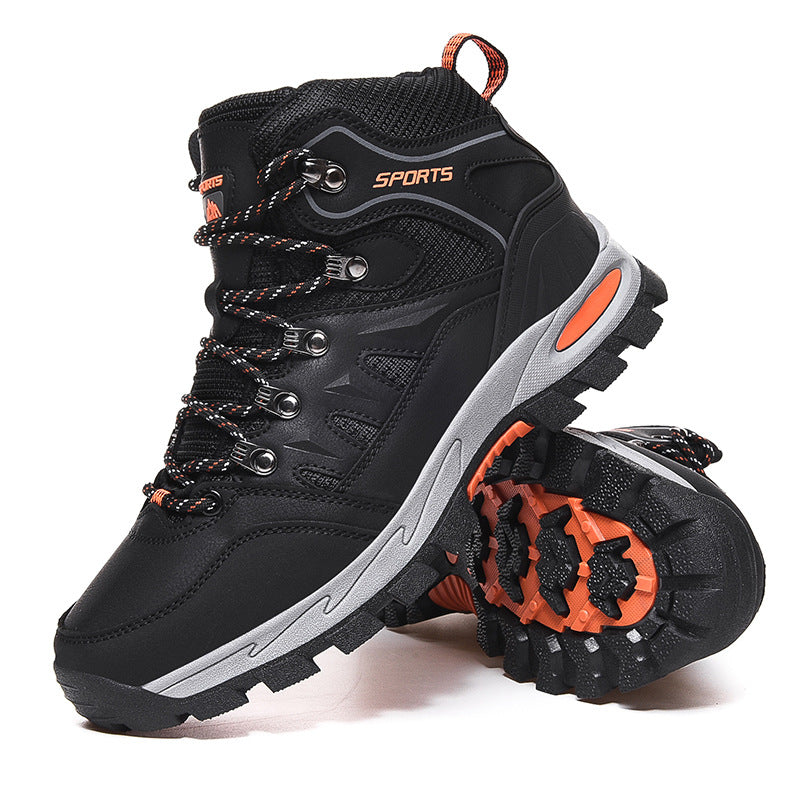
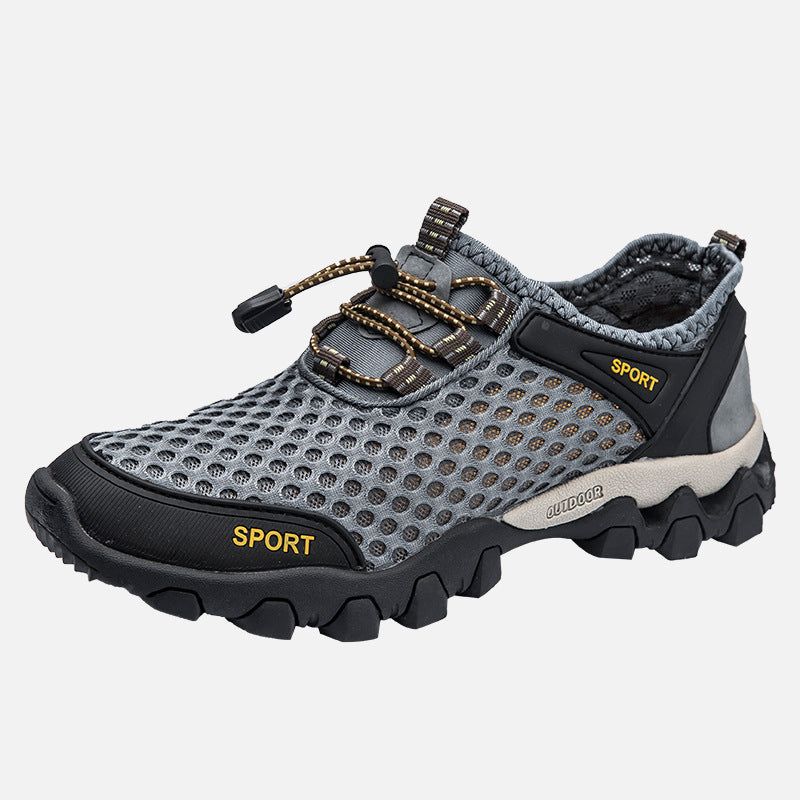
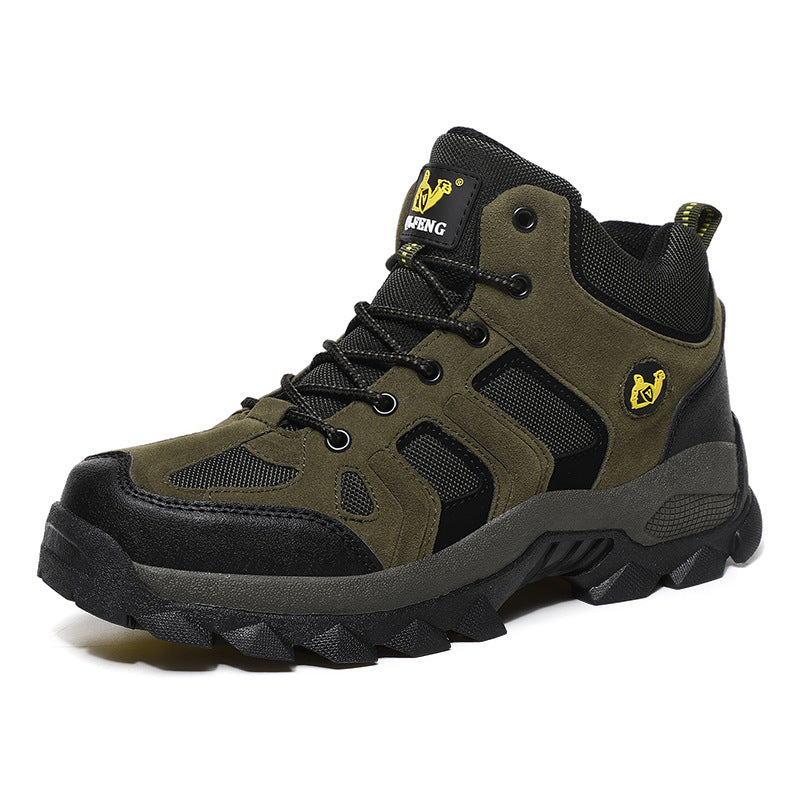
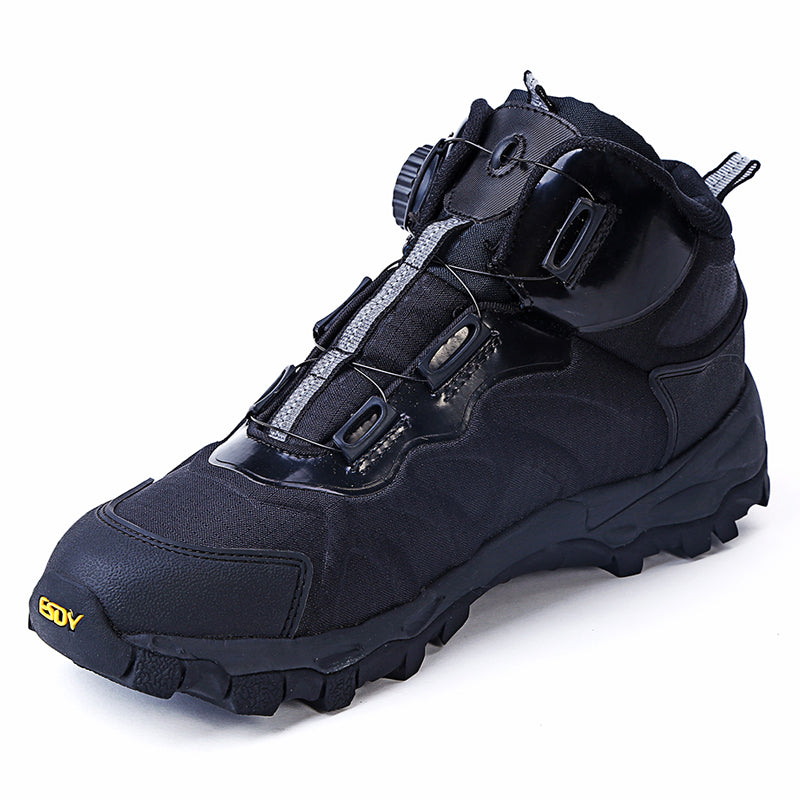
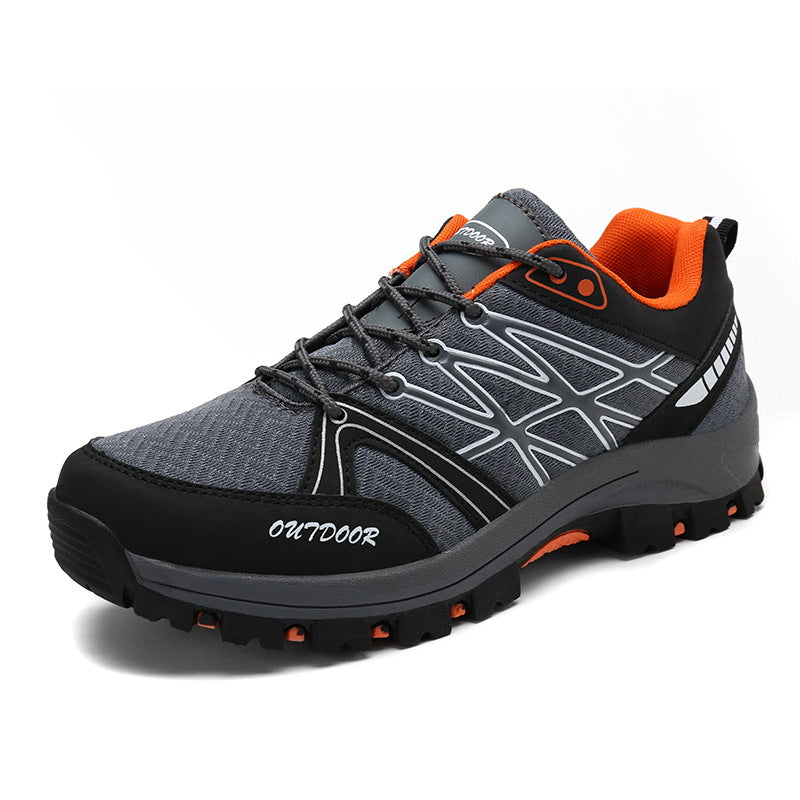
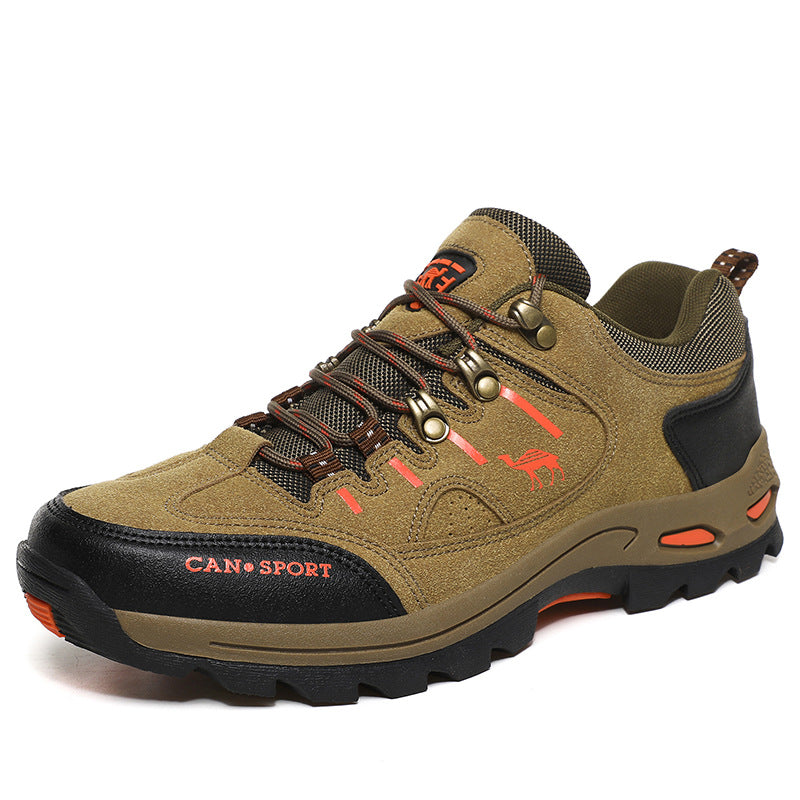
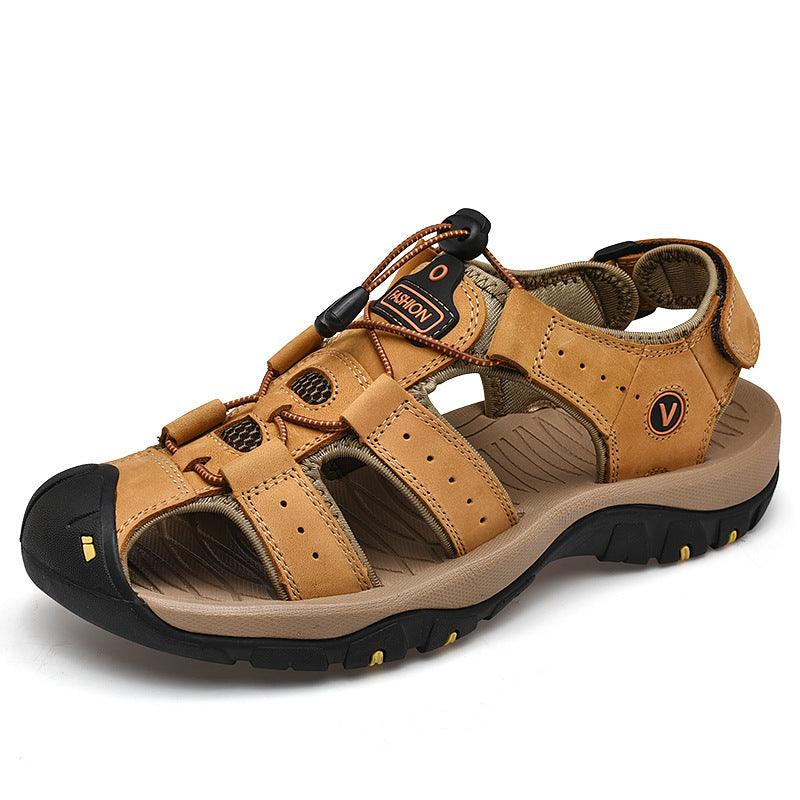
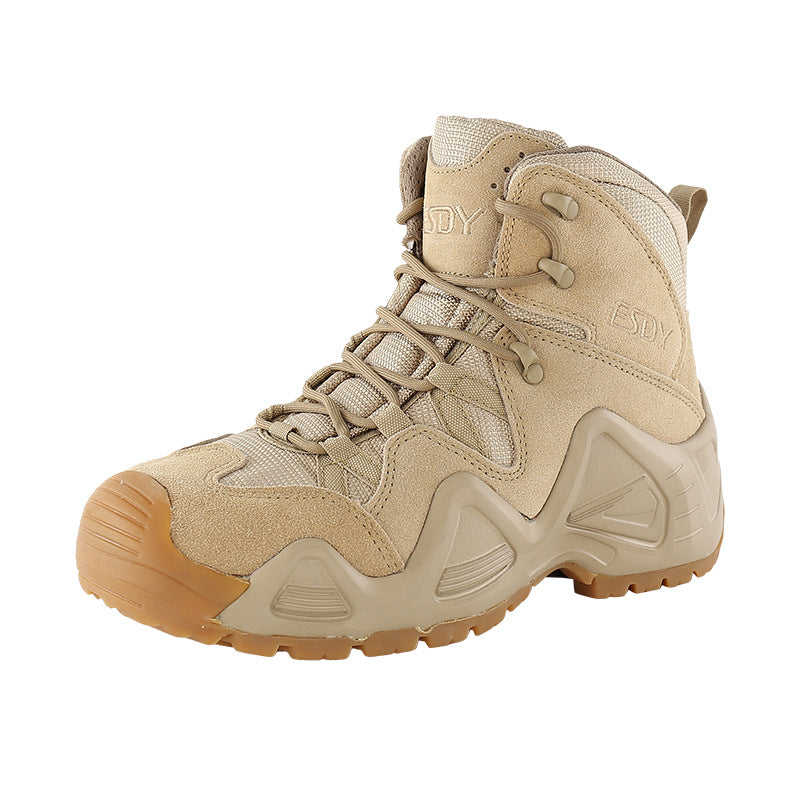
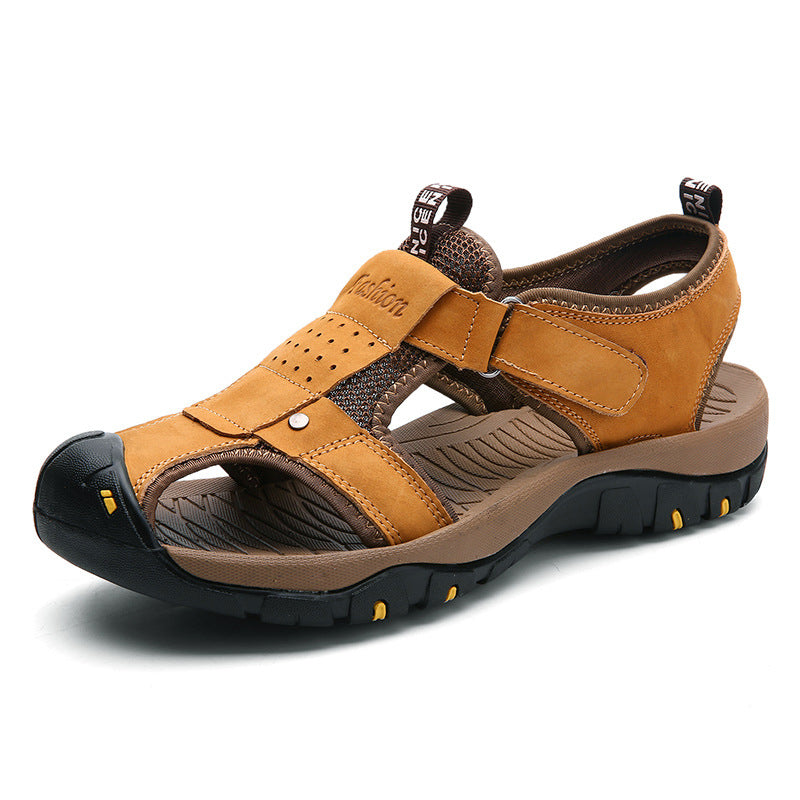
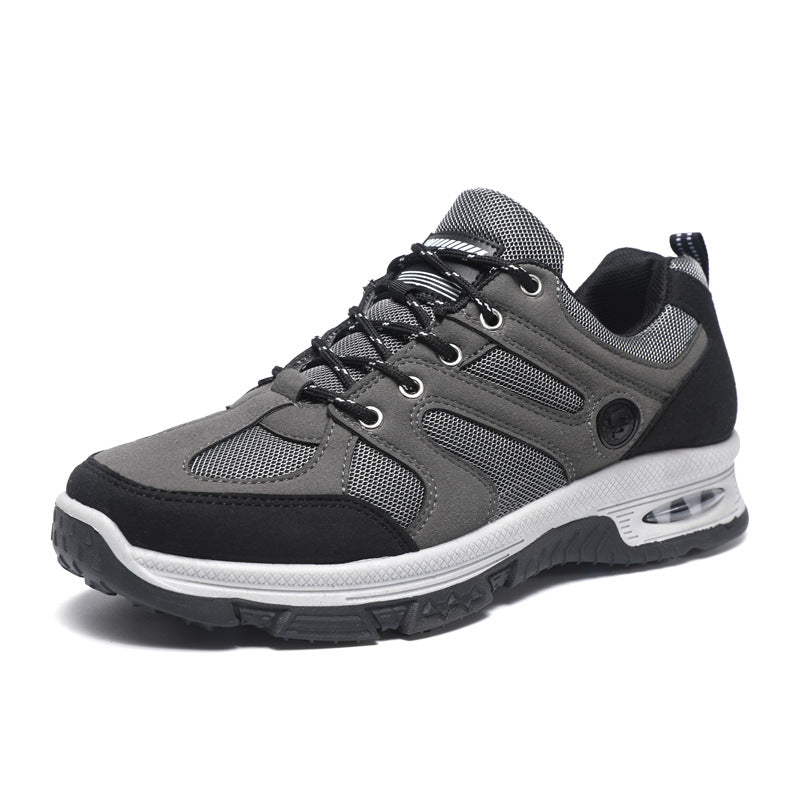
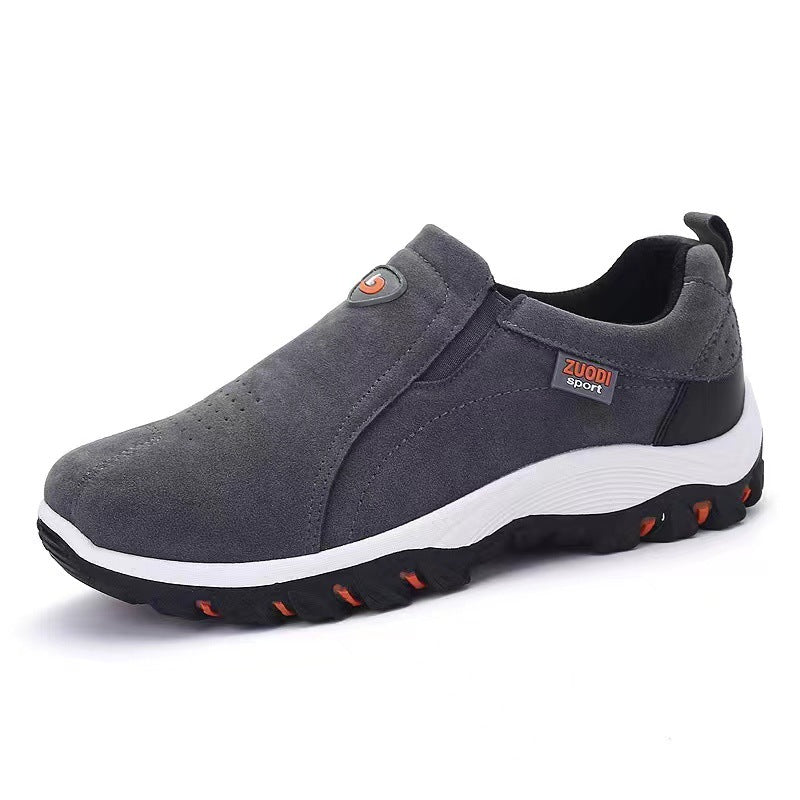
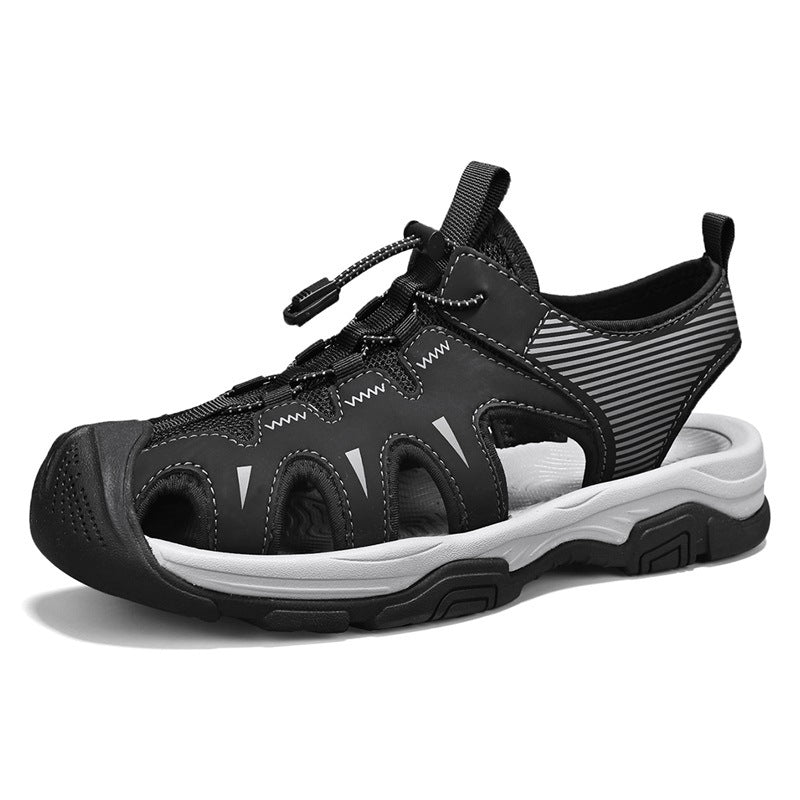
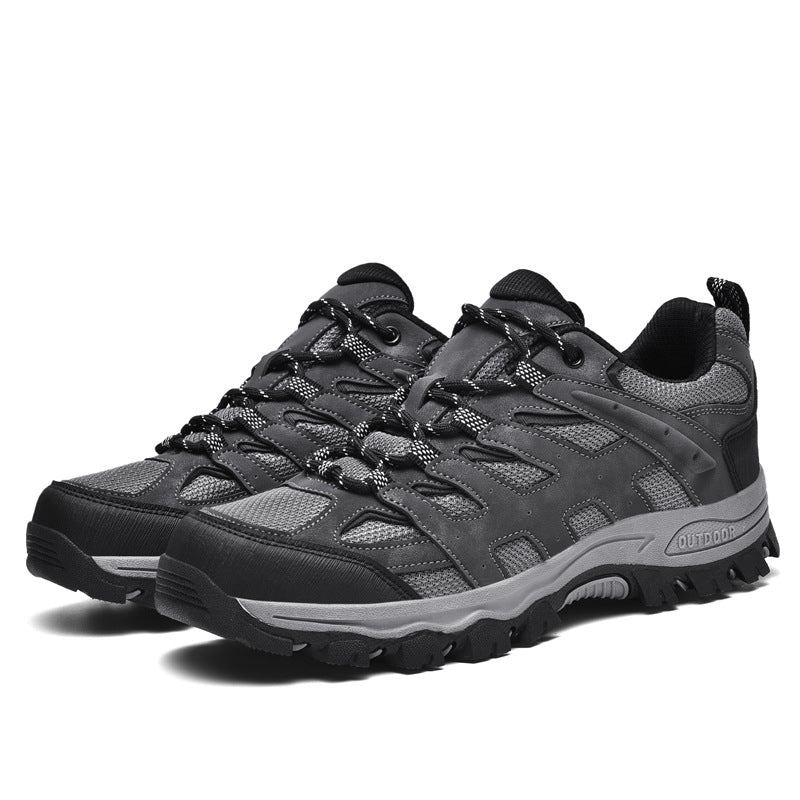
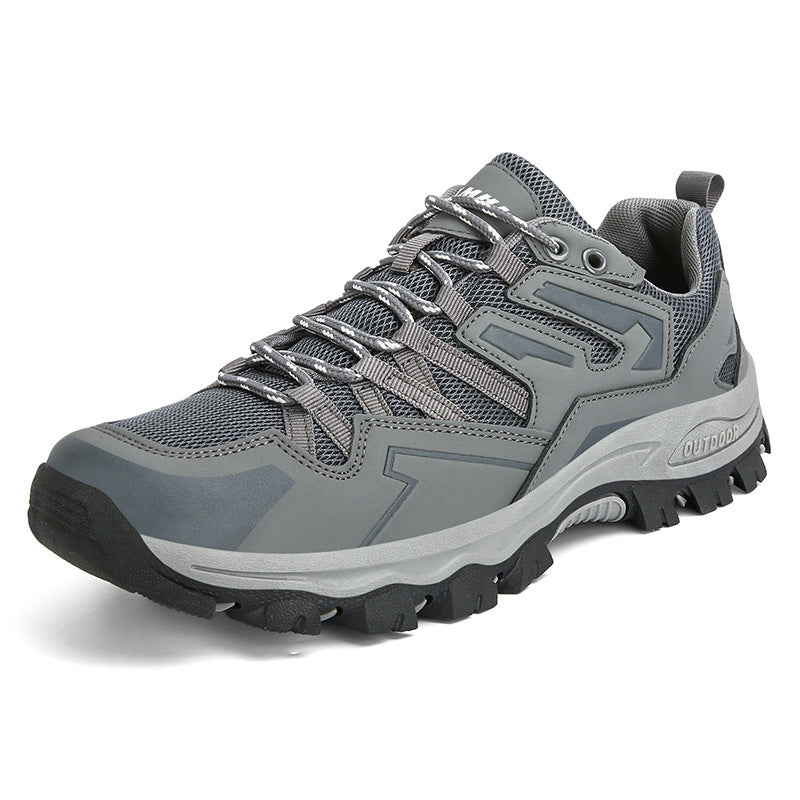
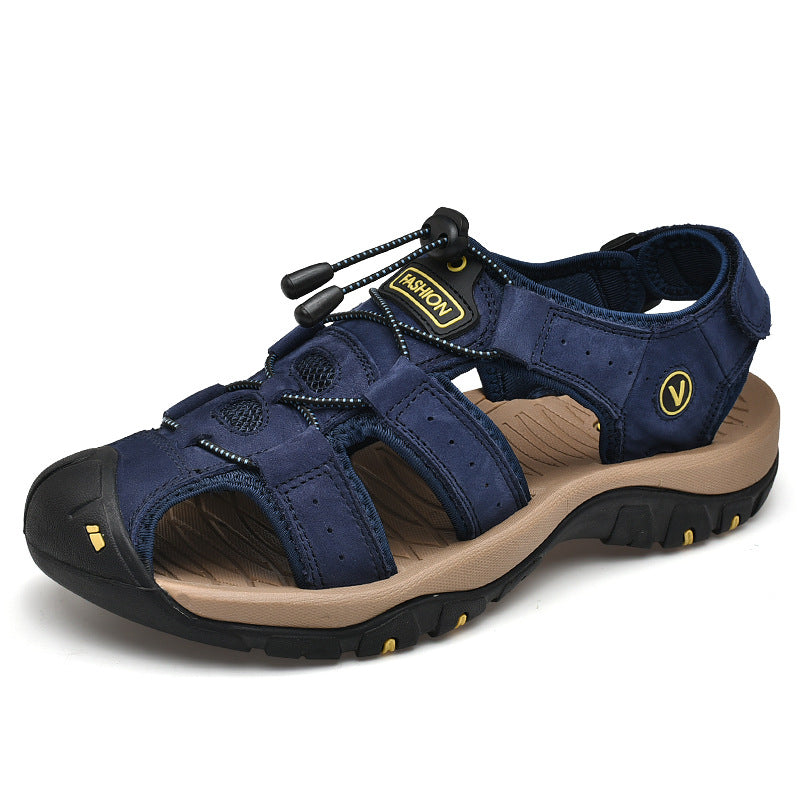
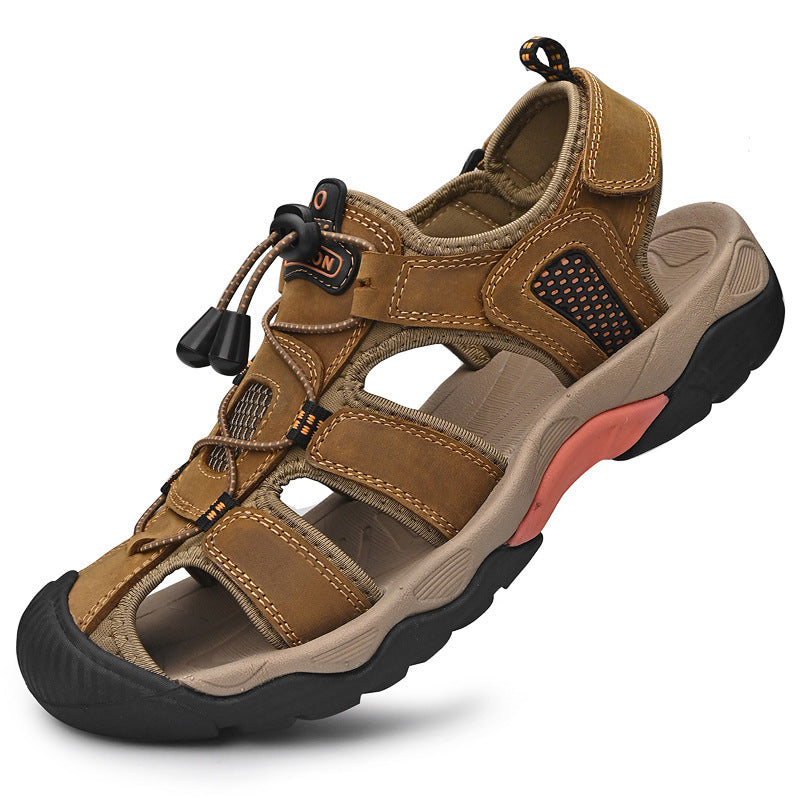
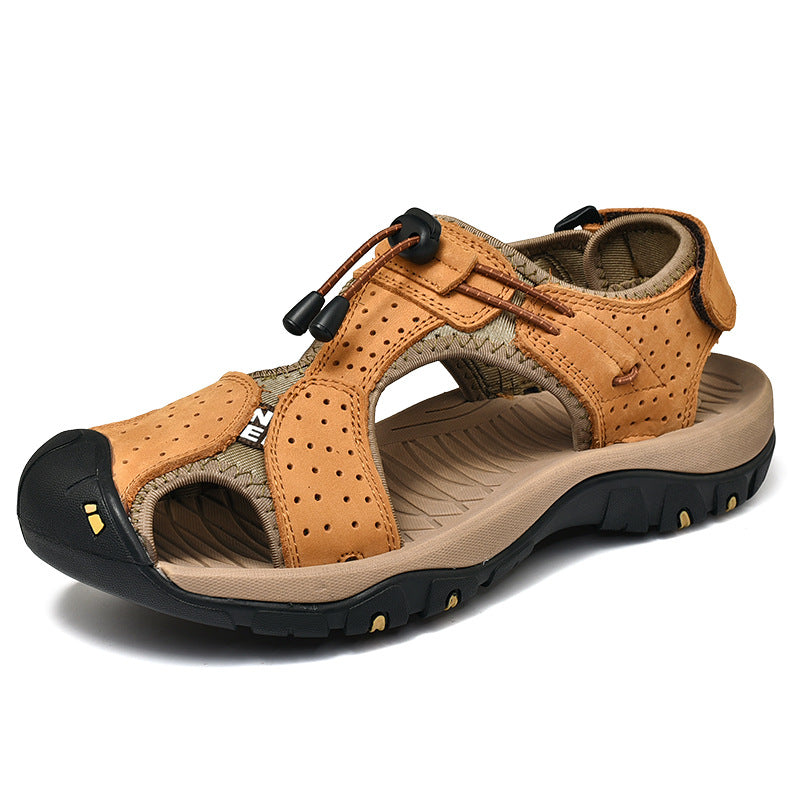
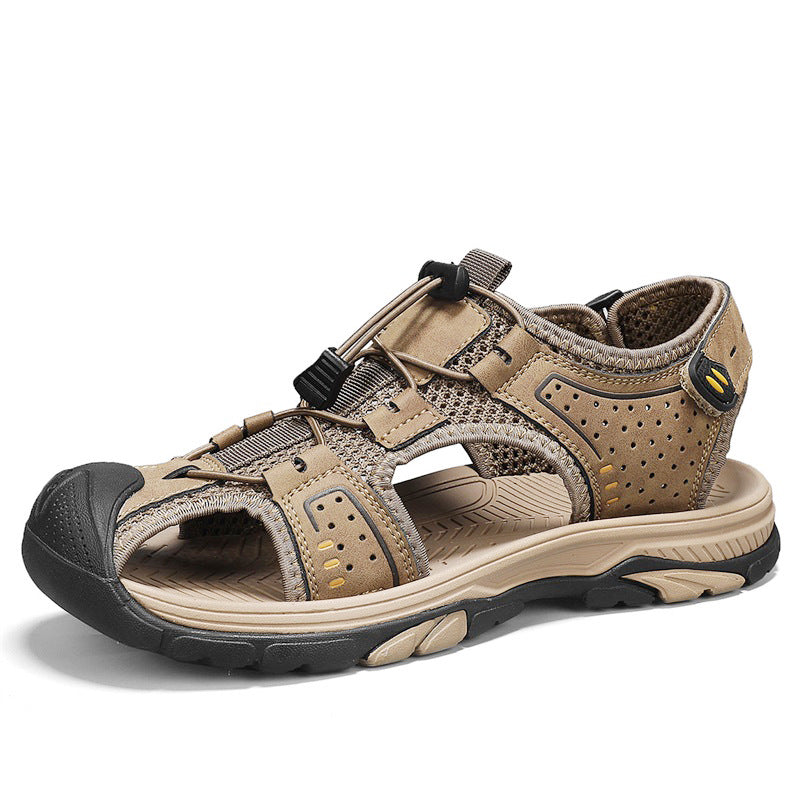
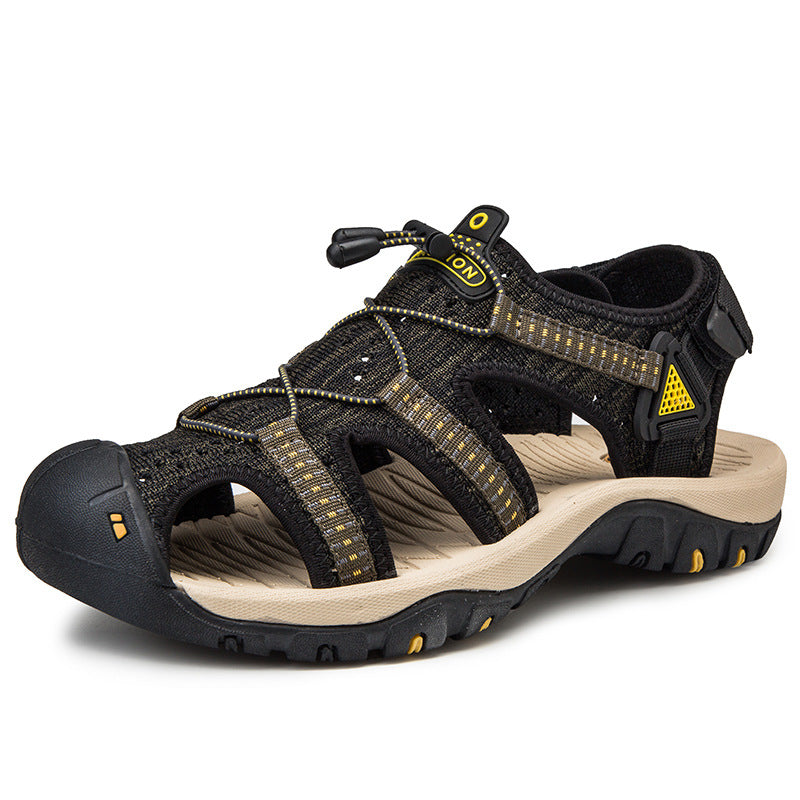
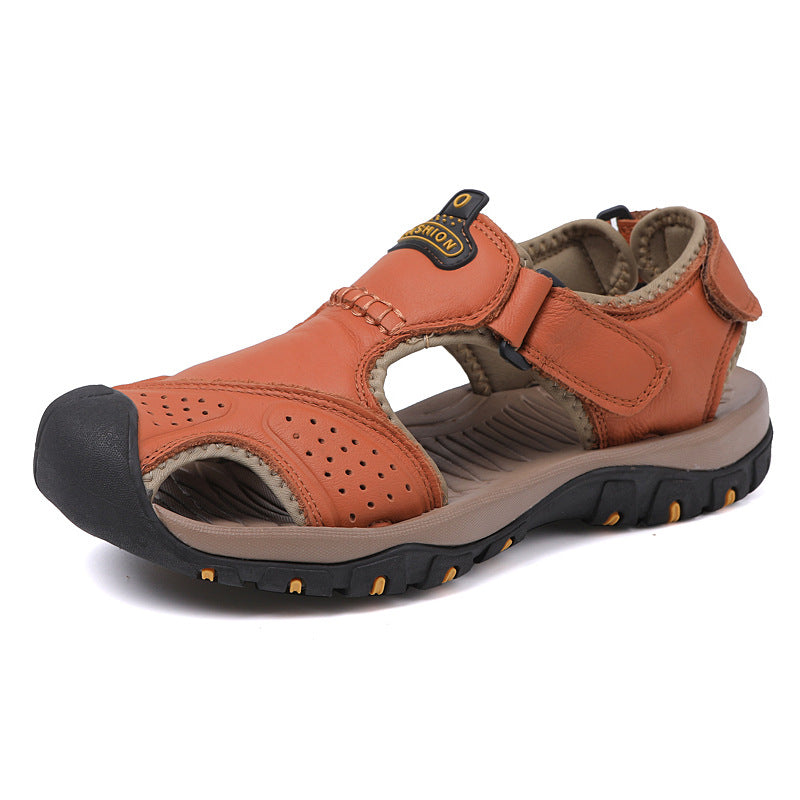
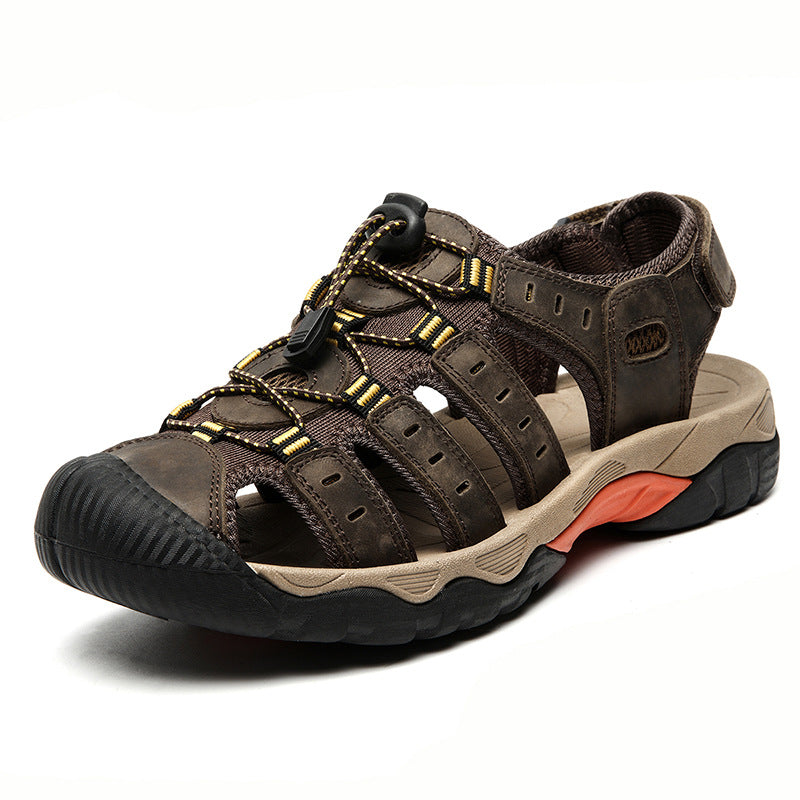
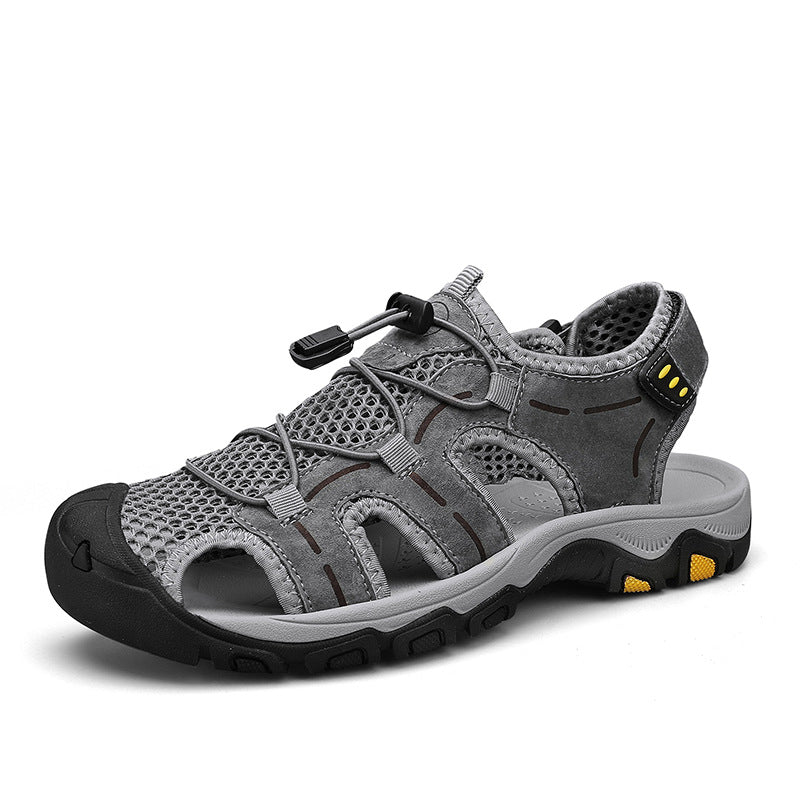
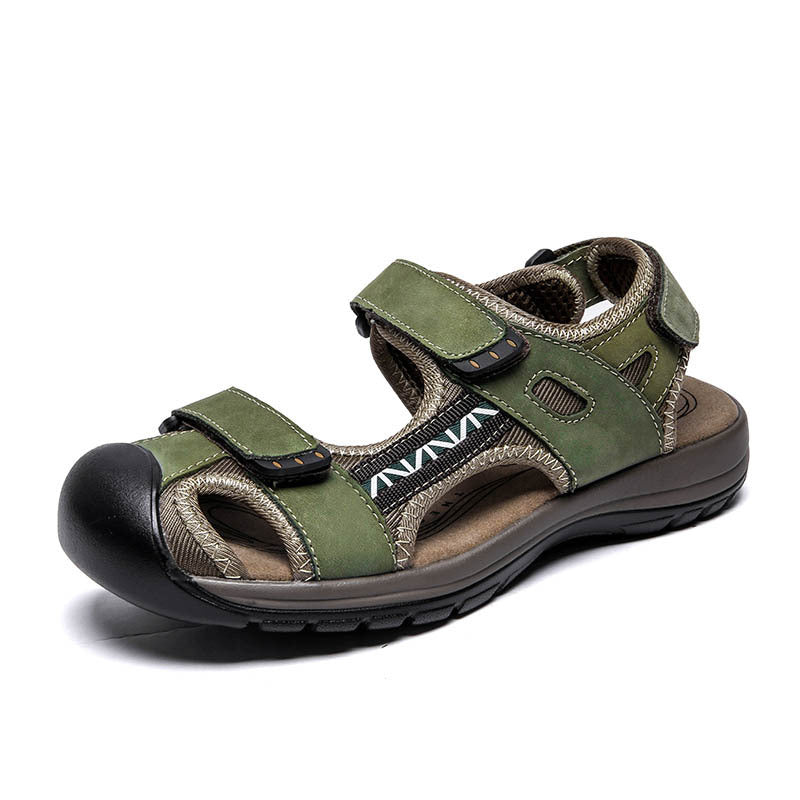
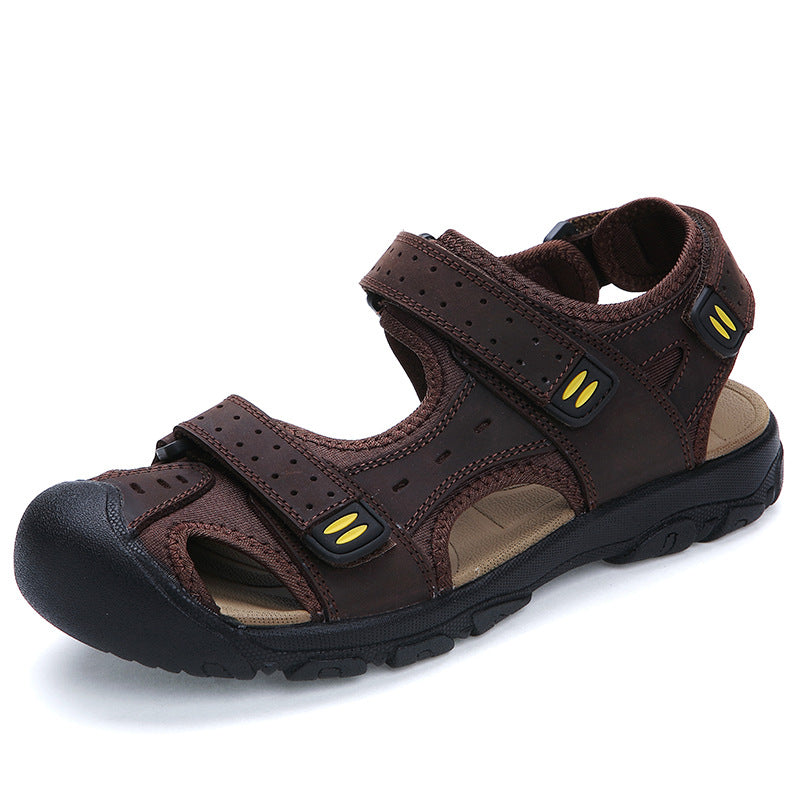
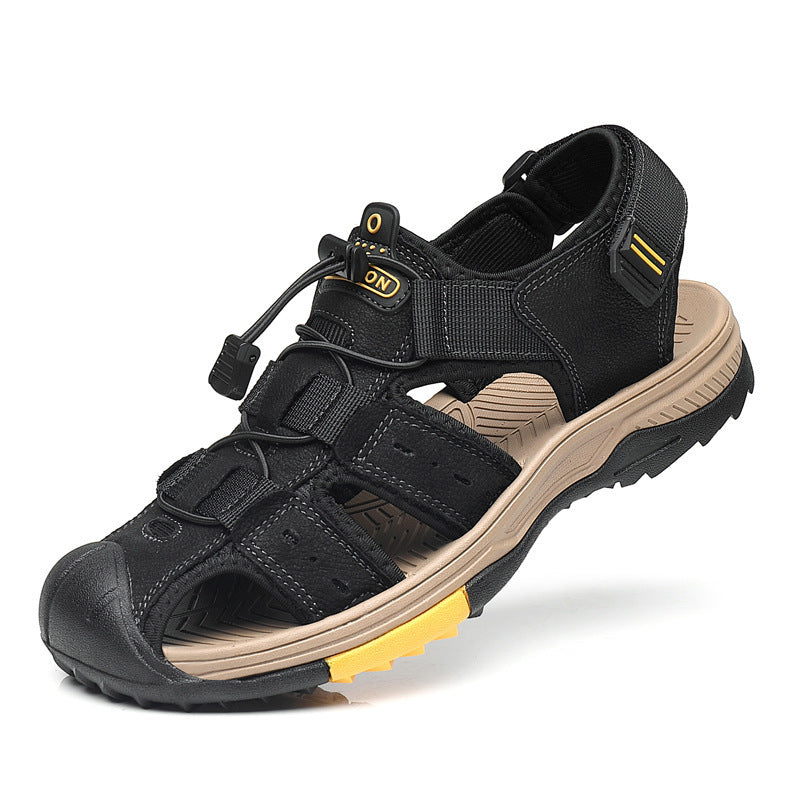
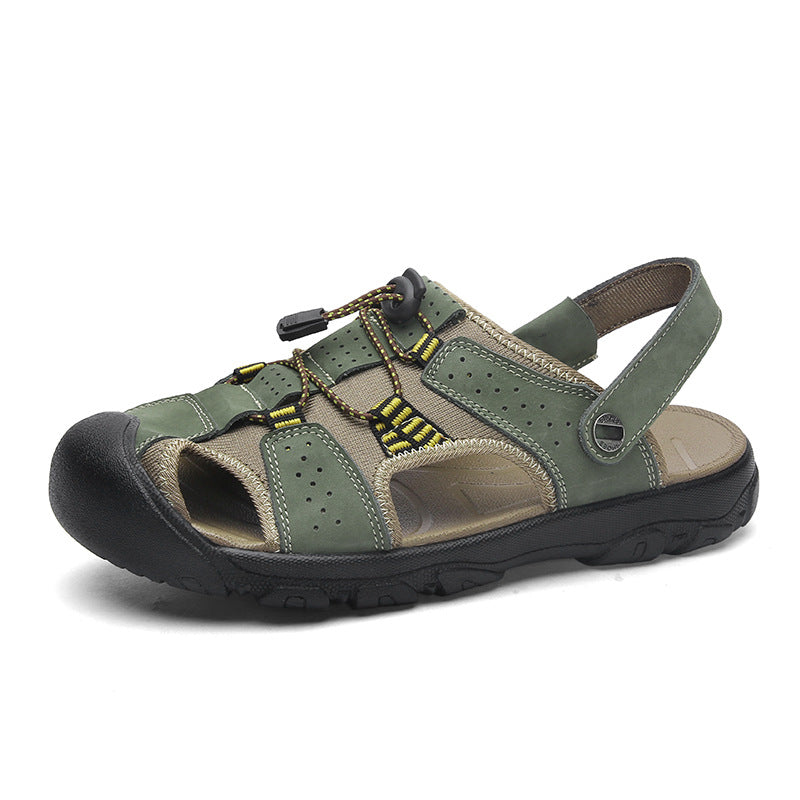
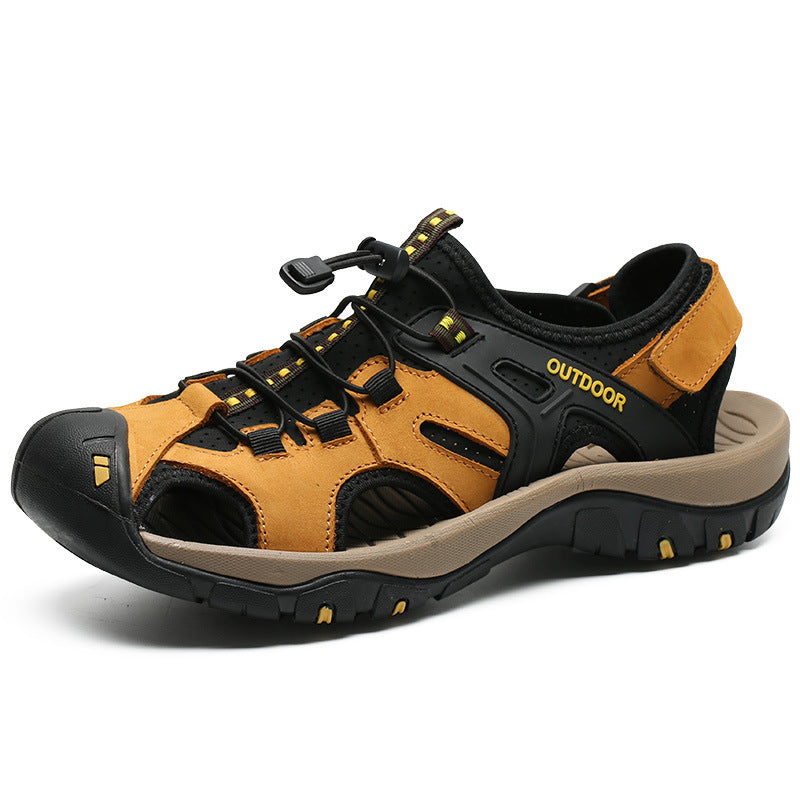
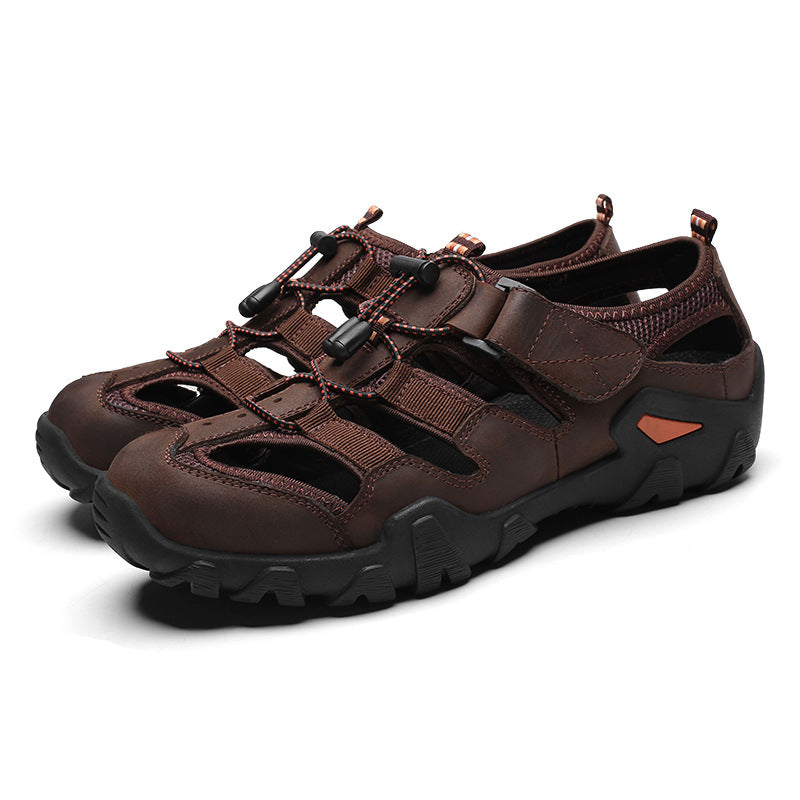
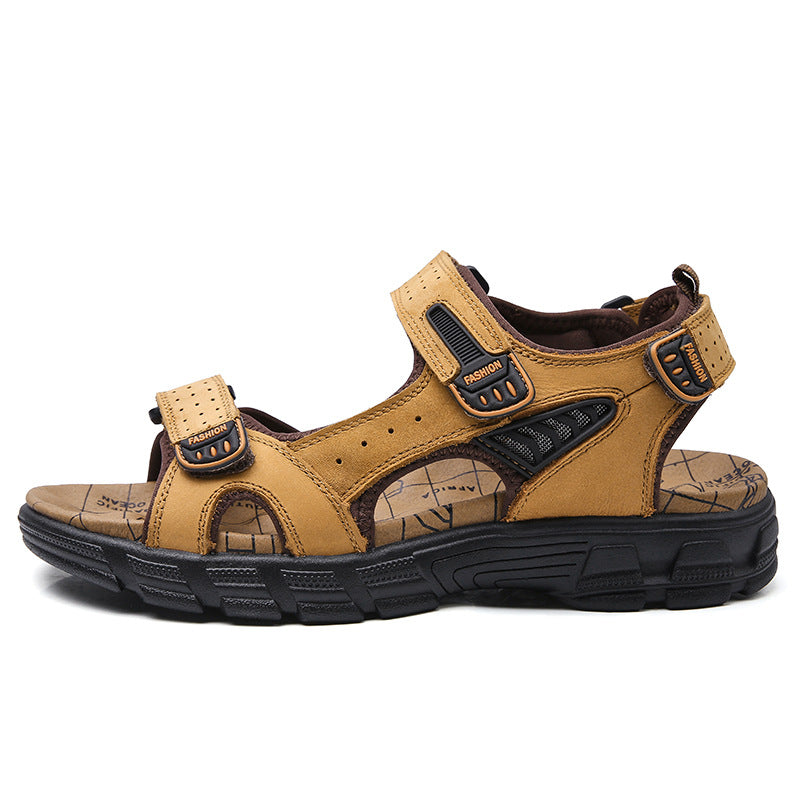
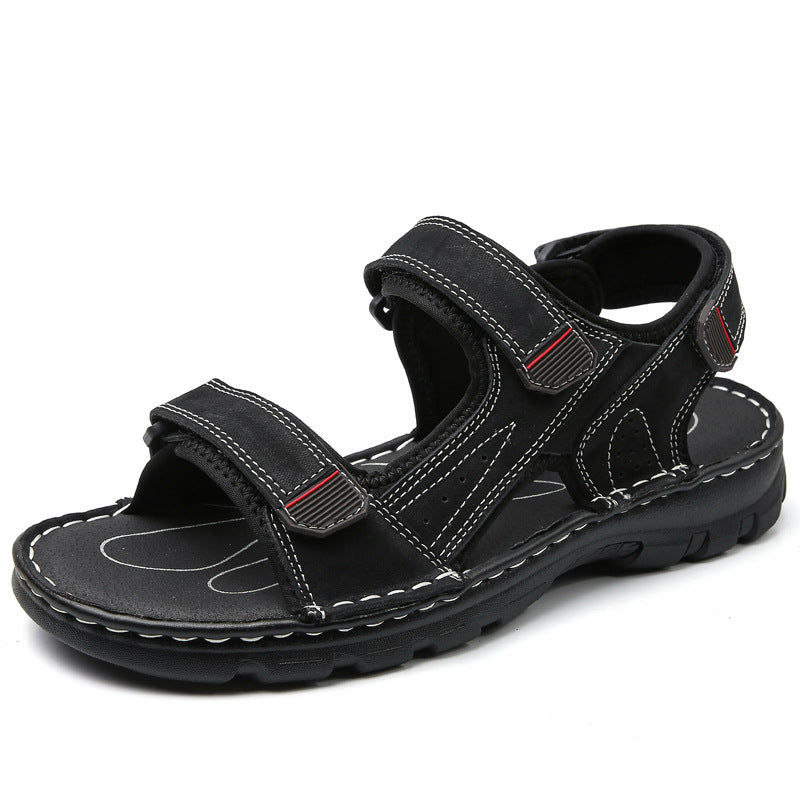
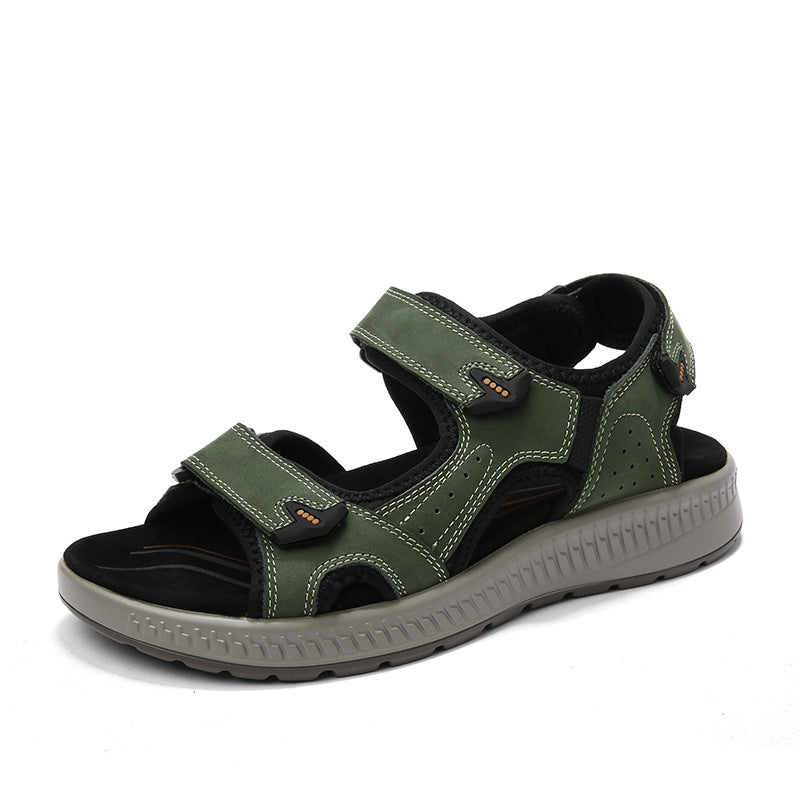
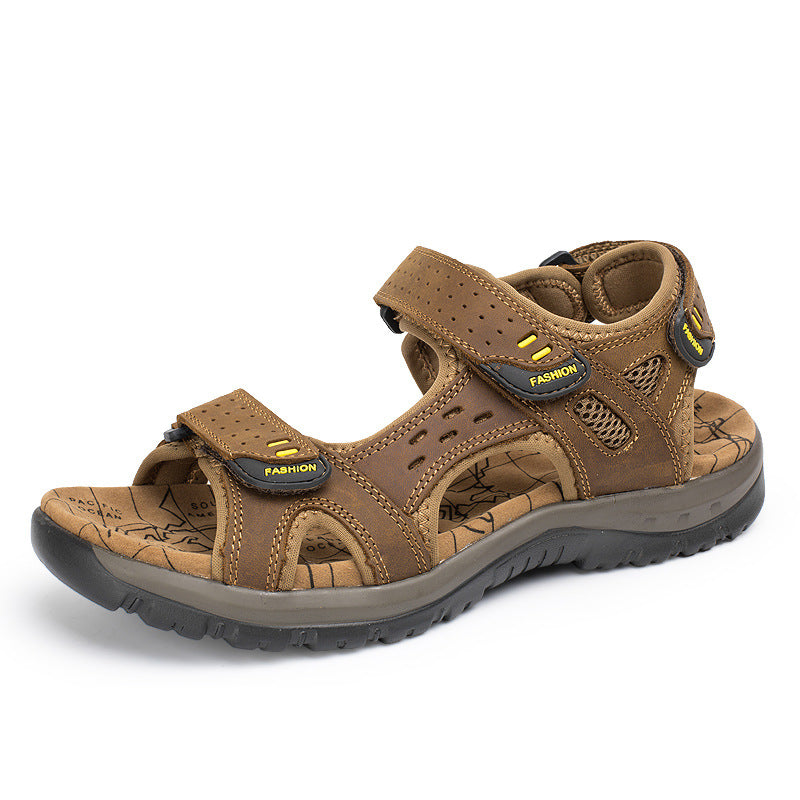
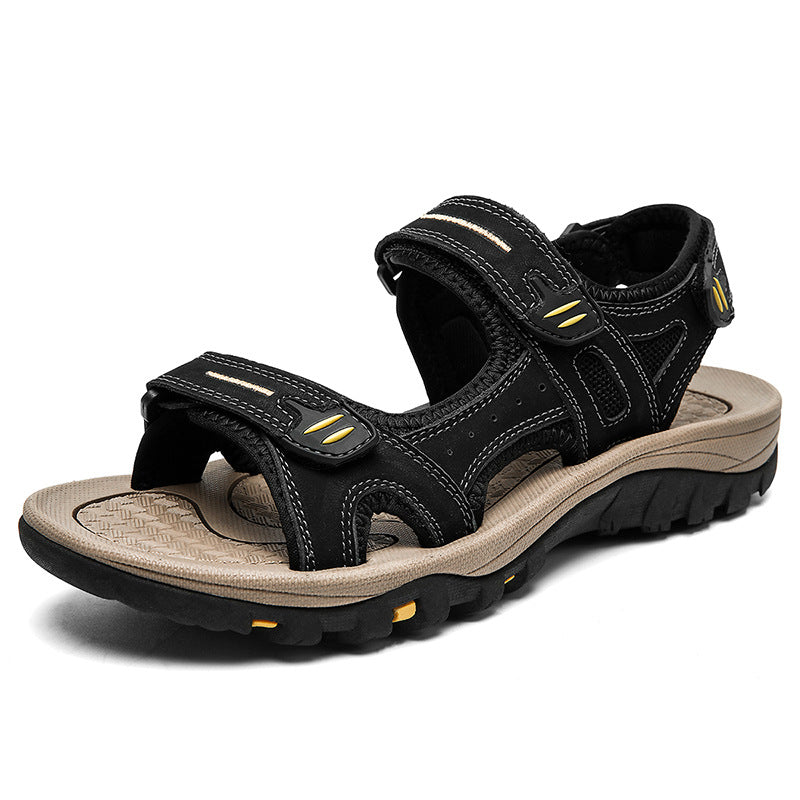
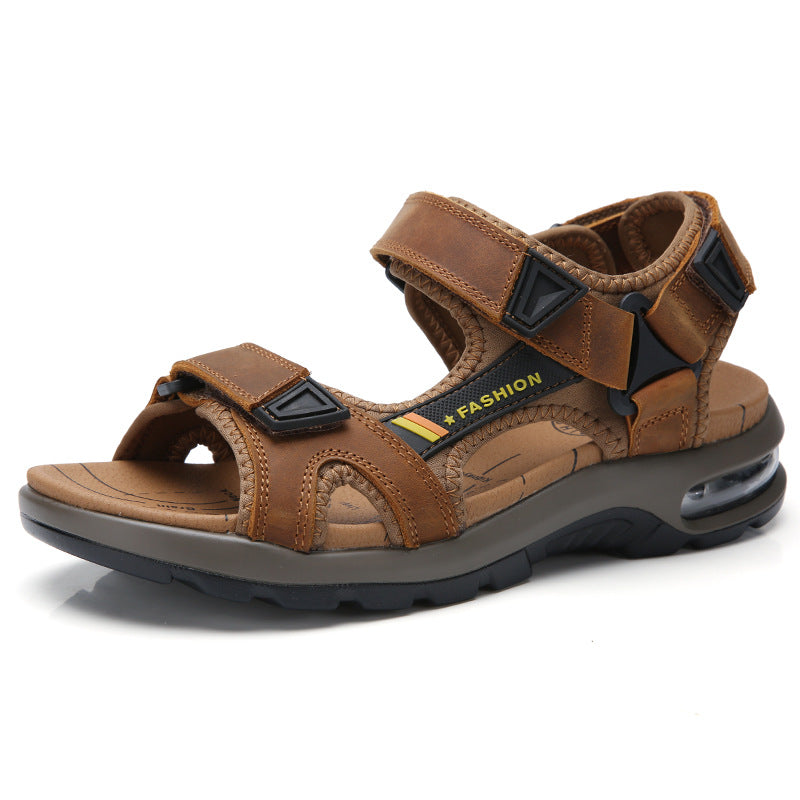
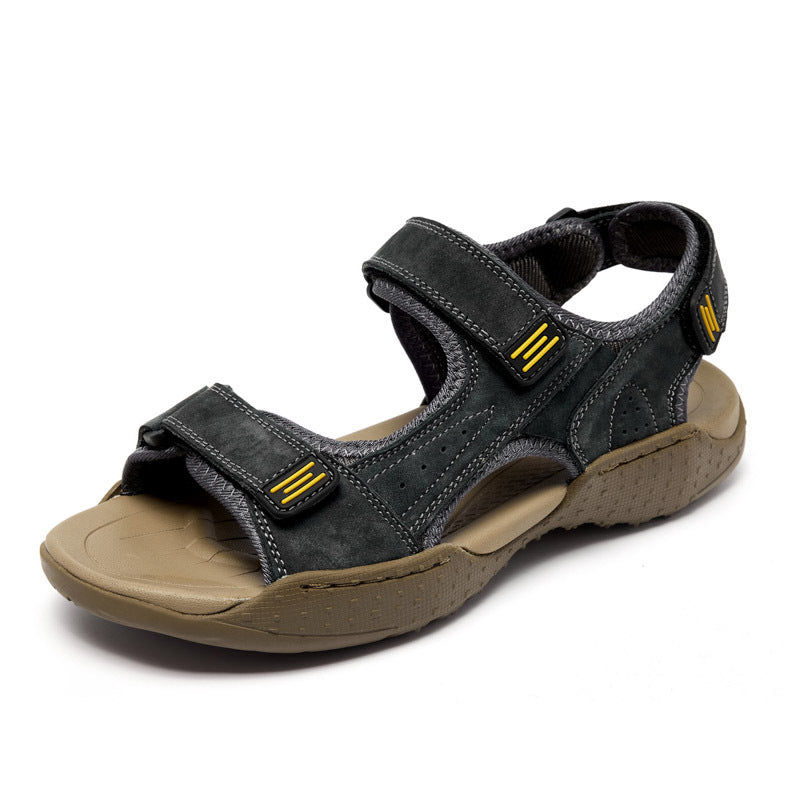
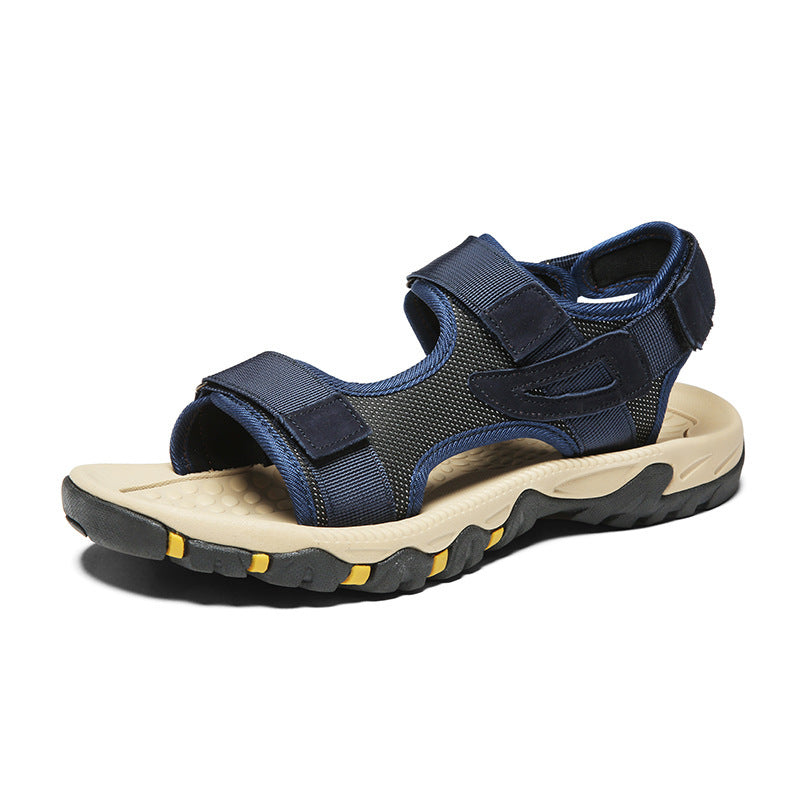
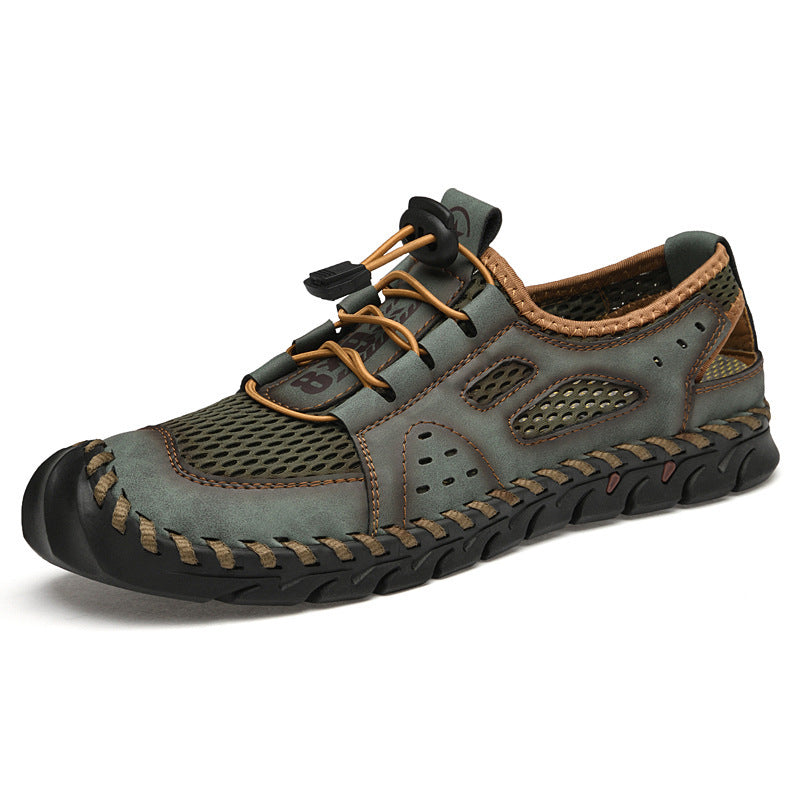
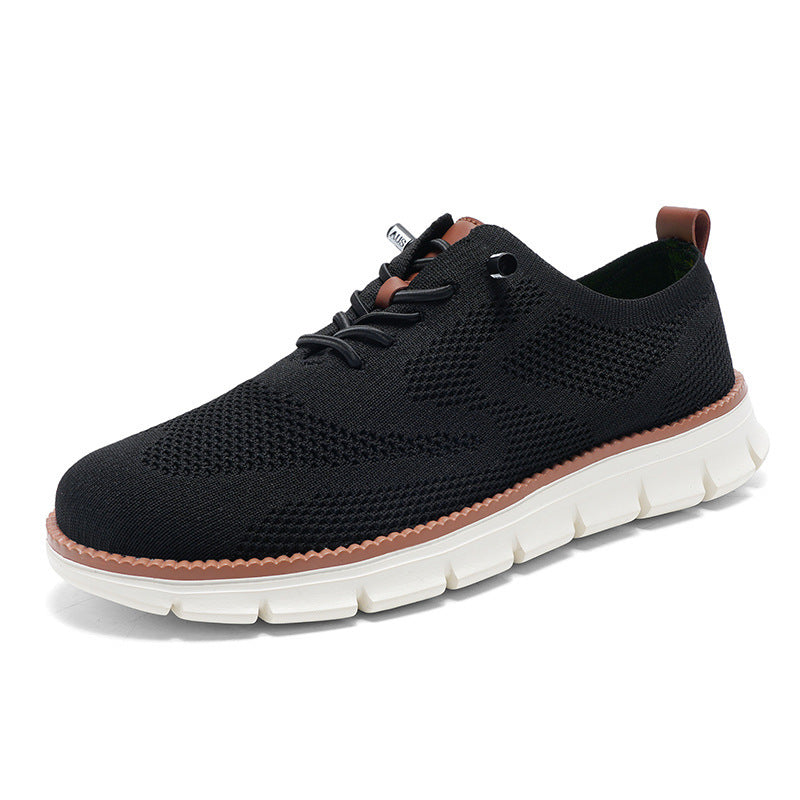
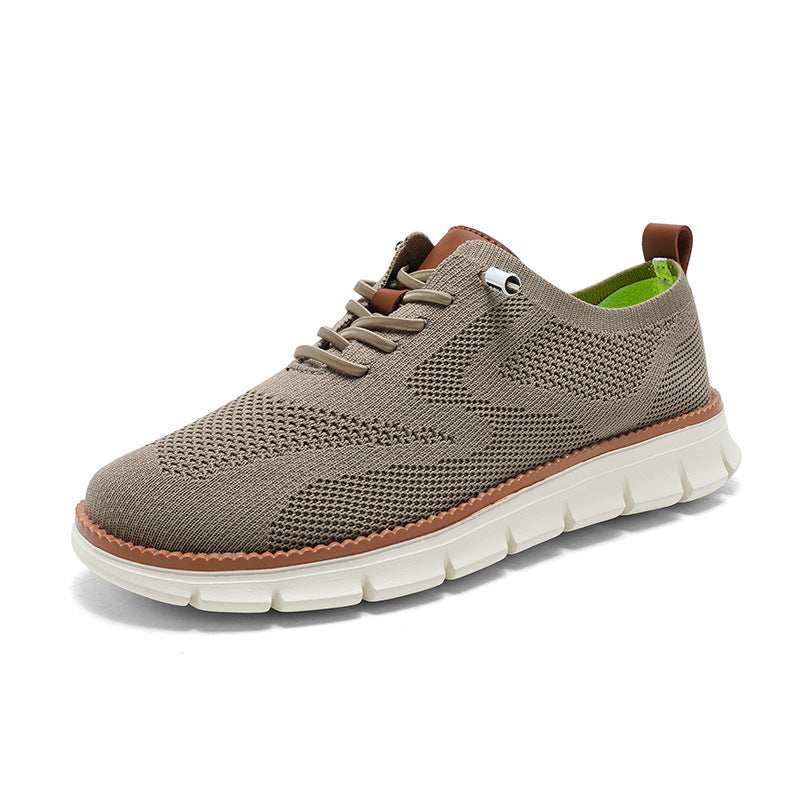
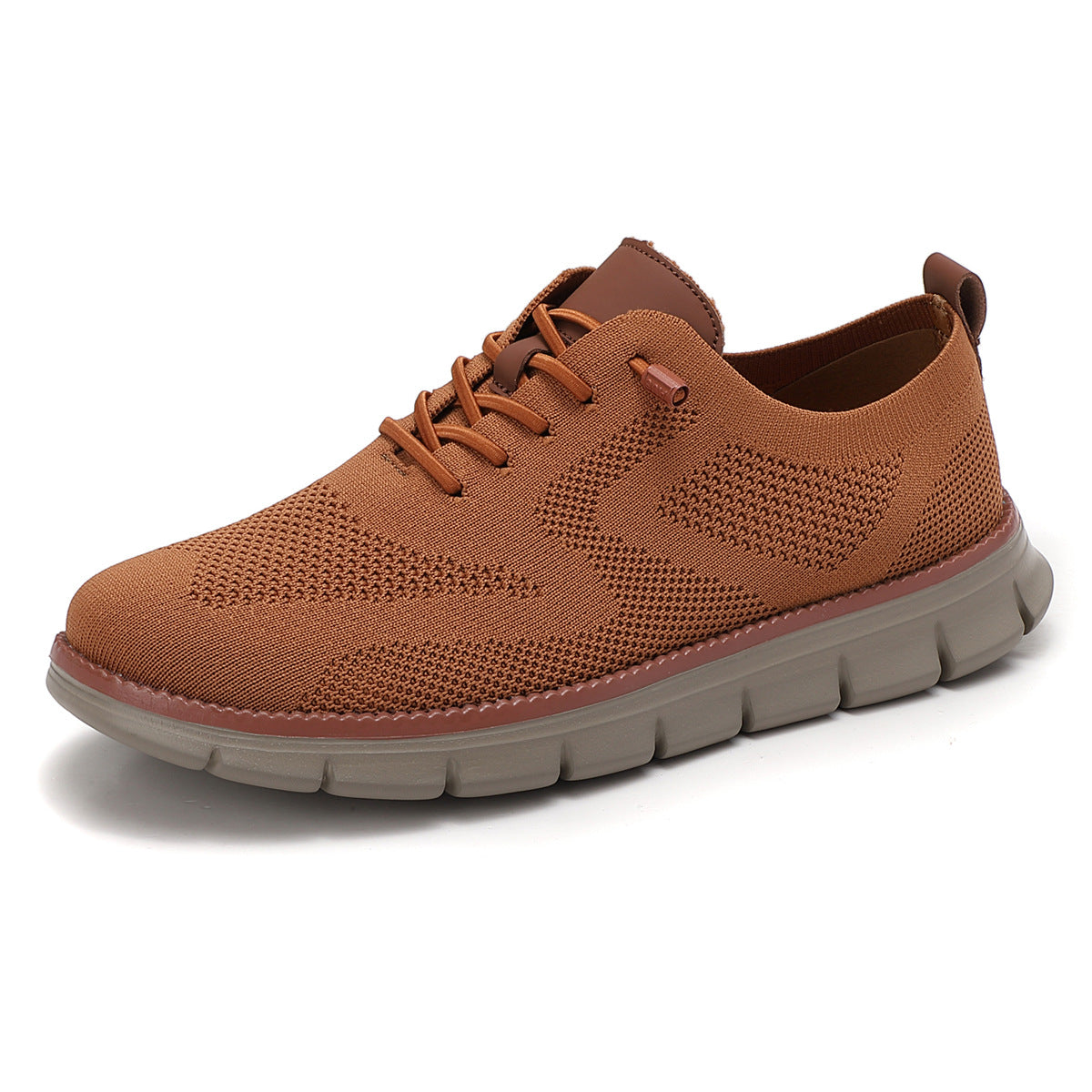
WildKing offers barefoot-style and outdoor footwear options, including quick-drying walking shoes, flexible outdoor designs, and all-terrain barefoot-inspired shoes.
These styles may appeal to people interested in a more flexible footwear experience for casual walking and selected outdoor activities.
When comparing products, examine their specific construction, sole design, sizing, and intended use.
Not every shoe within a barefoot product category necessarily has the same heel drop or level of flexibility.
Explore the WildKing Barefoot Shoes Collection to compare designs and find an option suited to your lifestyle.
Frequently Asked Questions
Are barefoot shoes healthy for your feet?
They may be appropriate for some people, but benefits depend on individual circumstances. Minimalist shoes are not automatically healthier than conventional footwear.
Can beginners wear barefoot shoes?
Yes, but beginners should transition gradually instead of immediately using them for long walks or demanding exercise.
Are barefoot shoes suitable for hiking?
Some are designed for selected hiking environments. Consider terrain, weather, outsole traction, and underfoot protection before using them on challenging trails.
Do barefoot shoes help strengthen feet?
Minimalist footwear can change muscle demands, and some research suggests potential strength-related benefits. Results vary, and a gradual transition is important.
Can barefoot shoes replace regular sneakers?
They can be an alternative for certain activities, but conventional sneakers may remain more comfortable or suitable for other situations.
Final Thoughts
Barefoot shoes offer a different approach to walking and outdoor footwear.
Their flexible designs, spacious toe boxes, and reduced cushioning may appeal to people looking for greater freedom of movement.
However, choosing the right footwear requires more than following a trend.
Consider your walking habits, physical comfort, trail conditions, and experience with minimalist shoes.
Discover WildKing's barefoot-style footwear collection and explore a more flexible approach to everyday movement.
